







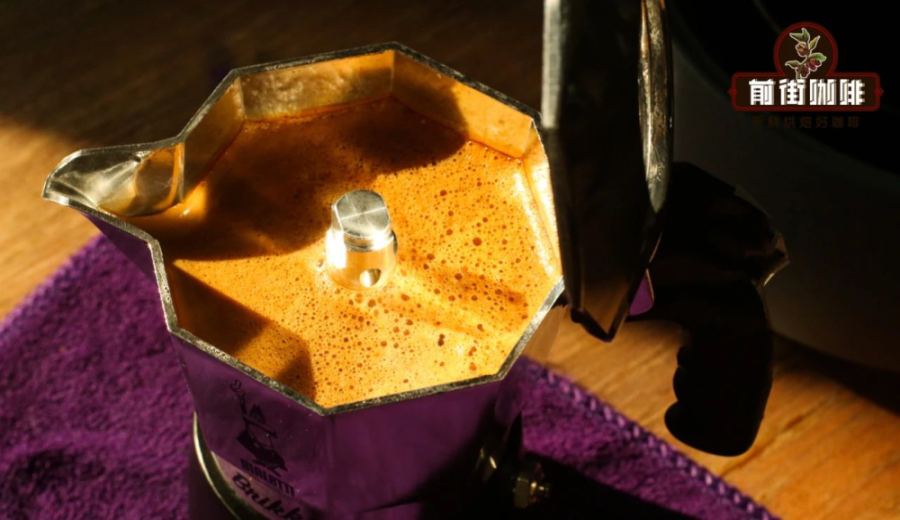
Introduction:The Moka pot is the first step for many home coffee enthusiasts venturing into the world of espresso-style coffee. Simple to operate yet capable of producing a rich, espresso-like flavor, this guide details the Moka pot’s working principle, the differences between single and double valve models, optimal coffee-to-water ratios, grind size, water temperature control, and provides practical brewing steps and precautions. This will help you use it correctly to brew a cup of Moka coffee with thick crema and prominent flavors.
The Moka pot is a widely popular home espresso brewing device. Known for its ease of use and intense extraction, it has become the go-to choice for many beginners. This Italian design, originating in 1933 and invented by Alfonso Bialetti, uses steam pressure to push hot water through ground coffee, extracting a richly flavored coffee liquid.
Understanding how the Moka pot works is the first step to brewing great coffee. It consists of two chambers: the lower chamber holds water that is heated, turning into steam. The resulting pressure pushes the water upward through a middle filter filled with coffee grounds, and into the upper chamber where it becomes coffee. When you see coffee starting to flow out of the upper chamber, it's advisable to reduce the heat to prevent over-extraction due to excessive heat, which can result in burnt, bitter flavors. This steam extraction principle shares similarities with the Japanese siphon (sai-feng) brewing method.
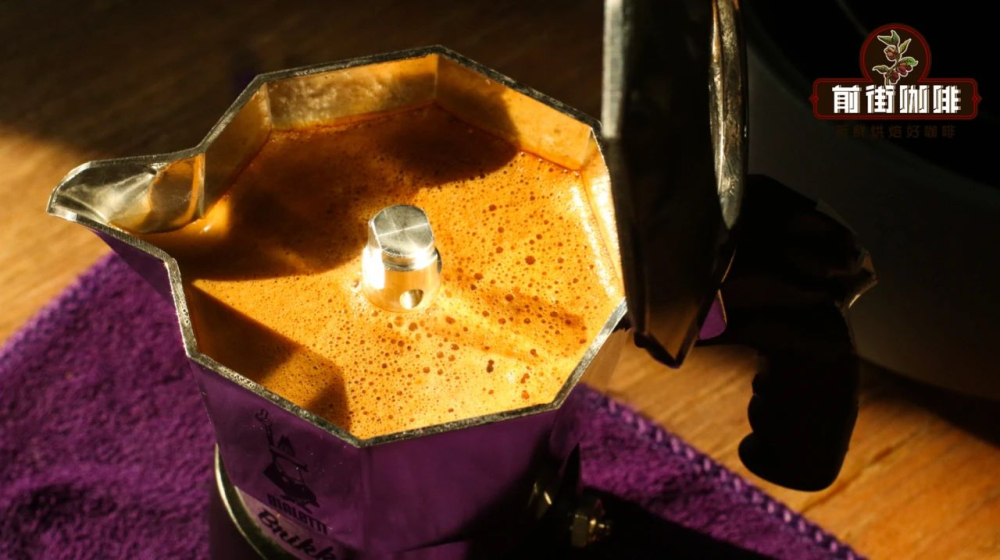
Depending on design, Moka pots come in two types: single valve and double valve. The single valve Moka pot has only one outlet hole at the top of the tube, making it suitable for general home use, though it produces relatively less crema. The double valve Moka pot features an additional pressure valve on the hollow tube, which only opens when a certain level of steam pressure is reached, thus extracting more crema and a richer, more intense flavor—ideal for users seeking a higher level of taste complexity.
In terms of grind size, the Moka pot recommends a medium to fine grind, approximately 0.3 to 0.55 mm — finer than pour over but slightly coarser than that used in professional espresso machines. If the grind is too coarse, water flows through too quickly, leading to under-extraction, resulting in a thin, watery coffee with little crema. Conversely, if the grind is too fine, water flow is restricted, not only lengthening extraction time but also risking over-extraction, burnt bitterness, and slow dripping. If you hear a low “wuu wuu” sound and the coffee is not rising, it indicates the grind is too fine—you should immediately turn off the heat and remove it from the heat source.
Regarding water temperature, it is recommended to use near-boiling water, approximately 90°C to 96°C. Using cold or room-temperature water will cause uneven extraction during the gradual heating process, negatively affecting overall flavor. Ideally, pour in hot water after assembling the Moka pot to avoid exposing the coffee grounds to excessively low temperatures, ensuring effective flavor release right from the start of extraction.
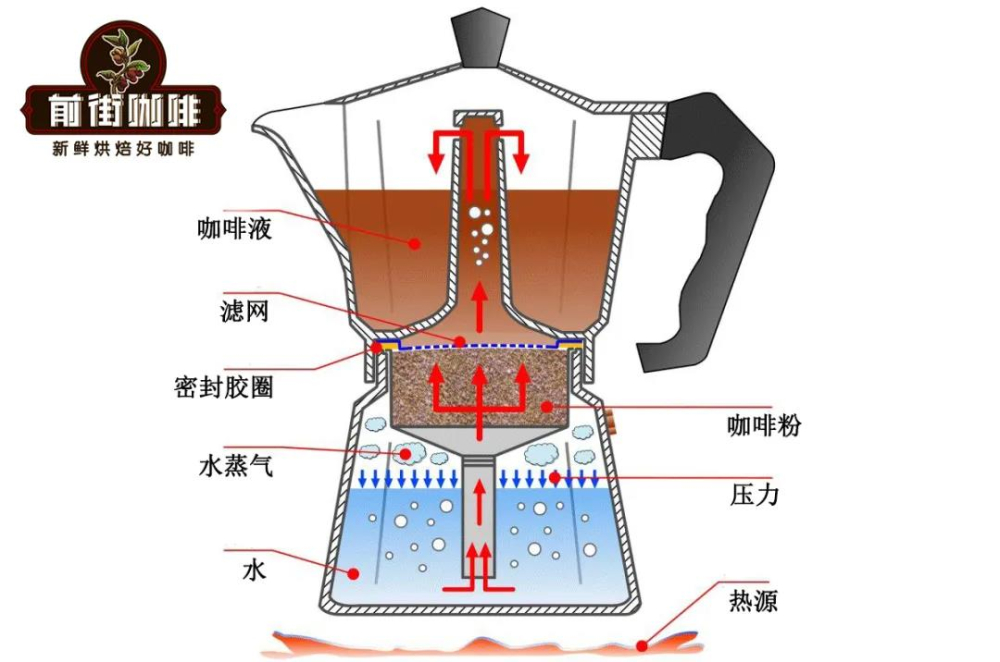
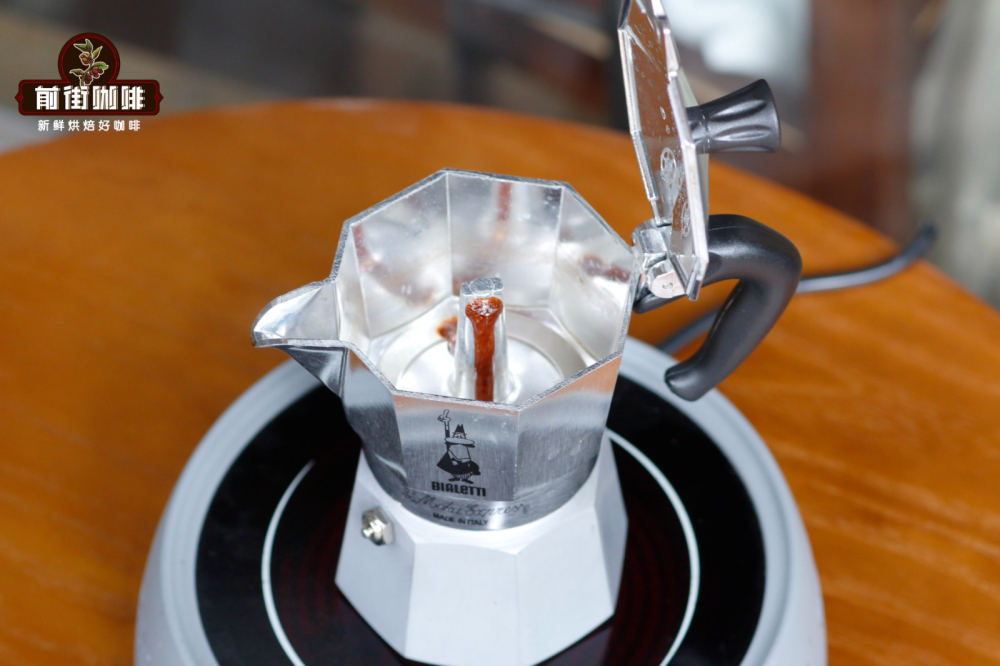
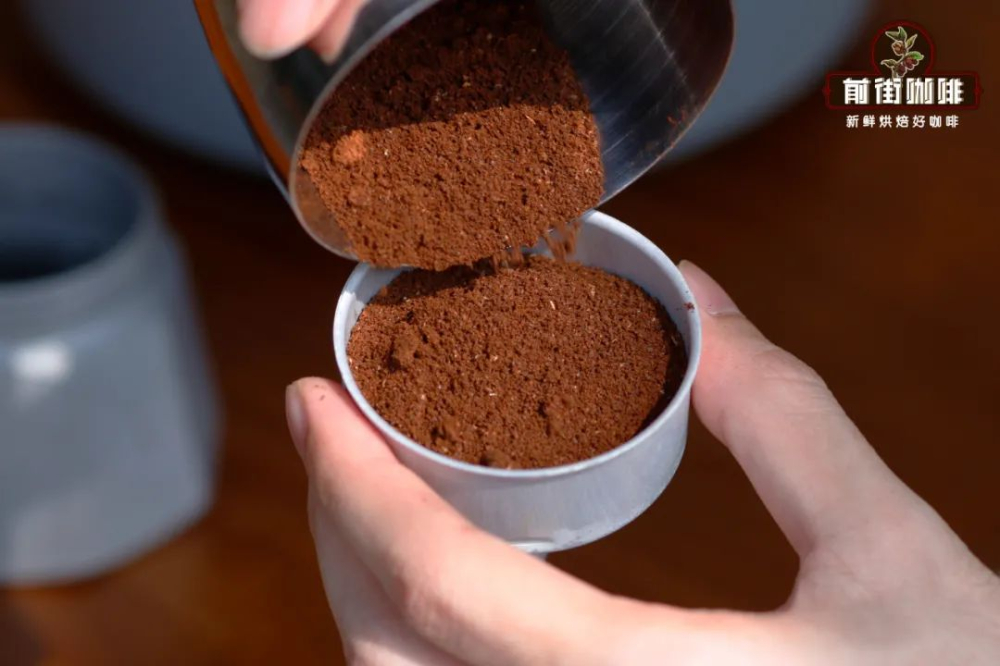
In practice, the brewing steps for the Moka pot are very straightforward: first, add hot water to the lower chamber — be sure not to exceed the pressure relief valve level to maintain safety. Then, fill the coffee chamber with medium-fine ground coffee, leveling it gently without tamping (unless using specific pressure-reducing techniques). After assembling the upper and lower chambers and ensuring they’re tightly screwed together, heat over medium-low heat. Once coffee starts flowing steadily from the upper chamber, immediately remove it from the heat to prevent over-extraction.
Additionally, there are several details worth noting: do not tamp the coffee grounds too firmly, as excessive compression increases resistance to water flow; the filter screen should not extend beyond the coffee grounds surface to avoid steam pressure leakage; if brewing a small amount of coffee in a larger pot, a pressure relief disc can help control the coffee quantity and extraction pressure. Brewing time also affects flavor — lighter roasts can have a slightly extended contact time, while darker roasts are best poured out immediately after brewing to avoid over-extraction.
When using a Moka pot, there are several common mistakes to avoid: for example, adding too much water beyond the pressure relief valve in pursuit of more coffee may prevent pressure release and pose an explosion risk; the lower chamber’s pressure relief valve is a crucial safety feature and must never be submerged by coffee grounds or water. For cleaning, allow the pot to cool after each use, then disassemble and clean the filter and pot body. Be sure to dry thoroughly to prevent mineral deposits and hard water stains from accumulating, which could affect appearance and performance over time. Aluminum pots should not be placed in dishwashers; air drying is recommended.
As for coffee bean selection, the Moka pot works well with medium to dark roasted beans. These beans typically contain abundant carbon dioxide, which helps form crema, resulting in a richer flavor and smoother body. Lighter roasts, with less fermentation and lower carbon dioxide content, are less likely to produce thick crema and are not recommended as a first choice.
Many coffee enthusiasts recommend using espresso blends, which typically combine beans from different origins. These blends retain layered flavors while offering stable extraction performance. Medium to dark roasted blends often carry notes of chocolate, caramel, nuts, and spices, complementing the Moka pot’s intense extraction and fully showcasing the layers and rich body of the coffee.
When brewing with a Moka pot, it’s recommended to use freshly roasted coffee beans for the best flavor. Generally, the optimal flavor window is 4 to 7 days post-roast, when the beans’ characteristics are most vibrant. If purchasing pre-ground coffee, though usable immediately, note that oxidation accelerates upon exposure to air — try to brew as soon as possible to preserve aroma and delicate flavor notes.
In summary, the Moka pot is a home coffee brewing tool that combines ease of use with great flavor expression. By mastering the correct coffee-to-water ratio, grind size, water temperature, and brewing techniques, you can easily brew rich, crema-laden coffee at home. Whether for daily enjoyment or exploring diverse coffee flavors, the Moka pot is an excellent and highly potential entry-level option.
The above content is compiled by CoffeeHunters, a coffee news website.


