







Introduction:Geisha coffee has carved out a unique niche in the global specialty coffee scene for its distinctive floral aroma and bright fruity acidity, but its journey from an Ethiopian wild variety to the world’s top coffee stage is a story worth telling. This article will take you deep into the background of the Geisha variety, explore the characteristics of its major producing regions, analyze the grading system of the various lots at Panama’s Hacienda La Esmeralda, and provide practical pour over recommendations and parameters—helping you master every aspect of this classic coffee, from bean selection to brewing.
Geisha (Geisha) coffee beans are renowned for their delicate floral notes, citrus and berry profiles, as well as their bright acidity and layered complexity. However, this variety, now hailed as one of the finest in specialty coffee, originally started as an unremarkable coffee tree in Ethiopia’s Geisha Forest. With tall plants, slender leaves, strong resistance to disease, but relatively low yield, it was long overlooked—even used as a windbreak. It wasn’t until the mid-to-late 20th century, after being introduced to several countries, that it finally rose to fame at Panama’s Hacienda La Esmeralda, becoming the dream coffee for enthusiasts around the world.
Geisha was first discovered in 1931 in the forests near the village of Geisha in southwestern Ethiopia. Initially, it received little attention and was even planted as a windbreak. It wasn’t until 1936 that it was introduced to Kenya, then gradually spread to Uganda, Tanzania, and Costa Rica, only arriving in Panama in the 1970s. In 2004, Hacienda La Esmeralda entered a Geisha coffee into the Best of Panama (BOP) competition and won the championship, forever changing the fate of Geisha and cementing its status in the specialty coffee world.
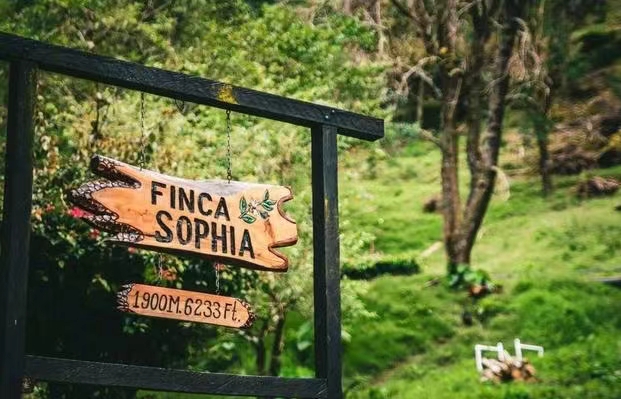
The reason why Geisha’s flavor is so captivating lies in its extreme sensitivity to growing conditions. It requires high altitudes, cloud cover and shade, ample shade trees, and fertile soil to produce that unique cocktail-like fruitiness and tea-like aftertaste. Geisha grown at high altitudes often exhibits finer acidity and richer layers, with cooler temperatures enhancing clarity in flavor complexity. This is one of the key reasons why Boquete in Panama has become a sacred land for Geisha.
Panama is located at the southern tip of Central America, within a tropical maritime climate zone characterized by significant day-night temperature variations, mountainous terrain, and diverse microclimates—all of which contribute to varied coffee flavors. Among them, the Boquete region in Chiriquí Province is especially suited for Geisha cultivation. Nestled at the foot of the Barú Volcano, the area sits between 1400 and 1900 meters above sea level, boasting fertile volcanic soils and a cool climate, making it one of Panama’s premier specialty coffee regions.
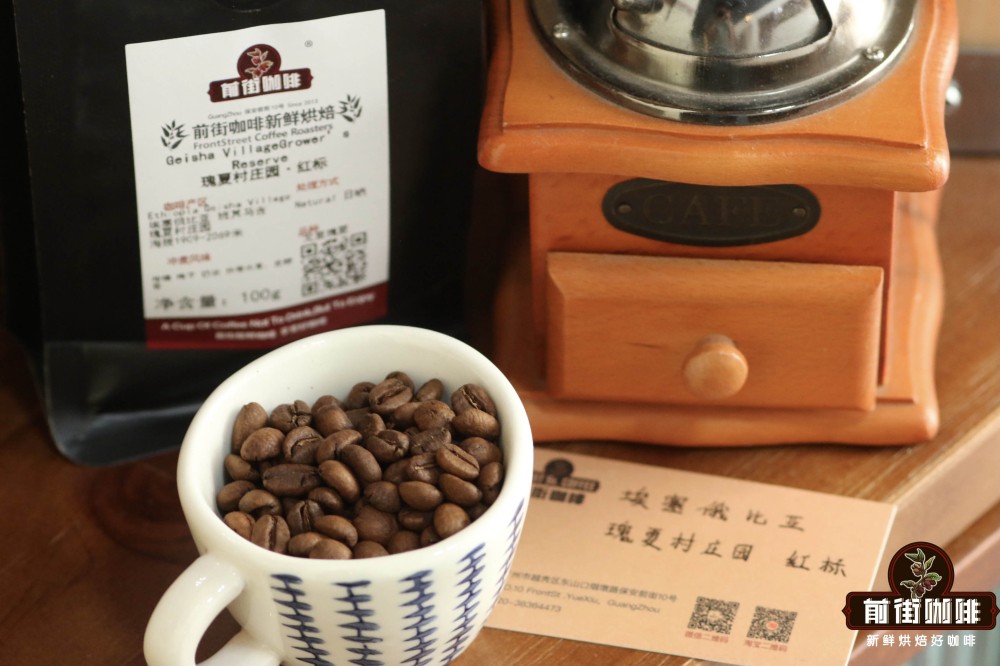
Among the many outstanding farms in Boquete, Hacienda La Esmeralda Estate is undoubtedly the most renowned cultivator of Geisha. The estate divides its production areas into multiple brands based on altitude, microclimate, cupping scores, and variety. Geisha-related offerings include Esmeralda Special, Private Collection, and the now-discontinued Geisha 1500 (Blue Label). Esmeralda Special, also known as the widely recognized Red Label Geisha, typically comes from two main lots—Jaramillo and Canas Verdes—with cupping scores often exceeding 90. Processed via washed or natural methods, it showcases exceptional floral and citrus notes.
The Green Label (i.e., Private Collection) consists of micro-lots of Geisha that, while not entered into auctions, are still of premium quality. These beans also come from high-altitude regions, offering similar flavor profiles but at more accessible price points, and are available in both washed and natural processes. It’s important to note that starting in 2021, the Blue Label lots have been officially discontinued and are no longer produced.
Beyond Hacienda La Esmeralda, Panama’s Geisha Flower Butterfly is also an excellent choice with great value. This blend combines Geisha with Caturra and Catuai, grown at 1600 meters in the Barú Volcano region of Boquete, and processed using the washed method. The volcanic soil and significant day-night temperature differences give it a full body and refined floral notes, making it ideal for coffee lovers who enjoy diverse flavors without opting for high-priced Geisha. Additionally, Elida Estate has repeatedly won BOP awards, and its Geisha coffee—thanks to high altitude and special processing—offers more complex layers and aftertastes, making it a solid option for advanced drinkers.
For roasting Geisha, a medium-light roast is recommended to preserve its inherent acidity and fruity-floral aromas, while avoiding over-roasting that could mask its delicate characteristics. Given that Geisha beans are relatively hard, brewing requires slightly higher water temperature and grind size to effectively enhance extraction and bring out the full flavor profile.
For pour over, it is recommended to use a V60 dripper, with water temperature controlled between 91–92°C and a brew ratio of 1:15. Grind size should be roughly that of fine sugar (approximately 80% through a #20 sieve). The V60’s design helps ensure stable extraction and flow control, allowing the citrus, bergamot, honey, and green tea layers of Geisha to shine more clearly.
In summary, Geisha coffee is not only unique in flavor—the story behind its varietal evolution and cultivation is equally fascinating. From the forests of Ethiopia to the highlands of Panama, and then into your cup, every step is filled with immense effort and nature’s gifts. Whether you’re just starting out or are a seasoned coffee enthusiast, delving into the world of Geisha can add depth and enjoyment to your coffee experience.
The above content is compiled by CoffeeHunters, a coffee news website.


