







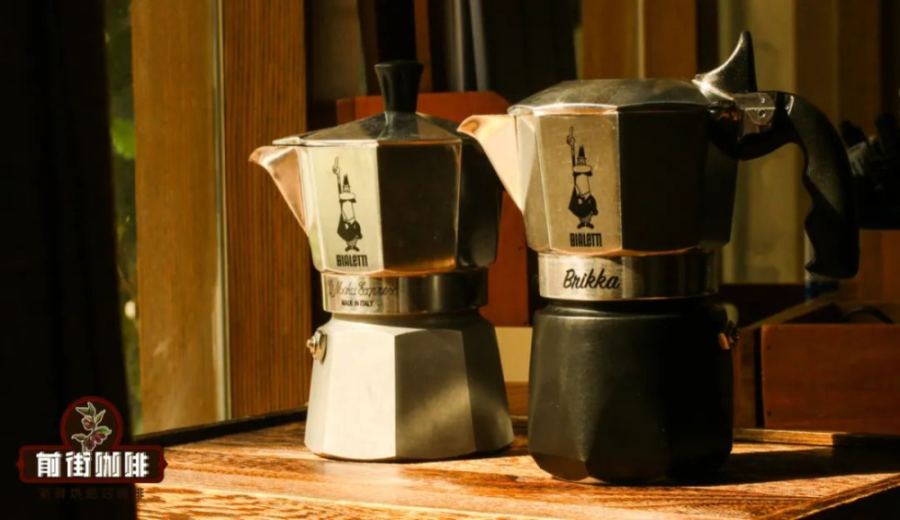
Introduction:Want to brew the perfect cup with a moka pot outdoors? Beyond brand and capacity, the pressurization principles of single-valve vs. double-valve designs, and the choice of roast level, are the real keys. This article dives into the extraction mechanism to explain why medium-dark roasted beans are the best match for moka pots, and details the practical differences between the two valve types. It also includes bean recommendations for rich crema and fruity-floral profiles, helping you easily dial in your desired flavor.
As camping booms in autumn and winter, moka pots have become essential gear for many coffee lovers. But when shopping, many get stuck on details beyond "brand and capacity"—like the pressure differences between single and double valves, or which roast level to choose—factors that directly impact the final cup’s taste. Starting from the moka pot’s extraction logic, this guide helps you understand these key issues.
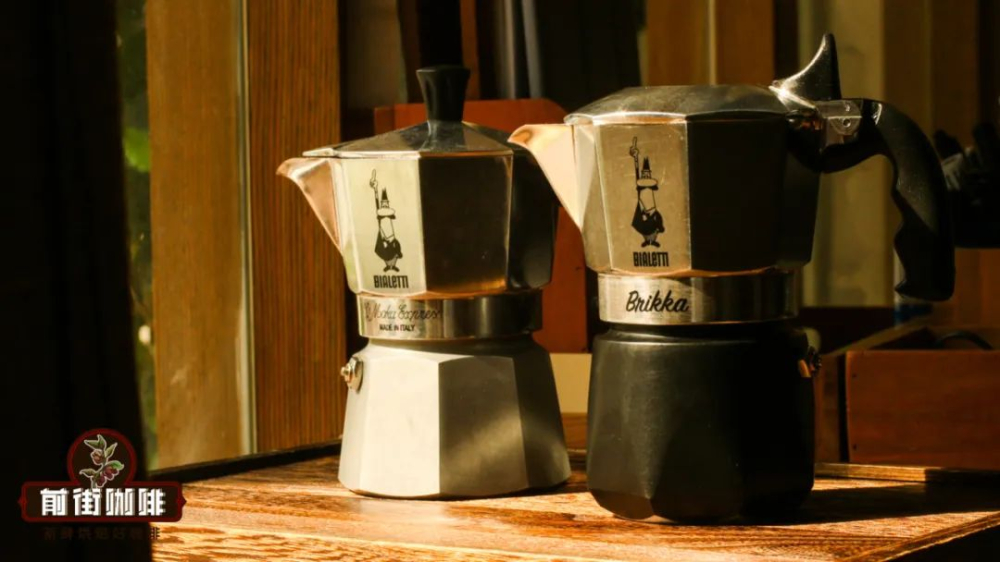
With growing demand for outdoor coffee, moka pot popularity has surged for two years straight. But open an e-commerce platform, and you’ll find the choices far more complex than expected: beyond basic brand and capacity specs, the choice between single and double valves often gives buyers pause. Which is better for you? Let’s start with how a moka pot works.
At its core, a moka pot brews strong black coffee through pressure and high heat. Its extraction relies on steam-driven water forcing through a coffee bed, creating a pressurized environment. Under these conditions, dark roasts can easily turn bitter and harsh from over-extraction, while light roasts may taste overly sharp and sour from under-extraction. Based on practical experience, medium-dark roasts (like common espresso blends) match moka pot conditions best—delivering body without excessive intensity.
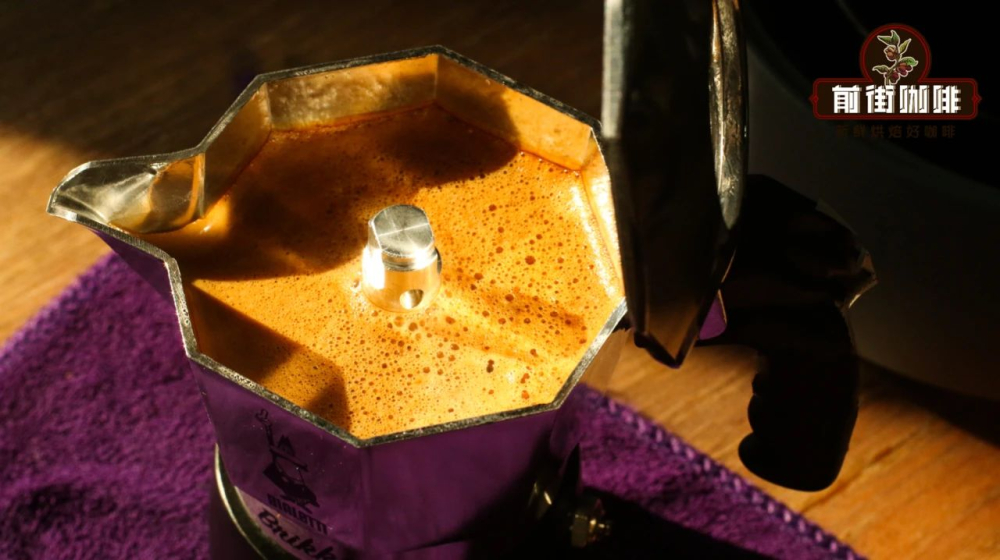
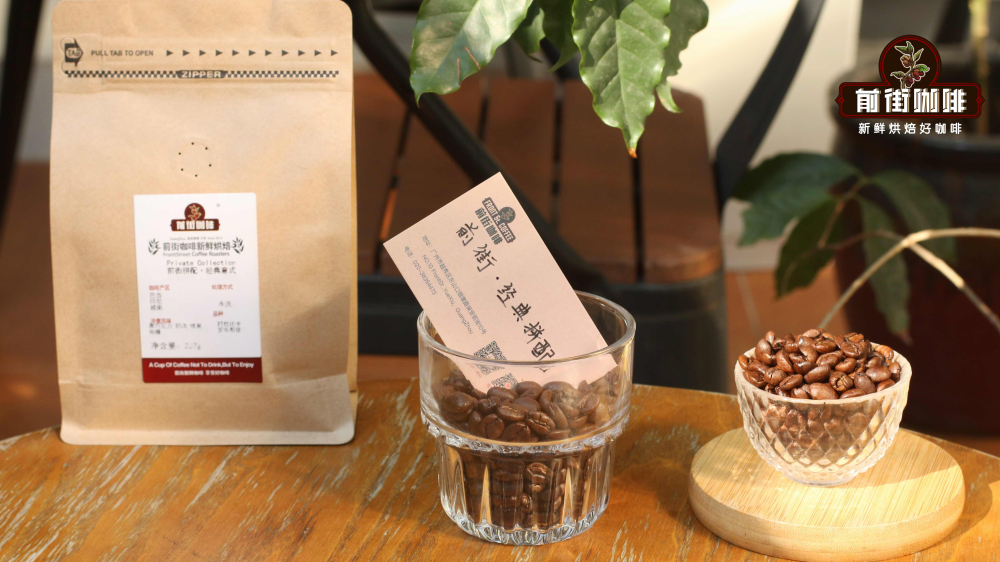
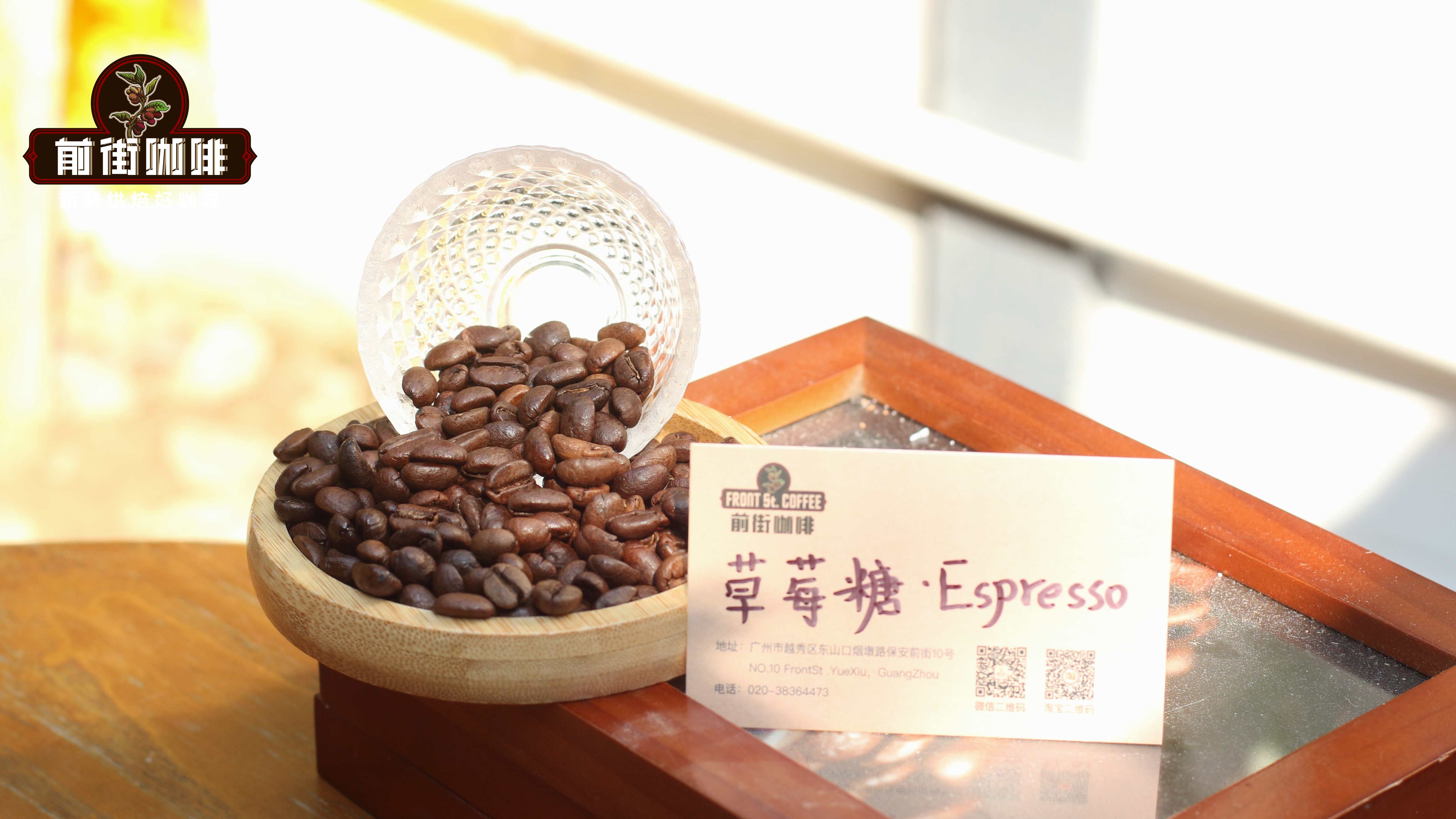
For those craving bold crema, one brand’s classic blend is a safe bet. This bean replicates traditional espresso flavors, with thick, rich crema and a full mouthfeel. Fans of fruity-floral notes might try the same brand’s strawberry sugar espresso, which offers soft rose aromas, dried fruit sweetness, and hints of grape and taffy on the finish—even beginners can pull a decent shot with a moka pot.
Common single-valve moka pots follow the extraction logic above. Double-valve models add an extra pressurization structure—a valve device typically located at the spout.
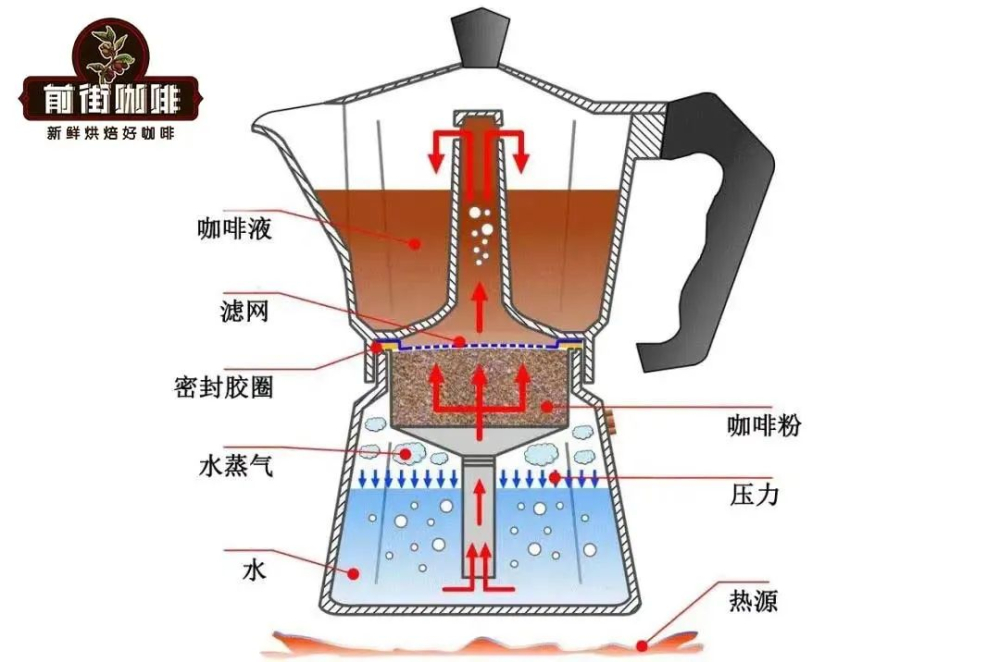
This pressurization valve isn’t complicated: by narrowing the coffee outlet, it creates localized pressure buildup when liquid struggles to flow smoothly, giving the extraction an extra push. Simply put, the double valve "kicks in extra power," stabilizing flow and improving extraction.
In practice, single-valve moka pots suit basic espresso-style brewing—easy to use and more forgiving with heat control. Double-valve models cater to those prioritizing richness and crema, especially in high-altitude or unstable heat outdoor settings, where their pressurization maintains steadier extraction. Note: regardless of valve type, controlling flame size (low to medium) and brew time (usually 20–30 seconds) are crucial for the final cup.
The above content is compiled by CoffeeHunters, a coffee news website.


