








Introduction:Flat White, as Australia’s most iconic coffee beverage, is widely praised for its rich and bold flavor paired with delicate layers of microfoam. This article will delve into how to make an authentic Flat White at home that closely resembles the Australian style, covering suggestions for selecting coffee beans, key techniques for steaming milk, as well as standard extraction ratios and recipes to help you master the core essence of this classic coffee.
Flat White is a classic coffee drink originating from Australia. It is based on espresso and topped with extremely fine and minimal microfoam, delivering a more intense and layered taste compared to a latte. Compared to a latte, the microfoam in a Flat White is thinner and almost level with the rim of the cup, which is why it is also referred to as "flat white coffee." To successfully make an authentic Flat White, the key lies in carefully selecting suitable coffee beans, mastering milk steaming techniques, and controlling extraction parameters and ratios.
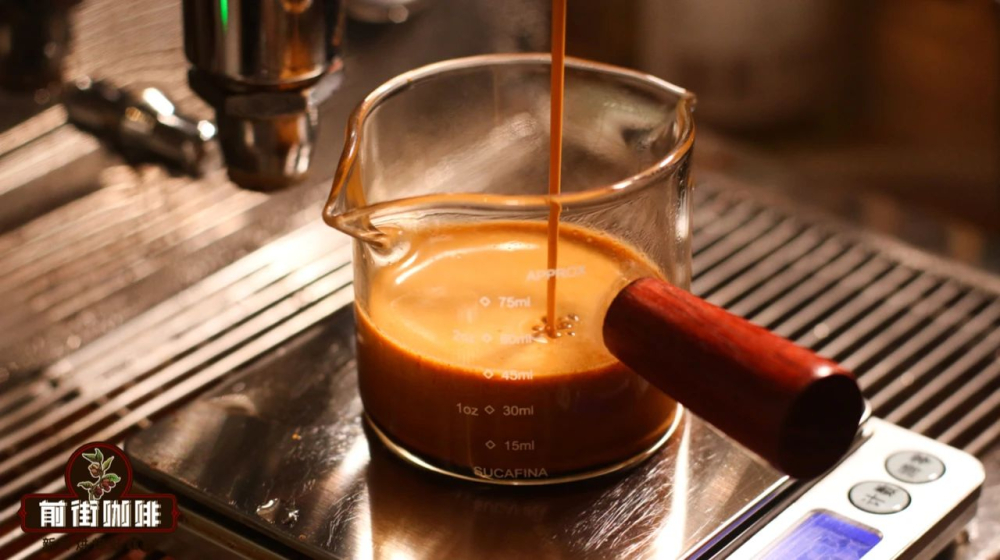
Although both the Italian espresso machine and espresso itself originate from Italy, in the world of specialty coffee culture, Australia also holds a significant place. Local consumers prefer coffee with direct flavors and a refreshing taste, such as espresso and latte, but the one that best represents the Australian character is undoubtedly the Flat White. Compared to a latte, the coffee intensity of a Flat White is slightly higher, and the layer of microfoam is thinner, making the aroma and crema of the coffee itself stand out more, giving a clean and crisp taste experience.
Many people notice a clear difference when comparing Starbucks’ version of Flat White to the local Australian one. The Starbucks version is often considered to have too much foam and insufficient strength, with a flavor profile more similar to a cappuccino rather than the pure Flat White familiar to Australians. Therefore, if you want to experience a truly authentic Flat White, mastering the correct preparation method is particularly important.

For making a standard Flat White, it is recommended to use medium to dark roasted espresso beans. These beans, due to longer roasting times and higher temperatures, undergo rich caramelization reactions, resulting in intense toasty aromas and a full-bodied taste. They also have pronounced bitterness and lower acidity, making them suitable for drinkers who prefer stronger flavors. In particular, chilled fresh milk, with its better-preserved protein and lactose structure, can produce fine and stable microfoam with a more pronounced sweetness, making it the ideal choice for making hot Flat White.
When it comes to coffee bean selection, dark roasted single-origin beans such as PWN Golden Mandheling are a top choice for many coffee enthusiasts. This coffee bean from Sumatra, processed using the wet-hulled method, features unique herbal, woody, and spicy notes, along with the intense toasty aroma brought by dark roasting, resulting in a more three-dimensional and layered overall taste. Additionally, dark roasted blends are also a good option, such as classic blend series, which combine beans from different regions to deliver rich flavors like butter, nuts, and dark chocolate, with especially outstanding crema performance.
For those looking to recreate the classic Mocha Java flavor, there are also blended formulas on the market that combine Indonesian Mandheling with Brazilian beans. Such combinations bring smoothness within wild aromas, achieving a good flavor balance. Some blends may also include a small amount of Robusta to further enhance intensity and crema performance, making every sip deeply satisfying.
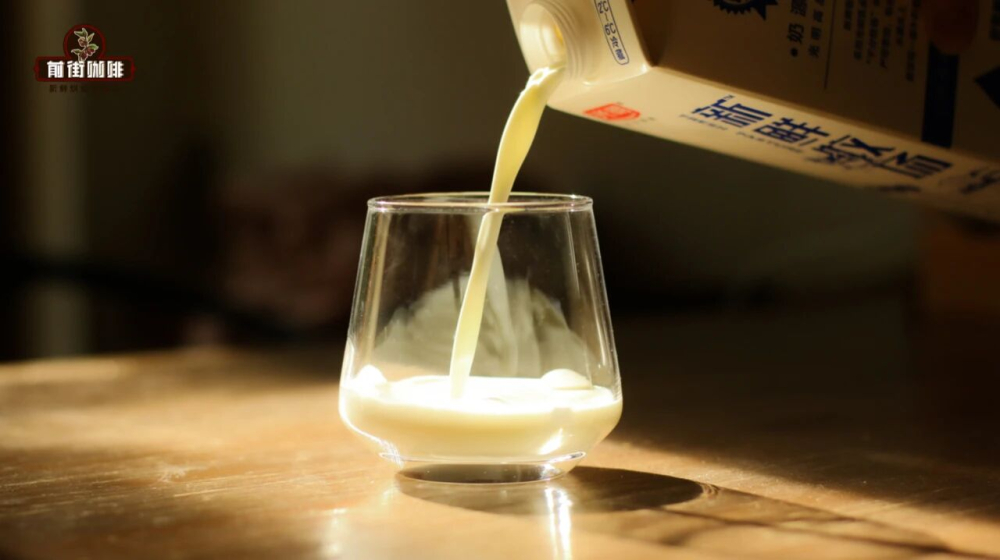
The standard Flat White recipe typically consists of two shots of espresso (about 30 grams of extracted liquid), paired with 180 ml of steamed milk and an extremely thin layer of microfoam. Here, the espresso is recommended to be extracted from the first and middle parts of the shot to achieve the fullest flavor and concentration. The microfoam in a Flat White is only about 0.3 cm thick, almost creating a "flat" visual effect, which is also the origin of the name “flat white.” Due to the thin layer of microfoam, the coffee aroma is more direct, fully showcasing the rich layers and aromatic expression of the coffee crema.
In actual practice, it is recommended to steam the milk to approximately 60–65°C using a steam wand at an appropriate temperature, while paying attention to controlling bubble size to ensure the microfoam is fine and uniform. During the steaming process, the milk’s texture and sound are important indicators of its state. When a subtle “hissing” sound is heard and the surface is smooth, it indicates that the ideal state has been reached. When pouring, it is recommended to start from the center of the cup, using steady and smooth movements to allow the coffee and milk to naturally integrate, creating a layered visual and taste experience.
In summary, making a successful Flat White not only involves choosing the right coffee beans and milk but also requires mastering the details of extraction ratios and microfoam techniques. As long as you pay attention to the above points, even at home, you can easily recreate a classic Flat White with an Australian flavor and enjoy a coffee moment that is rich, full-bodied, and well-balanced.
The above content is compiled by CoffeeHunters, a coffee news website.


