







Introduction:Jamaican Blue Mountain coffee is renowned as one of the world’s finest coffees, captivating with its balanced flavor and rarity. But do you know the actual production region restrictions, grading standards, and official certifications of true Blue Mountain coffee? This article delves into the geographical conditions, official classification system, export characteristics of Blue Mountain coffee, and provides practical brewing parameters and flavor profiles to help you better understand the true nature of this classic coffee.
Blue Mountain coffee has long held a prestigious place in the specialty coffee world, winning the hearts of many coffee enthusiasts with its rich and layered flavors. However, among the many products on the market that claim to have a "Blue Mountain flavor," very few consumers truly understand the origin, grading system, and origin regulations of Blue Mountain coffee. This article will start with the natural environment of the Blue Mountains and provide a detailed explanation of the definition of Blue Mountain coffee by the Jamaica Coffee Industry Board (CIB), as well as clarify the grading standards for Blue Mountain No. 1, No. 2, No. 3, and peaberry, so you can fully grasp what constitutes genuine Blue Mountain coffee.

The uniqueness of Blue Mountain coffee is inseparable from its growing environment. The Blue Mountains are located in the eastern part of Jamaica. When sunlight shines over the Caribbean Sea, the blue reflections on the sea surface cast onto the mountaintops, giving the range its enchanting blue hue—hence the name "Blue Mountain." The highest peak here reaches an elevation of 2,256 meters, making it the tallest point in the entire Caribbean region. It is not only a famous tourist destination but also the birthplace of Blue Mountain coffee.
However, not all parts of the Blue Mountains are suitable for coffee cultivation. In fact, according to the Jamaican government’s planning, only the mountain slopes between elevations of 910 and 1,700 meters are permitted for growing Blue Mountain coffee. This altitude range falls precisely within the so-called "coffee belt," boasting fertile volcanic soil, along with a cool and moist climate, moderate day-night temperature differences, and an average annual rainfall of about 1,980 mm, coupled with persistent cloud cover—all of which create ideal conditions for producing high-quality coffee. As a result, coffee grown here typically offers a rich and balanced taste, with harmonious acidity, sweetness, and bitterness, and almost no overly harsh bitterness.
So, does that mean all coffee grown in the Blue Mountains can be called Blue Mountain coffee? The answer is no. According to the strict standards of the Jamaica Coffee Industry Board (CIB), only coffee grown at altitudes between 910 and 1,700 meters qualifies as "Jamaican Blue Mountain coffee." Coffee grown between 460 and 910 meters is classified as "Jamaican High Mountain coffee," while coffee grown below 460 meters is considered "Jamaican Prime coffee." Therefore, Blue Mountain coffee is not just a geographical name but also a rigorous grading and certification system.
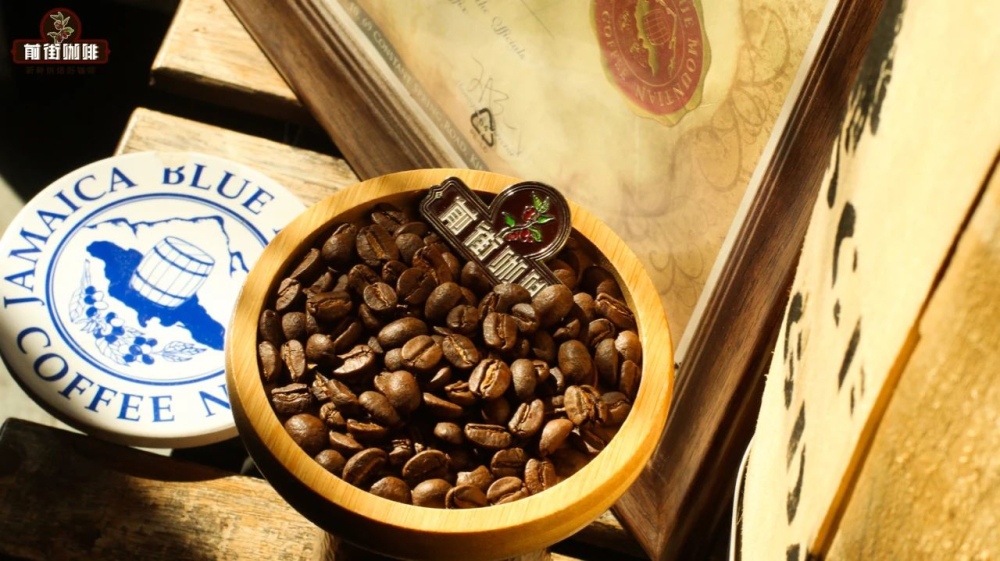
Within the grading of Blue Mountain coffee, further classification is made based on bean size and defect rate, mainly divided into four grades: Blue Mountain No. 1, Blue Mountain No. 2, Blue Mountain No. 3, and Blue Mountain peaberry. Among these, the most widely circulated and popular in the market is Blue Mountain No. 1. Specifically, Blue Mountain No. 1 requires that 96% of the coffee beans be sized at 17 mesh or larger, with a post-processing defect rate not exceeding 2%; Blue Mountain No. 2 beans must be at least 16 mesh in size, with the same 2% defect rate limit; Blue Mountain No. 3 requires a bean size of 15 mesh, maintaining the same defect rate standard; while Blue Mountain peaberry (i.e., Peaberry) must be at least 10 mesh in size, with the defect rate also kept below 2%. This stringent selection mechanism ensures the high quality of every batch of Blue Mountain coffee.
It’s worth noting that many coffee products on the market that claim to have a "Blue Mountain flavor" are actually blends crafted to mimic similar flavors, having no relation to true Blue Mountain coffee. This phenomenon arises partly because of Blue Mountain coffee’s prestigious reputation, with many consumers regarding it as synonymous with specialty coffee. On the other hand, due to its historically limited production and high price, some merchants have created substitutes with deep roasting and special formulations to mimic the Blue Mountain flavor.
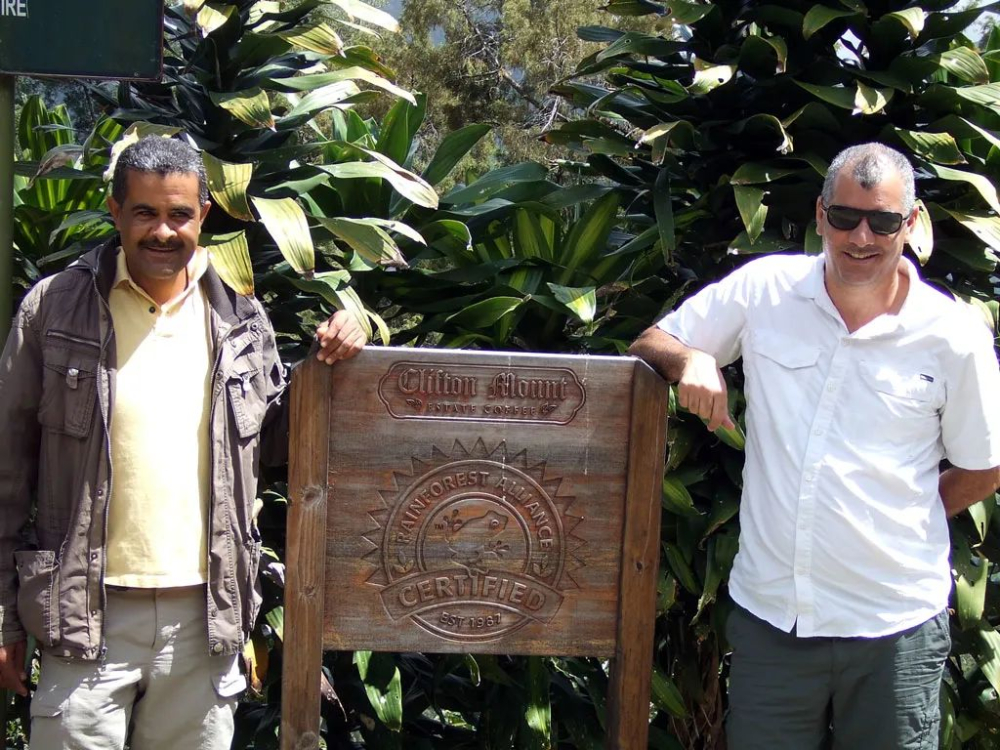
Genuine Blue Mountain coffee is a single-origin variety, typically using the Typica cultivar—an ancient Arabica variety known for its naturally bright and clean flavor profile. In addition, according to Jamaican export regulations, Blue Mountain coffee must be shipped in wooden barrels and accompanied by officially certified documentation to ensure the authenticity of its origin and quality. These certificates include: a quality certificate issued by the Jamaica Coffee Board, an authorized sales certificate from the producer, and a certificate of origin. These three documents are key identifiers of genuine product.
In terms of pricing, compared to its once scarce image, the price of Blue Mountain coffee today is relatively more accessible. Taking the common Blue Mountain No. 1 as an example, the price for 100 grams of roasted beans is around 158 RMB, making it no longer an unattainable choice for consumers who want to experience the true Blue Mountain flavor.
So, how should Blue Mountain coffee be brewed to bring out its best flavors? It is recommended to use a Kono filter, with water temperature controlled at 88°C and a coffee-to-water ratio of 1:15. Using 15 grams of coffee grounds as a baseline, set the grind size to pass about 70–75% through a 20-mesh sieve. The specific steps are: first pour 30 grams of water for blooming, for about 30 seconds; then pour up to 125 grams of water, and when the coffee liquid drops to half, pour the final amount up to 225 grams. The total extraction time is approximately 2 minutes and 10 seconds. With these parameters, the rich flavors of dark chocolate and nuts in Blue Mountain coffee can be fully extracted, along with a smooth creamy texture and balanced acidity and sweetness.
In summary, Jamaican Blue Mountain coffee is not only the pinnacle of flavor but also a reflection of a complete set of strict origin, grade, and certification standards. Understanding these details not only helps you select genuine products more accurately but also allows you to more deeply appreciate the charm of this classic coffee when tasting it.
The above content is compiled by CoffeeHunters, a coffee news website.


