







Introduction:Want to easily make great-tasting lattes or Americanos at home? Choosing the right espresso beans is key. This article starts with the fundamentals of espresso extraction, explains the relationship between espresso, Americano, latte, and cappuccino, and deeply analyzes the three core principles for selecting espresso and moka pot beans: avoid acidity, ensure freshness, and opt for medium to dark roasts. With practical blends as examples, it also offers specific purchasing advice and useful references tailored to different needs such as traditional flavor, rich body, cost control, or fruity acidity preference.
For many coffee enthusiasts, compared to the distinct regional characteristics emphasized in pour over coffee, milk-based coffee drinks like lattes or Americanos—known for their smooth and mellow taste—are actually more popular. And to consistently brew a milk coffee with balanced flavor, the first step is choosing the right espresso beans. This article will begin with the extraction principles of espresso, analyze the connections between espresso, Americano, latte, and cappuccino, and summarize three important criteria for selecting espresso and moka pot-specific coffee beans: avoid excessive acidity, ensure fresh roasting, and use a medium to dark roast level. Building on these foundations, it then recommends several practical blend options based on different flavor profiles and needs.
Although pour over coffee can highlight the unique characteristics of beans from different regions, for everyday drinking—especially for those who prefer the texture of milk coffee—espresso is actually the more practical choice. So, how do you choose the right coffee beans for such drinking habits? First, we need to understand the basic logic of espresso to establish the correct purchasing mindset.
Espresso is a strong coffee liquid extracted by an espresso machine under high pressure, with a typical coffee-to-water ratio of about 1:2. This method originated in Italy, hence the name espresso. On its base, adding hot water dilutes it into a hot Americano; adding ice and cold water turns it into an iced Americano. When you add 4 to 5 times the amount of milk foam, you get the familiar latte; if the milk foam is denser and thicker, it becomes a cappuccino.
From a flavor perspective, espresso tends to amplify the acidity in coffee beans. Especially when medium to light roasted beans are used for espresso extraction, the acidity is usually more pronounced. The reason why lattes have become the mainstream milk coffee is not only because of their smooth taste but also due to their latte art performance. During the latte art process, the rich coffee crema allows the milk foam to flow more smoothly on the liquid surface, helping the pattern form, which is also one of the key factors for successful latte art.
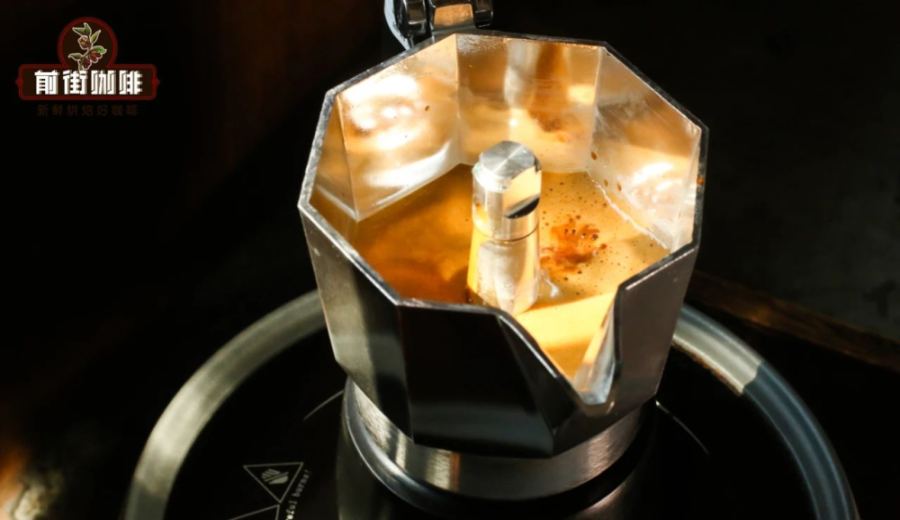
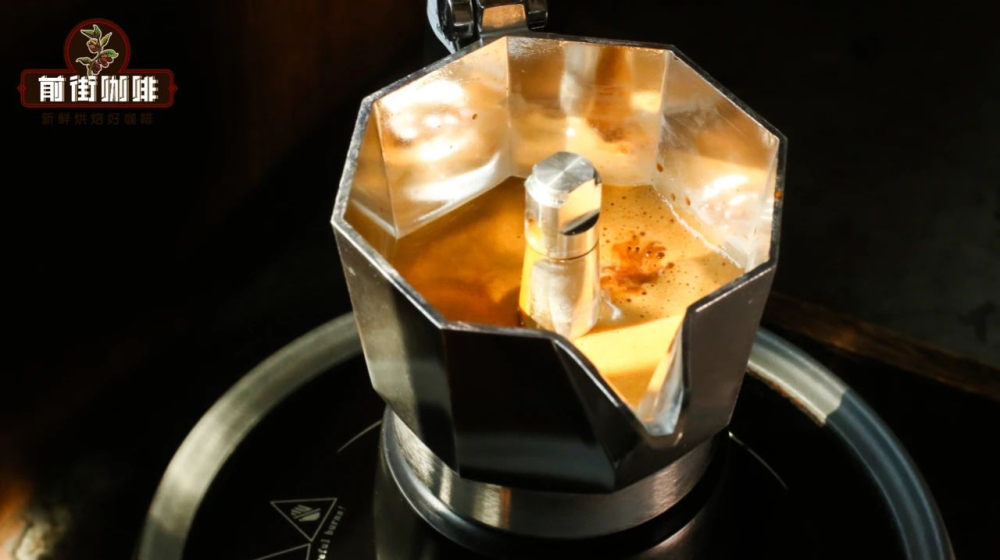
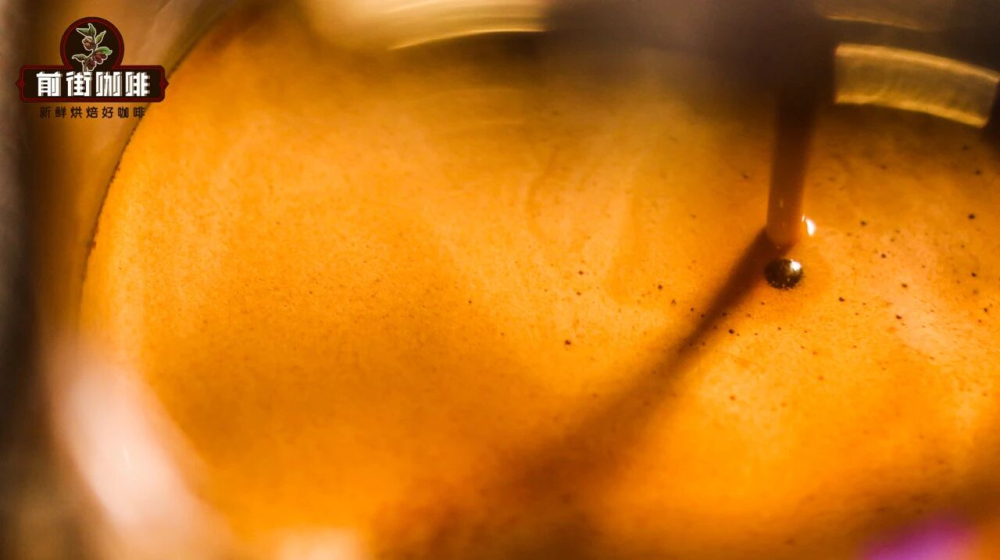
The so-called coffee crema is not actual oil, but a foamy liquid formed by the carbon dioxide and aromatic substances in the coffee beans under high-pressure extraction. The darker the roast and the fresher the beans, the more of these substances there are, and the better the crema performance will be. Although the moka pot has a simple structure, it also operates on the principle of high-pressure extraction, so the criteria for selecting coffee beans are largely the same as for espresso machines, including: avoiding noticeable acidity, using freshly roasted beans, and prioritizing medium to dark roasts. These three points are the core direction for choosing beans for both espresso and moka pot use.
Currently, many coffee beans on the market, even those labeled as “100% Arabica,” are not necessarily suitable for espresso. For consumers seeking traditional flavors and stable crema performance, “premium blends” are a worthwhile option. This blend mainly consists of Arabica beans from Brazil and Colombia, a popular combination commonly used by most coffee shops. It not only has approachable flavors but is also more widely accepted by the general public.

Additionally, it’s worth noting that Robusta is often considered lower quality, but it actually has properties that enhance the body and crema performance of coffee. For those running coffee shops or who care about latte art results, adding a small amount of Robusta-based “commercial blend” to the “premium blend” can often deliver a fuller body and better crema.
If you’re more after rich crema and a full-bodied taste, the “classic blend” is a darker-roast style option that combines Mandheling and Brazilian Arabica, along with a small amount of Robusta, resulting in an overall flavor that is more robust and solid. For shops more sensitive to cost and only needing stable coffee output, the “dark cocoa blend,” primarily made of Yunnan and Brazilian beans, is also a practical option suitable for both moka pots and espresso machines. It maintains a certain level of output quality while helping to control costs.
All of the above blends, whether for home use or shop operations, when using 19 grams of coffee grounds to extract 38 grams of coffee liquid, can deliver good crema and concentration performance. They are suitable for users seeking traditional, balanced flavors.
Of course, if you prefer coffee with some fruity acidity and a relatively lighter body, medium to dark roasted or even medium roasted espresso beans can also meet your needs. For example, the “strawberry sugar espresso blend,” which combines Catuai and Geisha varieties from Panama, Costa Rica, and Colombia, is a medium to dark roasted bean. It not only retains the crema performance of traditional espresso beans but also brings unique floral and fruity aromas through the Geisha, adding a refreshing touch to milk coffee. It’s suitable for users looking to find variety within tradition.
In summary, whether you’re a traditionalist pursuing stable crema, a milk coffee lover who enjoys a rich body, or a user aiming to control costs or try fruity acidity, you can find the right espresso or moka pot beans for your needs by balancing medium to dark roasting, freshness, and blend composition. Mastering these basic principles lets you easily brew a delicious cup of milk coffee.
The above content is compiled by CoffeeHunters, a coffee news website.


