







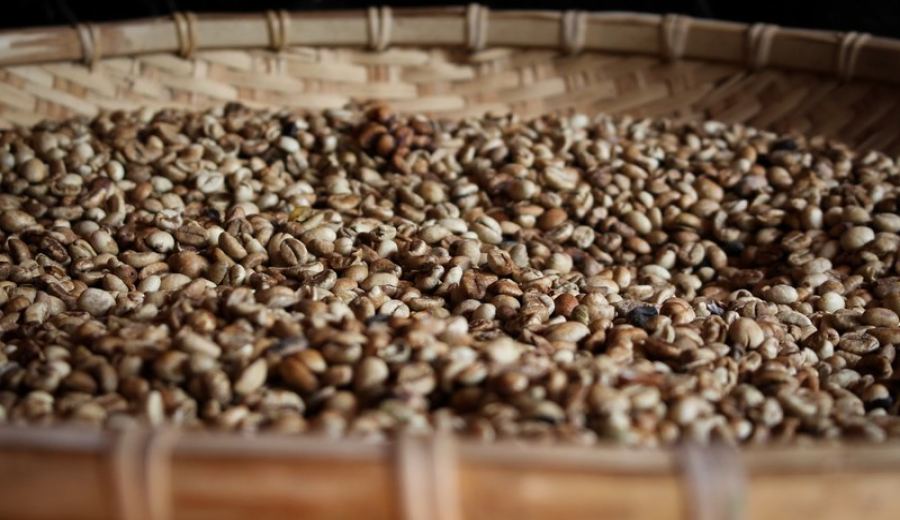
Introduction:Did you know that freshly roasted coffee beans are actually not ideal for brewing right away? This article delves into the complete cycle of coffee beans from degassing to peak flavor, teaching you how to identify the optimal drinking windows for both light and medium-dark roasts. It also shares practical storage methods and pour over parameters to ensure every cup delivers the best possible flavor.
Right after roasting, coffee beans are in an intense "degassing phase." At this stage, a large amount of carbon dioxide builds up inside the beans. Brewing them directly can cause bubbles to disrupt water flow, preventing even extraction of flavor compounds. Letting the beans rest in a bag with a one-way valve allows internal pressure to stabilize naturally — this process is what the industry calls "resting" or "aging" the beans.
The core purpose of resting is to help the beans achieve balanced and stable flavors. As carbon dioxide is slowly released, delicate aromas that were previously masked gradually emerge, and the extraction process becomes smoother. Generally speaking,light roast beans, due to their denser structure, degas more slowly and are recommended to rest for seven to ten days; on the other hand,medium to dark roast beans have a looser structure and degas more quickly, typically showcasing a rich and full-bodied taste after just four to six days.
Understanding a coffee bean’s prime flavor window helps you plan your consumption more scientifically. Most coffee beans are at their most flavorful between one week and one month after roasting, after which oxidation gradually diminishes their quality. It’s advisable to check the roast date on the packaging and decide when to open the bag based on your own consumption frequency, ensuring each cup is enjoyed during the peak aromatic golden period.
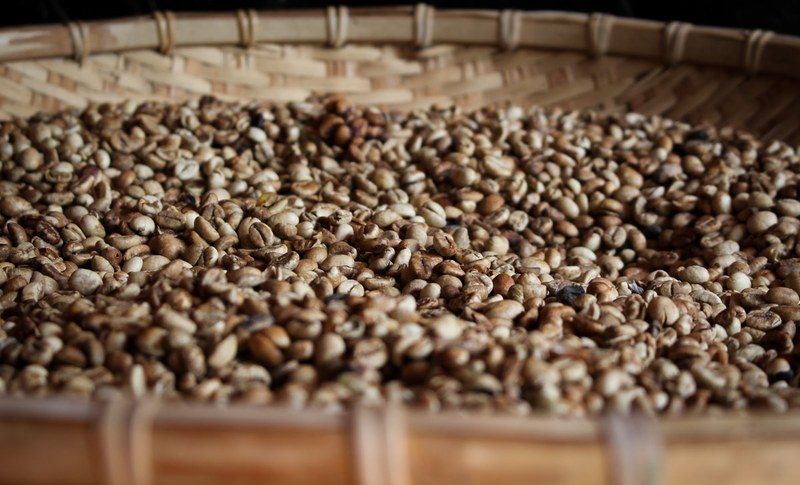
Take light-roasted, fruity beans as an example: when rested to ideal condition, their flavors often exhibit exceptional clarity and brightness. For instance, certain beans from the Yirgacheffe region, after proper resting, naturally reveal the sweet notes of citrus, berries, and delicate floral aromas, with even a green-tea-like clean sweetness in the aftertaste. When brewing such beans, it’s recommended to use stable water temperature and moderate pulse extraction to fully express their layered complexity.
In practice, if using a typical Yirgacheffe-style bean, you might try91°C water temperature, using 15 grams of coffee grounds ground to a medium-fine level, and extracting with a total of 225 milliliters of water. A three-stage pouring method is advised: start with 30 milliliters of hot water for a 30-second bloom, then pour steadily up to 130 milliliters, wait for the liquid level to drop slightly, then pour up to 225 milliliters. The entire process should take around2 minutes and 05 secondsto achieve a clean, sweet, and smooth cup.
Another common type of light-roasted, sun-dried bean, after the resting period, can display especially enticing tropical fruit flavors. Some beans from Ethiopian regions, upon opening the bag, already emit rich aromas reminiscent of strawberries and passionfruit, accompanied by vibrant juiciness and noticeable sweetness. To enhance this exuberant fruit character, you can fine-tune water temperature and pouring rhythm to accelerate the release of early-stage aromas.
Taking Ethiopian Huaguang beans as an example, it’s recommended to use90°C water temperature and 15 grams of coffee, with 225 milliliters of hot water. A two-stage pouring technique is suggested: begin with 40 milliliters of water for a 30-second bloom, followed by steadily pouring in a circular motion from the inside out until reaching the full 225 milliliters. The total time should be kept at1 minute and 50 seconds. This extraction method allows the strawberry-like sweetness to fully shine.

For coffee enthusiasts seeking the utmost in delicate and refined aromas, certain high-altitude hard beans, once fully rested, can present an exceptionally elegant flavor profile. For example, some Geisha beans from Panama, after proper aging, can express complex layers of jasmine, bergamot, and black tea. These beans require ample resting time for their flavors to fully awaken, and paired with gentle water flow control, they can deliver a light, silky texture with sophisticated layers.
During actual brewing, you can use92°C water temperature, 15 grams of coffee, and a total of 225 milliliters of water. A three-stage pouring approach is recommended: start with 35 milliliters of water for a 35-second bloom, pour up to 120 milliliters in the second stage, then gently pour up to 225 milliliters in the third stage. The overall brew time should be around2 minutes and 15 seconds. This method allows citrus and floral notes to unfold layer by layer, highlighting the refined elegance unique to Geisha beans.
Once opened, coffee beans will rapidly lose flavor if not stored properly. Oxygen, moisture, heat, and light are the four major culprits that accelerate aroma loss. After each use, squeeze out excess air from the bag and seal it tightly, or transfer the beans to an opaque container with a one-way valve and store it in a cool, dry cabinet. Important reminder: never put coffee beans in the refrigerator, as they may absorb moisture and compromise quality.
The above content is compiled by CoffeeHunters, a coffee news website.

