







Introduction:Understand the transformation process of medium-roast coffee beans from post-roasting to their flavor peak, and master the timing for opening the bag and adjusting pour over parameters. This article delves into the degassing period and flavor development cycle of medium-roast beans, providing practical brewing suggestions and storage methods to help you fully experience the layers and aromas of coffee, elevating the quality of every pour over.
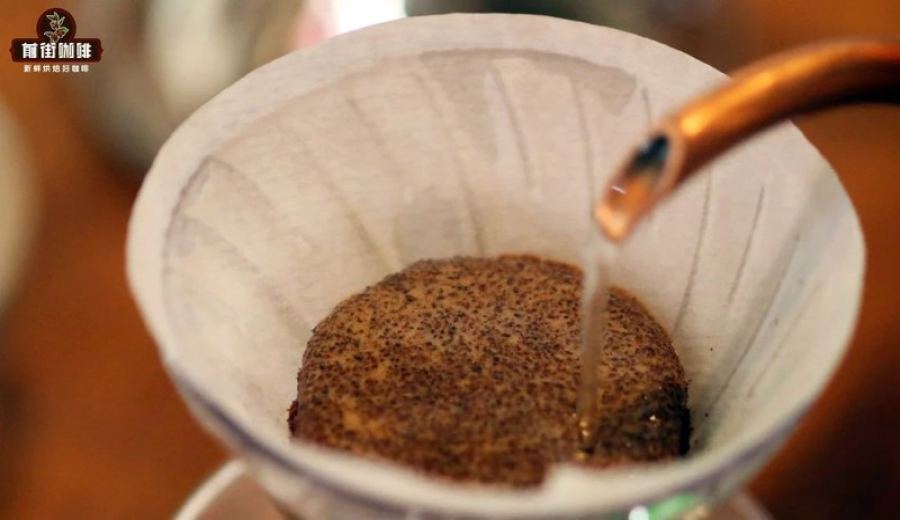
Freshly roasted coffee beans are rich in carbon dioxide, especially due to the loose internal structure formed during the medium-roast process, which causes these gases to continue releasing in the days following roasting. Brewing immediately after roasting by grinding the beans can cause rapid gas release to disrupt water flow through the coffee grounds, leading to uneven extraction and affecting flavor performance. Therefore, understanding the release rhythm of gases within the coffee beans is an important foundation for adjusting your pour over process.
Generally speaking, around the fifth to seventh day after medium-roast coffee beans are roasted, the release of excess internal gases gradually stabilizes, while flavor compounds also begin to unfold. At this stage, the coffee grounds absorb water more smoothly, allowing floral and fruity aromas along with caramelized sweetness to be released more noticeably. Knowing the right time to open the bag helps achieve a more balanced and refined drinking experience.
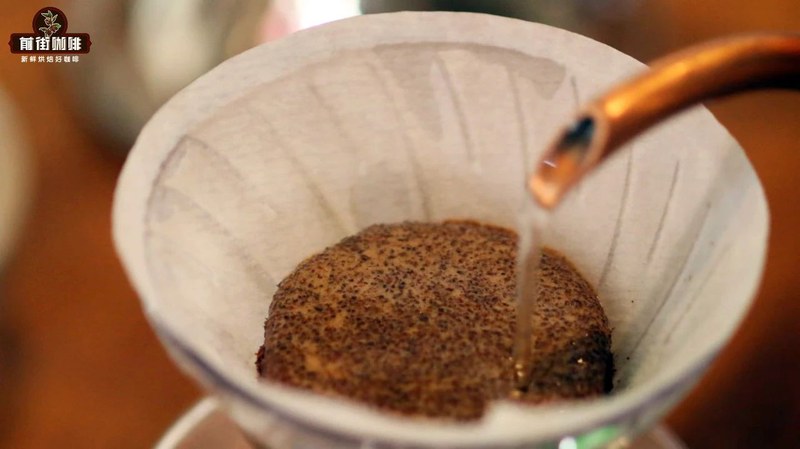
Taking a classic medium-roast single-origin bean as an example, opening it about one week after roasting will gradually reveal its refreshing citrus acidity and sweet nutty tones. It is recommended to use hot water at approximately 90°C, with 15 grams of coffee grounds and 225 milliliters of water, extracting at a 1:15 ratio. Use a three-stage pouring method: start with 30 milliliters of water for a 30-second bloom, then steadily pour 100 milliliters, and finally add another 95 milliliters, keeping the total brew time around 2 minutes and 5 seconds, often resulting in a gentle oolong tea-like aftertaste.
Entering the two to three-week mark after roasting, medium-roast beans enter their golden period for flavor expression, during which the aroma is rich and the acid-sweet balance is optimal. For instance, a well-known medium-roast Kenyan bean at this stage exhibits clear cherry tomato acidity, rich dark plum flavors, and a dense brown sugar sweetness, delivering a vivid yet rounded mouthfeel. To fully bring out its juicy sensation and layered sweetness, it is suggested to use water at 91°C, with 16 grams of coffee grounds and a total of 240 milliliters of water, using a two-stage pour: first blooming with 40 milliliters for 35 seconds, then pouring 200 milliliters with a medium flow rate, for a total extraction time of around 2 minutes and 15 seconds, balancing the dark plum acidity and caramelized aftertaste nicely.
For medium-roast processed beans with particularly rich aromas, such as certain naturally processed Geisha varieties, it is recommended to enjoy them within the tenth to twentieth day after roasting. During this period, the aroma layers of orange blossom, apricot, and strawberry are distinct, presenting a complex and captivating tropical fruit character and jam-like sweetness. When brewing such beans, special attention should be paid to temperature and water flow control to preserve the delicate aroma expression.
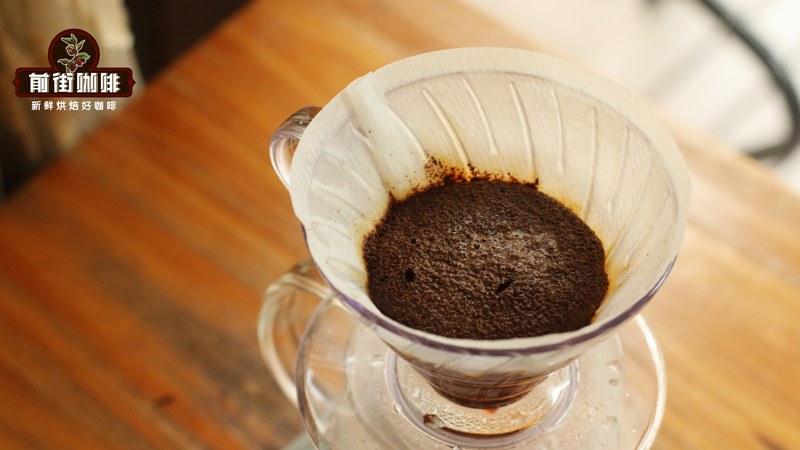
Taking a popular naturally processed medium-roast Geisha as an example, it is recommended to use water at 89°C, with 15 grams of coffee grounds and 225 milliliters of total water. Use a three-stage pouring method: start with 35 milliliters of water for a 30-second bloom, then in the second stage pour 100 milliliters with a gentle flow to enhance floral and fruity notes, and finish with 90 milliliters in the last stage to maintain sweetness, keeping the overall brew time around 2 minutes and 10 seconds to achieve a longer-lasting and captivating layering and aftertaste.
While enjoying the golden tasting window of medium-roast coffee beans, daily storage methods are extremely crucial. Due to their looser structure, medium-roast beans are more prone to oxidation from oxygen, moisture, and light exposure. It is recommended to gently press out excess air from the packaging bag after opening, using packaging with a one-way degassing valve or sealing tightly with a clip, and store in a cool, dry, and light-proof environment.
For home users, it is suggested to choose small-packaged beans and aim to consume them within three to four weeks after opening. If purchasing in larger quantities, unopened beans can be divided into aluminum foil bags and stored in a dry and cool place to avoid frequent opening of large packages that may lead to moisture intrusion. Additionally, maintaining the habit of grinding and brewing immediately helps preserve volatile aromas to the greatest extent, enhancing the overall drinking experience.
Mastering the transition rhythm of medium-roast coffee beans from the degassing period to the flavor peak not only helps you enjoy the charm of regional characteristics and roasting craftsmanship at the optimal time but also adds more enjoyment to each pour over session. By fine-tuning water temperature, pouring rhythm, and grind size, your cup will reward you with the most authentic and captivating coffee flavors.
The above content is compiled by CoffeeHunters, a coffee news website.

