







Introduction:Did you know? The captivating aroma and flavor of light-roast floral coffee beans actually unfold gradually in the days or even over a dozen days after opening the bag. This article will help you master the key rhythm from roast date to brewing timing, understand the impact of the degassing period on flavor, learn how to determine when to start your pour over, and how to store beans to maintain their optimal condition. From purchase to sipping, let every cup of coffee reach its fullest potential.
The charm of light-roast floral beans often doesn’t lie in the moment you first open the bag, but gradually blossoms after a period of “maturation.” Many people mistakenly assume that freshly roasted beans are the best time to drink them, but in reality, beans still contain a large amount of carbon dioxide internally after roasting. These gases can affect extraction stability, thereby altering aroma expression and taste structure.
It is recommended to prioritize checking the “roast date” when purchasing, rather than the vague “production date,” as the latter does not truly reflect the actual state of the beans. Many consumers are only drawn in by the glamorous flavor descriptions on the packaging, yet overlook something more important: giving the beans enough time to “breathe” in order to unlock their true potential.
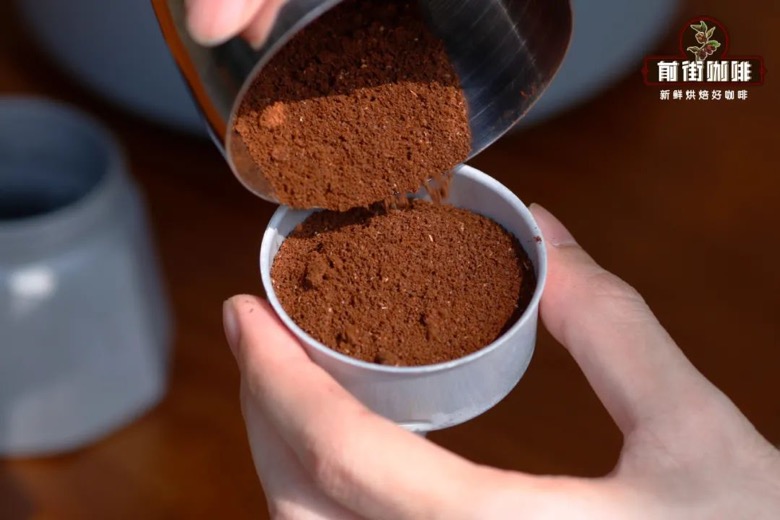
Generally speaking, it is recommended to start trying light-roast floral beans around the 7th day after roasting. If you find the acidity too prominent upon tasting—concentrated on the tip of the tongue with a noticeable “sharpness”—or if the aroma feels loose and the mouthfeel has a slightly effervescent quality, it is advisable to let the beans rest for another 2 to 3 days before trying again. In most cases, the 10th to 20th day is the golden window when many floral beans reach peak flavor, with a more consistent sweetness and clearer layered aromas.
It’s worth noting that different origins, processing methods, and roast profiles can all influence the rate of degassing. For example, naturally processed beans may have a slightly slower degassing process due to their high sugar content, so it’s recommended to allow a few extra days for observation. Similarly, bean varieties with high aromatic intensity or high sweetness may also require longer for internal compounds to stabilize.
When selecting coffee beans, it’s advisable to choose packaging of moderate capacity—especially for consumers who brew just one cup per day. Opting for small packages of 60 to 100 grams helps ensure that you finish the beans during their optimal flavor stage. Additionally, choosing packaging with a “one-way degassing valve,” good sealability, and light-shielding design can effectively reduce aroma loss before opening.
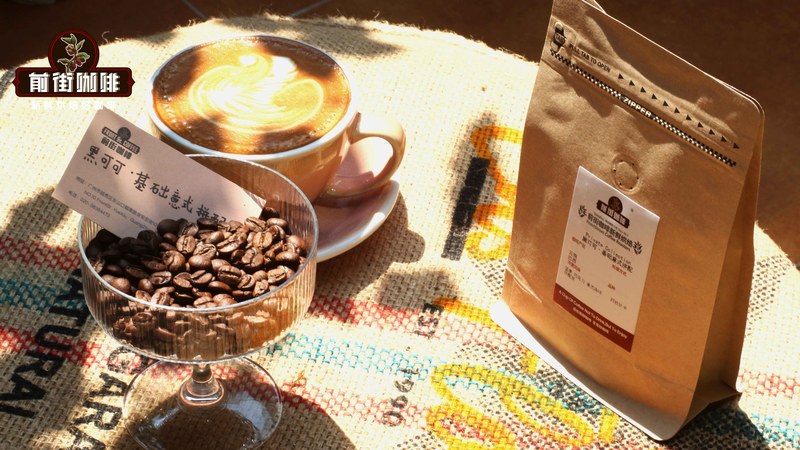
After receiving freshly roasted coffee beans, it’s recommended not to open the bag immediately. First, check the integrity of the packaging, then decide when to open the bag based on your own drinking plans. If the beans are freshly roasted, you can leave them in their original packaging for the initial degassing phase; but if the packaging has already been opened, you should transfer them promptly into a well-sealed container to prevent repeated air exposure, which can accelerate oxidation and negatively affect aroma.
The storage environment is key. Once opened, beans should be stored in a cool, dry, dark place with stable temperature. It is recommended to use ceramic or opaque metal containers with airtight rubber gaskets. Special attention should be paid to the fact that although refrigerators are low in temperature, frequent opening can cause temperature fluctuations and condensation, so they are not recommended as a daily storage location unless necessary. For long-term storage, beans can be portioned into individual brew sizes and frozen, but make sure to allow the packaging to return to room temperature before opening to avoid moisture condensing on the bean surface.
The shelf life should also be flexibly adjusted based on daily consumption. For example, if you have 200 grams of beans and can finish them within two to three weeks, room-temperature storage is an option—but regular checks should be made for any significant weakening of aroma. On the other hand, if your consumption rate is slower, it is recommended to freeze unused portions in advance to prevent the whole bag from aging faster due to repeated air exposure.
Taking an actual bean variety as an example, light-roast beans like “Kafa Forest” often exhibit a fresh citrus tone in the early stages. After a few days of maturation, apricot-like ripe sweetness and a soft tea-like sensation gradually emerge, leading to a more balanced overall mouthfeel. It is recommended to divide the same brew batch into hot and slightly cooled states for two rounds of tasting—you’ll clearly perceive the transition of aroma from bright to rounded.
Another variety, “Granja La Esperanza Geisha,” is known for its high aromatic concentration. Notes of orange blossom, guava, and berry jam become increasingly clear as the degassing process completes. If the aroma feels overly intense upon opening the bag, consider letting it sit for a few days before brewing—it often reveals a more distinct layering. This bean is suitable for small-batch brewing, and allowing the coffee to gradually cool can help capture subtle daily changes.
For enthusiasts who enjoy iced pour over or espresso, “Colombia Gesha” is also an interesting bean to observe. Its passion fruit, blueberry, and grape profiles shine with a bright and refreshing character in iced pour over, while offering a richer and more concentrated profile in espresso. It’s recommended to brew a cup right after opening as a baseline, then try again every few days to identify the stage with the richest aroma and best balance—helping you decide whether this bean is better suited for hot or cold drinks.
In summary, for floral-style light-roast beans, you can adopt a strategy of “small batch opening and segmented recording”: note the opening date, each brew time point, and the flavor experience at that time. Simply record changes in aroma, sweetness, acidity, and aftertaste, capturing the taste impression of the moment with a few keywords. When you taste your favorite state, mark that as your personal “recommended enjoyment date” for that bean. Choosing beans isn’t just about picking a package with a flavor description—it’s also about reserving time for maturation, so every cup of coffee enters your daily routine at its most enchanting state.
The above content is compiled by CoffeeHunters, a coffee news website.

