








Introduction:If you want to recreate the rich flavor of an Italian café at home, the moka pot is the most accessible option. This article starts with the 1933 origins of this classic tool, compiles recommendations on suitable coffee beans and roast levels for the moka pot, explains the grind size differences compared to espresso machines, and provides a complete brewing process—from water filling and coffee distribution to flame control—as well as troubleshooting common mistakes. This will help you brew your first cup with rich crema, bold aroma, and smooth taste.
Among the wide range of Italian coffee tools, the moka pot is arguably the most affordable and widely used in ordinary households. Invented by Italian Alfonso Bialetti in 1933, it uses heat from the base to generate steam pressure in the lower chamber, pushing hot water up through the coffee grounds—making it a type of stovetop pressure extraction. In principle, it's very similar to the first commercial espresso machine designed and produced by La Pavoni in 1905, except the entire boiler structure is condensed into a single small pot for the stovetop.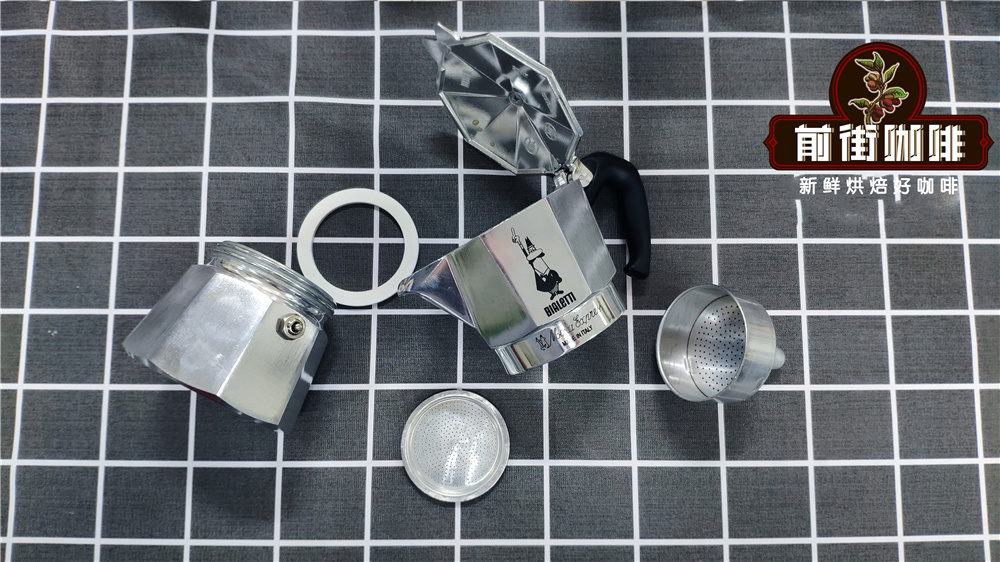
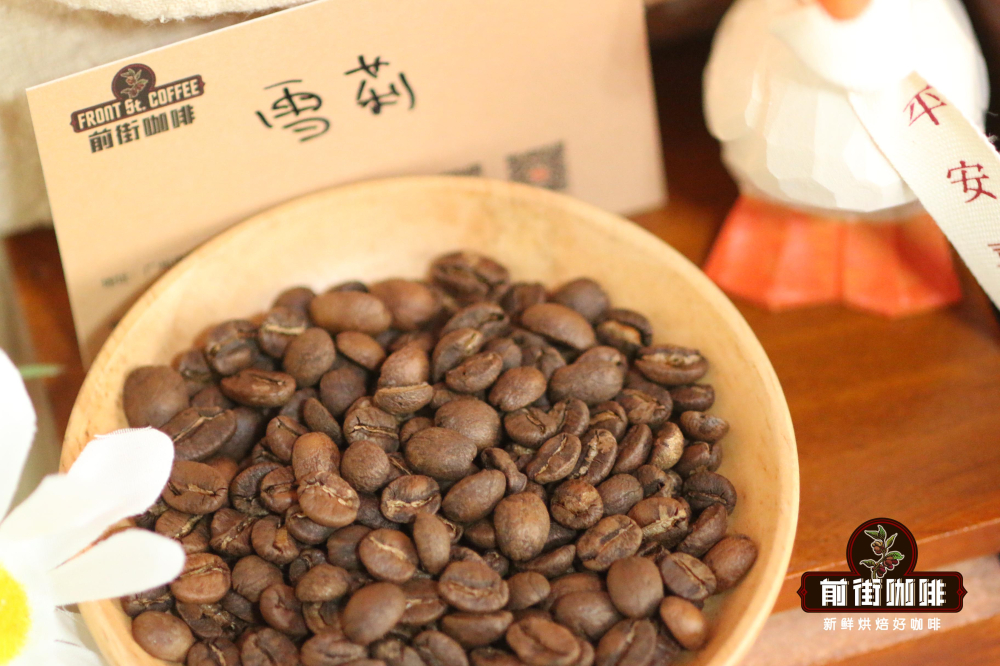
As for which beans (or ground coffee) work best in a moka pot, you don’t need highly specialized knowledge. In Italy, most families don’t own grinders, and it’s common to simply go to a supermarket and buy coffee labeled “for moka pot”—these products are already ground and roasted to the right level for the moka pot, so anyone can brew a rich cup without needing to study any parameters.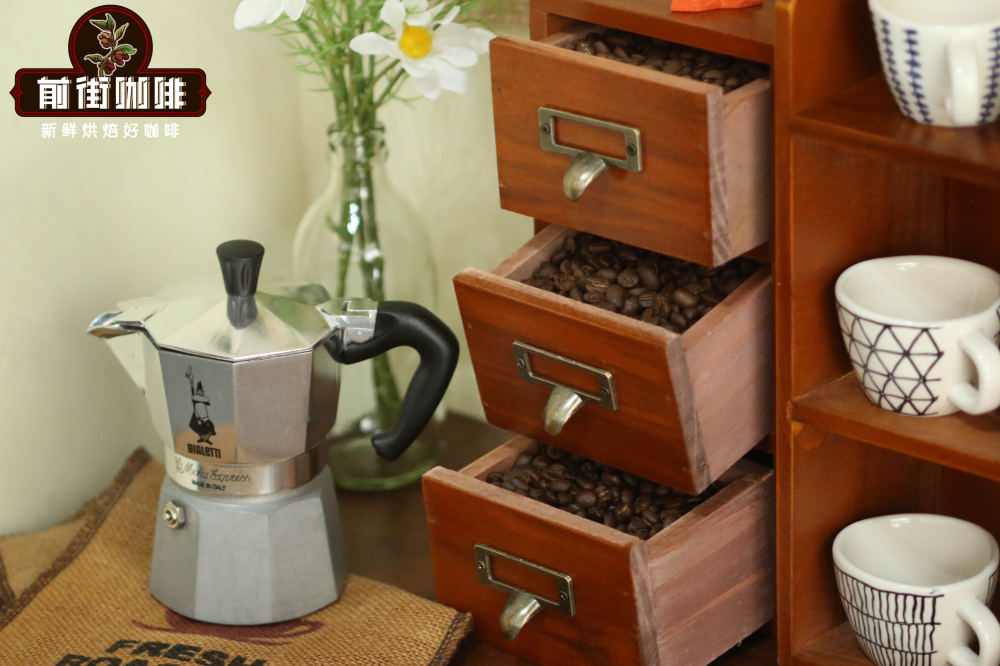 In regions where specialized moka pot coffee isn't available, you’ll have to take matters into your own hands: today’s specialty coffee market is well-developed, and beans from world-renowned regions are easy to find, but you should pay attention to...Light-roast beans are not suitable for moka pots—they often result in unbalanced flavors, thin crema, and overly sharp acidity. It’s generally recommended to use medium to dark roast coffee beans.
If you’re looking for the safest choice, go for well-balanced Italian-style blends—the recipes are designed to balance flavor and mouthfeel, and their taste also tends to be closer to popular preferences. A classic combination is 70% Brazilian beans and 30% Colombian beans: the Colombian Huila beans offer pleasant acidity, rich sweetness, and aromatic fragrance; the Brazilian Cerrado beans provide a comfortable bitterness and sweetness, and are extremely smooth on the palate. Together, they yield subtle grassy notes, soft mild acidity, and a strong nutty character, along with plenty of crema. For those who prefer floral and fruity notes, consider a two-region high-altitude blend made up of Panamanian washed Geisha and Costa Rican honey-processed beans, roasted to a medium level. This preserves a rich array of fruit and flower tones while also highlighting roasty aromas. During brewing, you might notice notes of caramel, raisins, dried fruit, and sweet, lush rose.
If you want to directly enjoy intense regional characteristics, medium-roasted single-origin beans such as Brazil’s Queen Estate or Papua New Guinea’s Bird of Paradise Estate are good options. Both share balanced flavors, a strong nutty profile, and sweet notes reminiscent of fruit sugar.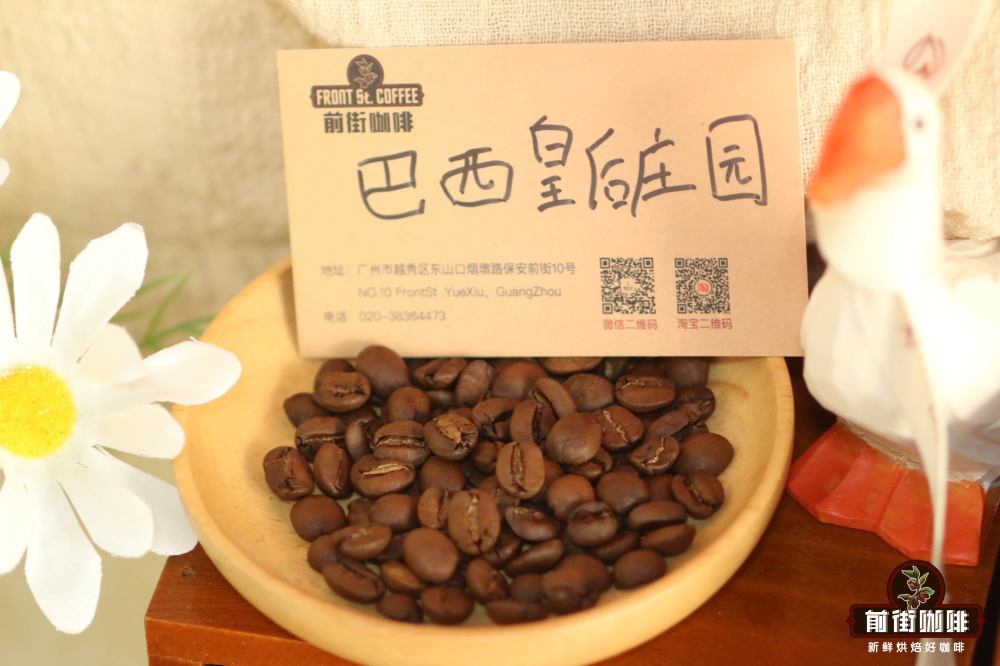 For even more robust aroma and body, consider going for a darker roast—such as Indonesia’s PWN Golden Mandheling, whose distinctive herbal fragrance works very well in a moka pot.
 If you feel the flavor is too one-dimensional, beans with unique profiles are also a great option. For example, Honduran Sherry beans offer intense sherry wine, vanilla cream, and chocolate notes, and importantly, they produce very rich crema, making them another excellent match for the moka pot.
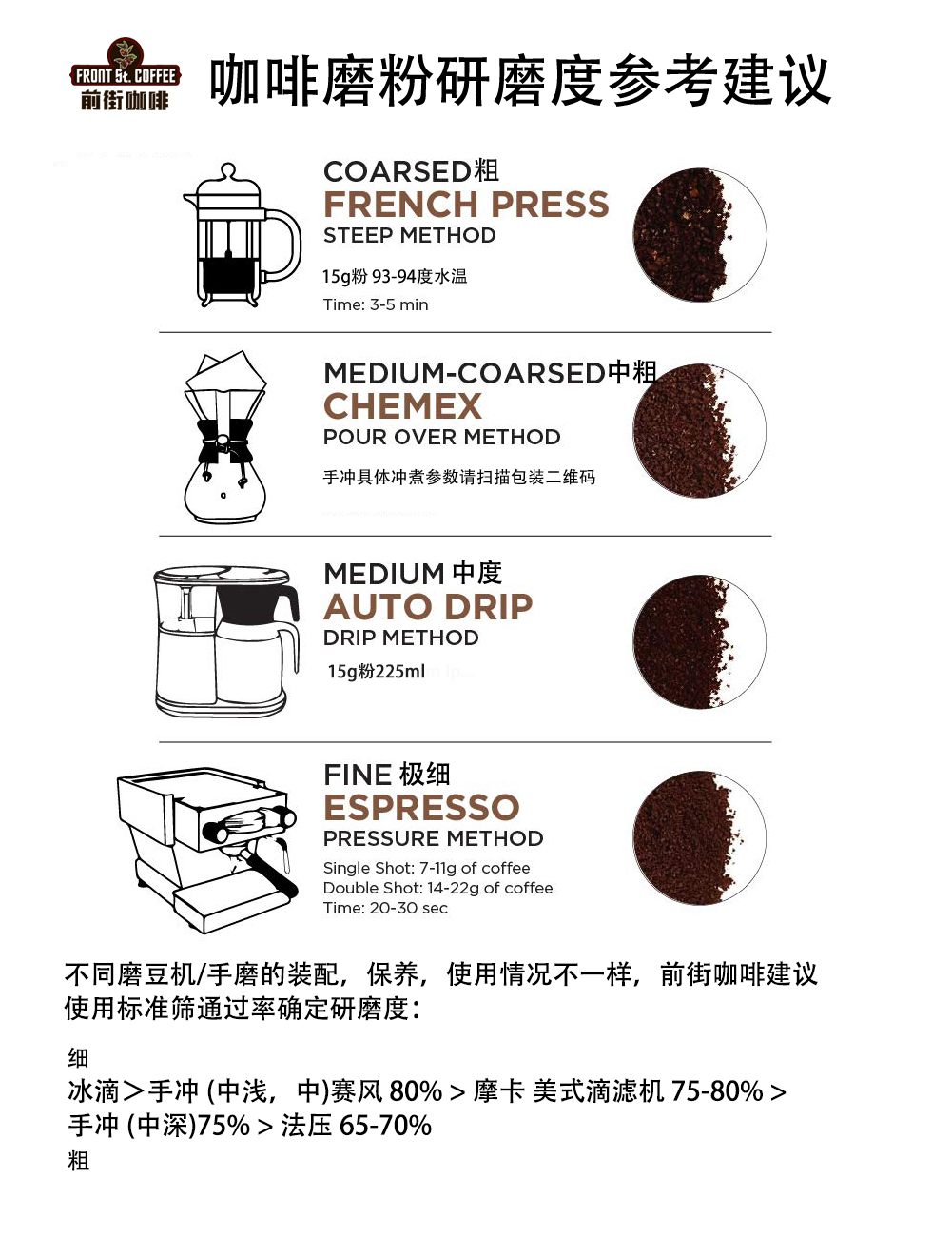
So, how fine should moka pot coffee grounds be? Many want to use a moka pot as a substitute for an espresso machine, but the two are completely different brewing tools, and the parameters can’t simply be copied—the answer is...slightly coarser than espresso grind.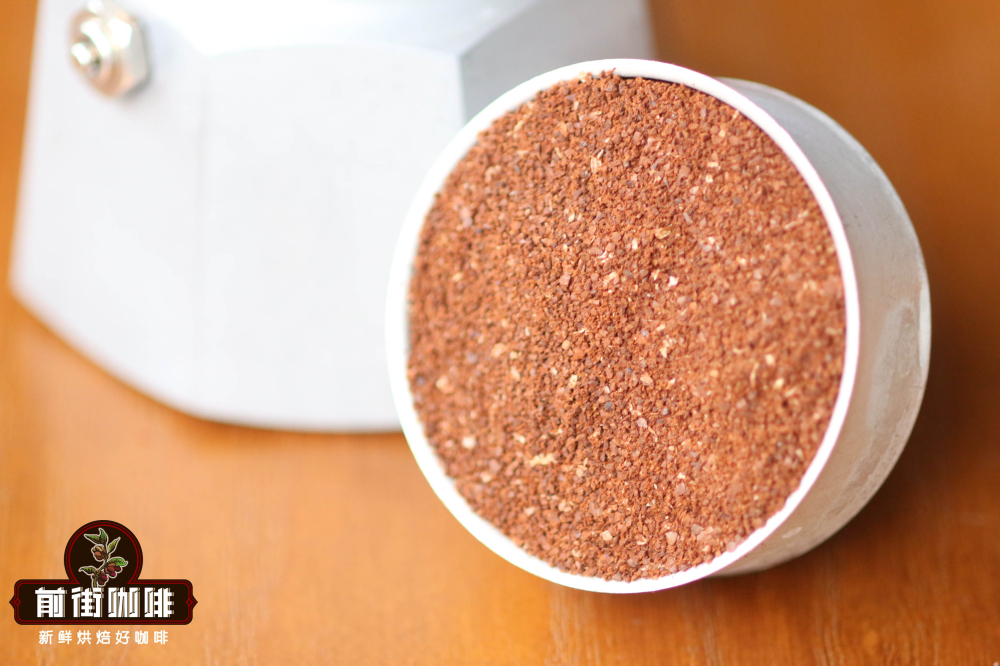 The easiest visual method is to compare with the size of the filter holes in the coffee chamber—ensure the coffee particles won’t fall straight through into the lower chamber. But don’t grind too coarse either, or there will be too little resistance, failing to build adequate pressure, resulting in no crema and the coffee spurting out chaotically like a fountain.
When adjusting grind size, remember three principles. First, grind fineness is proportional to extraction time: the finer the grind, the longer the extraction time and higher the extraction yield; the coarser the grind, the shorter the time and lower the yield. Second, adjust slightly based on roast level: the deeper the roast, the more damaged the bean fibers and the easier it is to extract flavor; grinding too fine will make it overly bitter, so a slightly coarser grind is better; the opposite is true for lighter roasts. Third, grind size directly affects bitterness: too fine a grind extracts too much, pulling out high-molecular-weight bitter substances like chlorogenic acid, quinic acid, and caffeine; too coarse avoids bitterness, but medium-molecular-weight sweet flavors may remain in the grounds due to under-extraction, which is quite wasteful.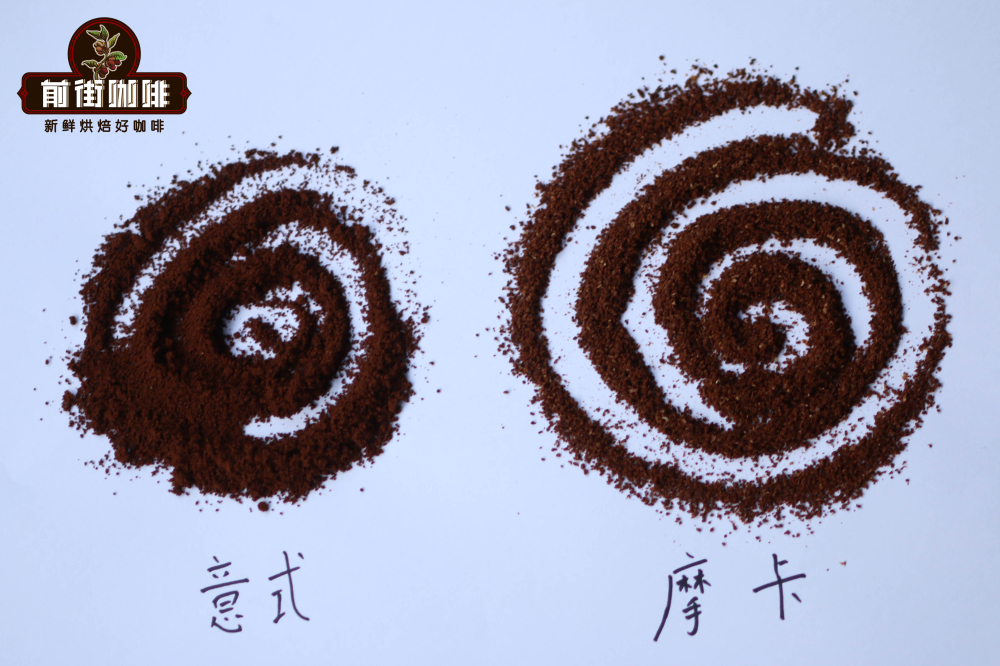 The ideal coffee particle size for a moka pot is approximately between 0.3 to 0.55 millimeters. Such subtle differences are hard to discern with the naked eye, so it’s advisable to use a grind size ruler or moka pot-specific coffee as a reference. You can also test directly: if the grind is too fine, you might hear the water bubbling but see no coffee coming up—turn off the heat immediately. If it’s too coarse, the coffee might gush out like a fountain.
The actual brewing process isn’t complicated. Step one: fill the lower chamber with clean water, keeping the water level about0.5 cm below the safety valve—do not exceed the valve, or you’ll compromise its safety function.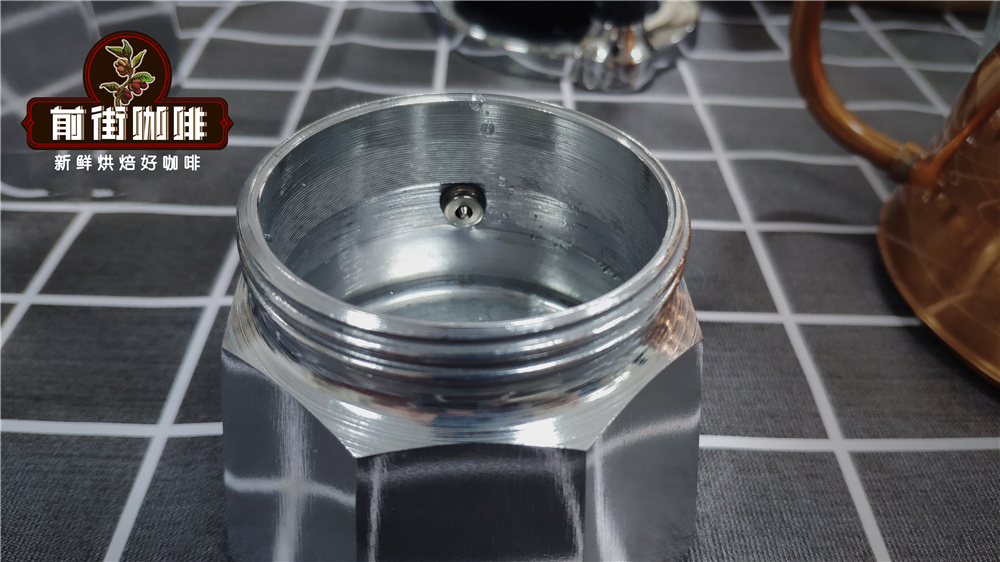 Step two: slowly pour the ground coffee into the filter basket and fill it up. Gently tap the basket to distribute the grounds evenly, then level the mound-like surface through distribution—filling the basket fully and ensuring even density prevents some coffee from being over-extracted and others under-extracted, which could lead to uneven flavor or bitterness. Step three: place the filter basket into the lower chamber, screw the upper and lower chambers tightly, and place the moka pot on an electric stove, heating over high flame.
The next key step is listening. When the pot heats up to a certain temperature and the moka pot starts making a clear hissing sound, immediately switch the stove to low heat and open the upper chamber lid to observe.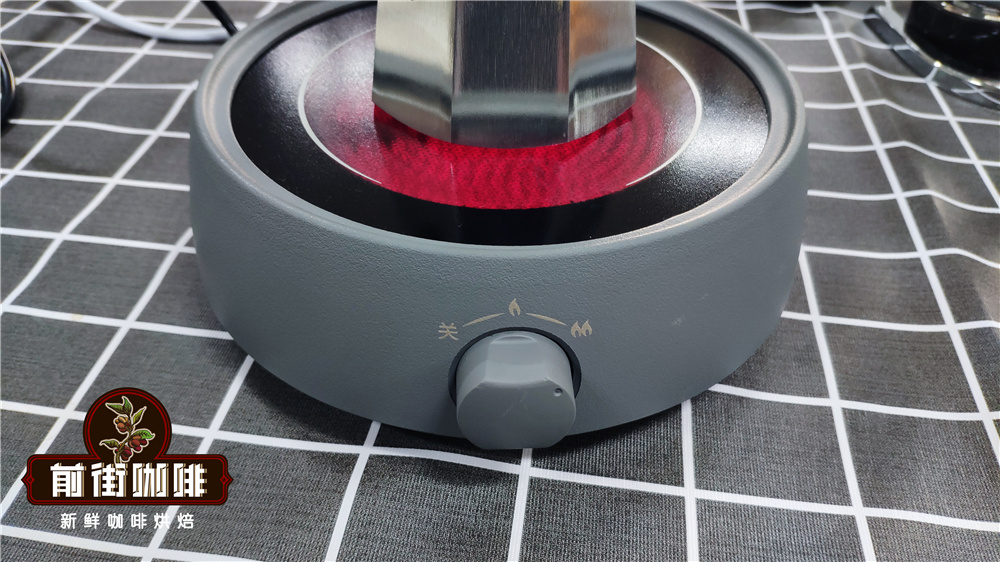 Once about half the coffee has flowed into the upper chamber, turn off the heat. The remaining liquid will be gently “pushed” up by residual heat and pressure, reducing the extraction of burnt, bitter flavors from the later stages.
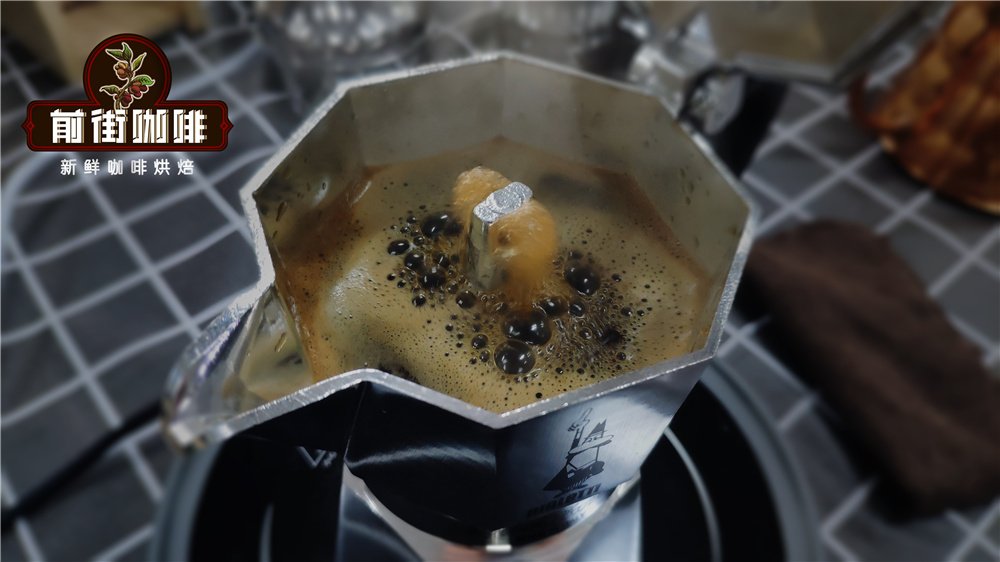
Once all the coffee has been extracted into the upper chamber, you can pour it into a cup and enjoy. Moka pot coffee is very strong and can even produce a layer of crema. If it feels too intense, dilute with a bit of water or milk for a smoother, milder taste. As long as you choose the right beans, get the grind right, and control the flame as described, this humble 1933 invention can definitely become your most reliable at-home espresso solution.
The above content is compiled by CoffeeHunters, a coffee news website.


