







Introduction:Understand the flavor evolution of coffee beans from post-roast to brewing after opening the bag—master the degassing period, optimal drinking window, and storage techniques. This article details the degassing changes, aroma development stages of beans roasted to different levels, and how to schedule your pour over beans according to your personal drinking pace, ensuring every cup showcases the best of pour over coffee.
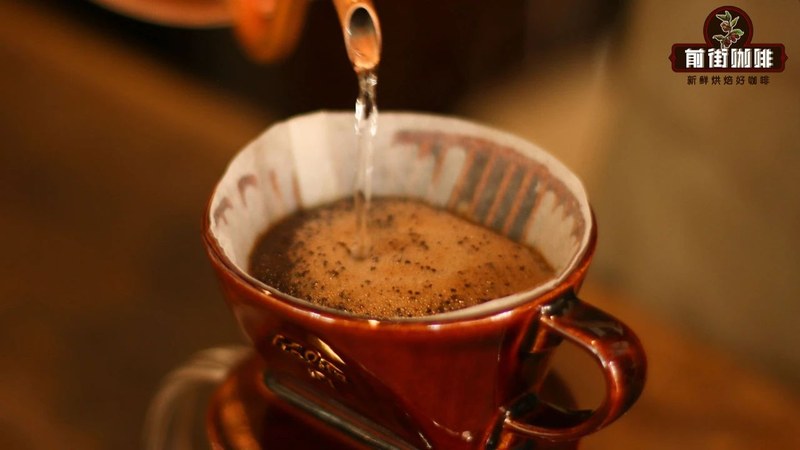
When coffee beans first leave the roaster, they haven’t yet fully released their aromas. At this stage, carbon dioxide continues to be emitted from the core of the beans. Brewing on the day after roasting may cause excessive bubbling during blooming, and water may not evenly penetrate the coffee bed, leading to uneven extraction. Additionally, the cup may present aromas that feel superficial, with sweet and acidic layers not yet integrated. It is recommended to let the coffee beans rest for a while, allowing floral notes, fruit sweetness, and aftertaste to emerge more clearly.
The so-called “best-by” period doesn’t refer simply to an expiration date, but rather to a dynamic range when flavor expression remains relatively vibrant. This time frame starts from the day of roasting and is actually influenced by roast level, packaging airtightness, ambient temperature, and how often the bag is opened. In the early stage of flavor activity, aromas tend to be more tightly concentrated; in the middle stage, sweetness and complexity gradually become richer; by the later stage, although aromas may weaken, the mouthfeel can usually still maintain a certain smoothness.
When selecting pour over coffee beans, consider matching the roast date with your drinking plan. Estimating about 15 grams of coffee per use, a 200g pack can yield roughly 13 cups, making it suitable for consumption over two to three weeks. If you want to try multiple beans at the same time, choosing smaller packages helps control how many you open, ensuring each one can be enjoyed when its aromas are at their freshest.
There is no one-size-fits-all standard for resting time. Generally speaking, light roast beans, due to their denser structure, are recommended to be brewed between 7 to 14 days after roasting; medium-light or medium roast beans often perform well between 4 to 10 days. If the ambient temperature is low or the roast level is lighter, the beans’ flavor development may proceed more slowly. When unopened, it’s advised to keep the original packaging and store it in a cool, indoor place with stable humidity and temperature, which is more conducive to stable flavor development than frequently opening the bag to check.
If you’d like to observe the process of coffee aromas transitioning from tight to open, you might pay attention to some representative beans. For example, a well-known roastery’s Yirgacheffe Guji Dingding is generally suitable for trying around one week after roasting. In the following days, it often gradually reveals citrus peel, red berry, and soft floral notes. When the temperature drops slightly, it may even carry a green-tea-like sweet aftertaste. Brewing with slightly hotter water can also let you experience the subtle shifts in aroma at different temperatures.
For those who enjoy rich tropical fruit aromas, you might try a well-known roastery’s Ethiopian Huakui. This bean often features bright strawberry and passion fruit notes, with lively and vibrant sweetness. It is generally recommended to open the bag 8 to 12 days after roasting, and it can be enjoyed continuously for about two weeks. If the weather is hot, switching to iced pour over can also highlight the fresh expression of fruitiness and sweetness.
If you prefer acidity that is rich and layered, a well-known roastery’s Kenya Little Tomatoes could be a good choice. Its acidity isn’t sharp or one-dimensional, but rather a blend of small tomato, dark plum, and brown sugar complexities. The entry offers a juice-like fullness, while the aftertaste remains clean and crisp. It is suggested to start tasting around 10 days after roasting. Using a hot pour over method and letting it cool slowly makes it easier to notice the shift from bright to rounded acidity and sweetness.
The key to storing beans after opening lies in minimizing the impact of air, heat, light, and moisture. After each use, gently squeeze out excess air from the bag, firmly press the seal, and store the coffee bag in a dark cabinet. Even if the packaging has a one-way degassing valve, there’s no need to frequently transfer the beans into transparent jars. It is not recommended to repeatedly refrigerate the beans, as this may cause condensation or absorption of odors from other foods.
If you purchase in large quantities, you can divide the beans into portions suitable for single or multiple brews after they enter the optimal drinking phase and store them frozen. Be sure to use high-barrier sealed bags, remove as much air as possible, and label the bean variety and date. When using, you can grind directly or keep the package sealed until it returns to room temperature before opening. The key is to minimize repeated thawing of the same batch of beans, keeping the unused portion in a stable state.
You can try arranging your drinking pace in a more observational way. For instance, brew a cup on the day of opening, noting the aromas, sweetness and acidity profile, and aftertaste at that time; then brew again two or three days later to compare whether the gas release from the coffee bed and the sweetness in the cup have changed. If the first few cups feel overly intense in aroma, it’s fine to wait a few more days; if fruity and floral notes become distinctly clear, you can then move into a more concentrated drinking period. There’s no need to adhere strictly to a specific date—instead, adjust based on actual flavor performance.
As time after opening lengthens, the degassing of coffee beans will gradually decrease, and aromas will slowly become more subdued. At this point, you can try adjusting the grind size slightly finer or increasing the water temperature by 1–2°C to help release the remaining flavors. Choosing the right packaging size, planning the opening time according to the roast date, and rhythmically completing your brews within the active flavor window will allow you to fully experience the multi-layered changes of a pour over coffee from its initial opening to its final stages. This is also one of the nuanced joys worth savoring in the pour over process.
The above content is compiled by CoffeeHunters, a coffee news website.


