







Introduction:Although freshly roasted coffee beans are bursting with aroma, they may not yet be in their optimal extraction state. Understanding the degassing patterns and resting periods of coffee beans is key to identifying the ideal time to open a bag for pour over brewing. This article provides an in-depth look at the degassing differences between light, medium, and dark roasts, tips on how to judge their prime drinking window, as well as storage methods that help preserve freshness—taking you on a scientific exploration of the full flavor evolution of coffee.
The moment coffee beans leave the roaster, they already contain a wealth of aromatic compounds, but the process of continuous carbon dioxide release has only just begun. Brewing pour over coffee too soon at this stage can cause the expanded coffee grounds to impede water flow, resulting in uneven extraction and a final cup that might taste tight or lack clarity in layers. Therefore, the roast date isn’t a countdown timer urging you to open the bag—it’s an important reference point for planning your drinking schedule.
When evaluating the optimal drinking condition of pour over beans, it’s recommended to prioritize batches with well-developed aroma profiles, noticeable sweetness, and shorter time since opening. If a product only lists an expiration date without indicating the roast date, it becomes difficult for consumers to determine the current flavor stage. It’s advisable to check the roast date, packaging seal integrity, one-way degassing valve design, and suggested drinking window when making a purchase to get the full picture.
The essence of resting beans is to allow the degassing process to stabilize, rather than simply extending the storage duration. Generally speaking,light roast beans are best tried between 7 to 14 days after roasting—especially for very light roasts or denser beans, which may require 2 to 4 weeks to fully express their characteristics;medium roast beans typically reach a smooth drinking stage around 4 to 10 days;dark roast beans may stabilize even earlier. Please note that these timeframes are only reference points—the actual progression can be significantly influenced by packaging methods and environmental temperature and humidity.
To determine whether the coffee has reached its ideal drinking period, combine observation with tasting: pay attention to the degree of swelling and foam formation during the blooming stage. Aroma concentrated at the surface may suggest that degassing hasn't yet balanced out. When the wet aroma shows a coherent transition, the acidity and sweetness are naturally connected, and flavors remain clear even as the coffee cools, it usually indicates that the coffee is “opened.” On the contrary, if the bloom reaction is weak or the aroma dissipates quickly, it's recommended to consume the coffee sooner.
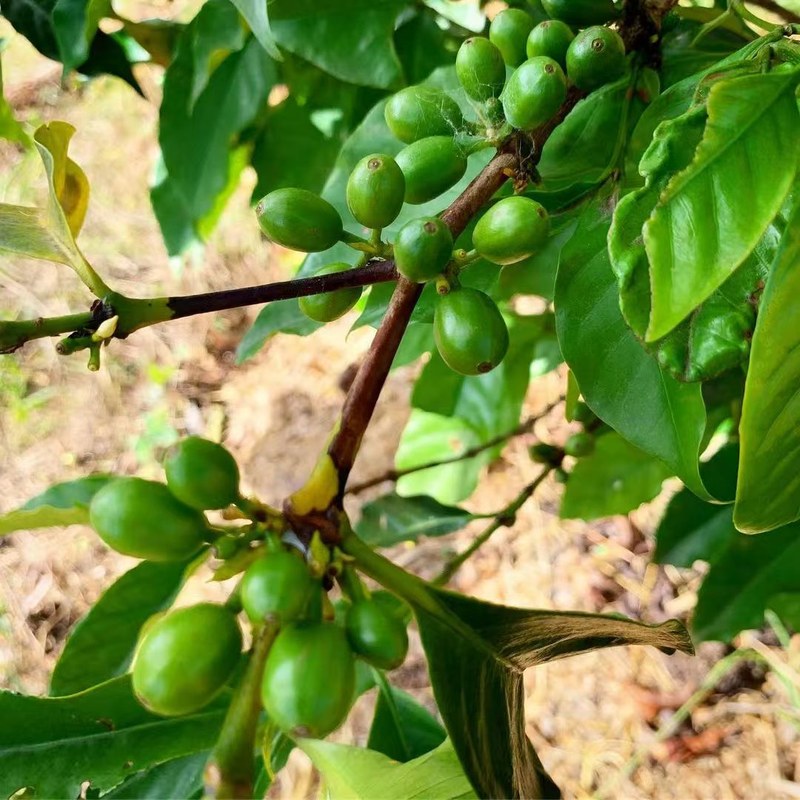
Take the Yirgacheffe Gu Ding Ding as an example—this classic light roast bean offers a highly illustrative flavor development process. In the early stages after roasting, it may present a bright citrus peel character. After a few days of rest, berry sweetness and delicate floral notes gradually emerge, followed by a soft tea-like aftertaste. It’s recommended to brew multiple cups after opening the bag, and record the differences between hot, warm, and cooled states. Comparative tasting can help identify your preferred flavor window more easily.
For beans with delicate aromas, timing the opening of the bag is especially critical. Take the Panama Emerald Estate Red Label Geisha as an example—at its best, it showcases a complex aroma of white flowers, citrus essential oils, and fragrant black tea, with a smooth mouthfeel and distinct layers. It’s recommended to choose small-sized packaging, pre-plan your drinking dates, allow sufficient time for degassing, and enjoy the coffee via pour over after opening. As the temperature drops, observe how the aroma transforms into a sweet and mellow finish.
The flavor development curve doesn’t start or end abruptly—it’s more like a dynamic arc:the early stage sees a gradual release of aroma, the middle stage is when flavors are most vibrant and full, and the late stage trends toward a softer, more subdued finish. Bean varieties with prominent floral and fruity notes are more recognizable at their flavor peak, while those dominated by sweetness tend to have a broader optimal drinking window. It’s recommended to keep a brewing log and compare actual cupping data over fixed days for more reliable estimation.
The amount you purchase should match your consumption frequency. Based on a daily usage of 15 grams of coffee, a 200-gram pack can yield about 13 cups. If you only drink 2–3 times per week, opting for smaller packaging helps ensure the coffee is consumed within 2–3 weeks after opening. If you have multiple types of beans at home, prioritize using those with earlier roast dates that have already completed their degassing. For beans that haven’t stabilized yet, keep them sealed in their original packaging to create a natural sequence of use.
The core principle of storage after opening is to shield the beans from air, heat, light, and moisture. Keep the beans in their original, light-proof packaging with a one-way degassing valve, gently press out excess air after each use, reseal tightly, and store in a cool, dry cabinet. Avoid leaving frequently used beans exposed in the grinder hopper for extended periods, and refrain from repeated refrigeration, as temperature fluctuations can cause condensation that accelerates aroma loss.
If you need to store a specific batch for a long time, you can portion it into single-use servings and freeze it while the beans are in their prime state. The storage container must be tightly sealed and air exposure minimized. When taking the beans out, it’s recommended to grind the whole portion directly or let the package return to room temperature before opening to prevent condensation from forming on the beans. Thawed beans should be consumed according to your near-term plans to avoid repeated freezing and thawing. For stock that can be used up within ten days, this extra step is unnecessary.
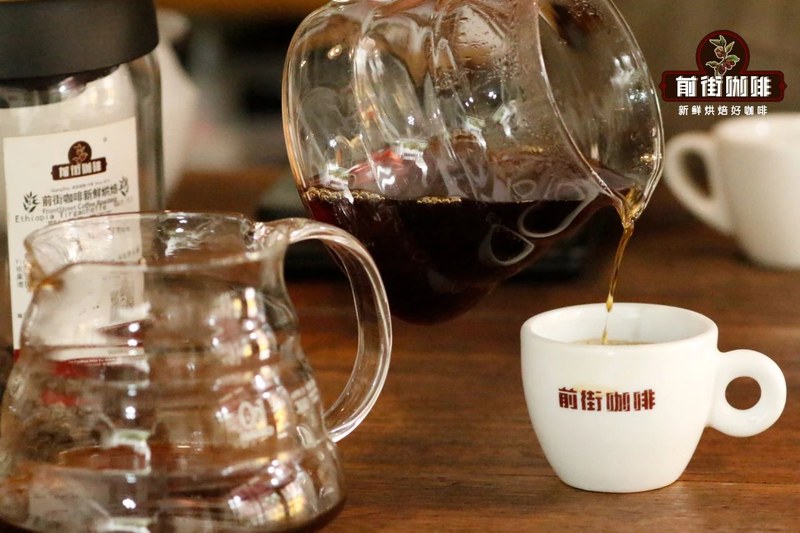
Weighing and grinding whole beans just before brewing can also help extend aroma retention, as ground coffee exposes a much larger surface area to air. In the mid-to-late stages of the drinking window, you might try shortening the blooming time and slightly adjusting the grind size finer to help maintain sweetness—but be cautious with the extent of parameter adjustments. When purchasing, carefully check the roast date, allow enough resting time before opening the bag, and plan your consumption based on how often you drink. With proper care, a bag of pour over beans can fully showcase the flavor journey from bright and fresh to rich and mellow.
The above content is compiled by CoffeeHunters, a coffee news website.


