







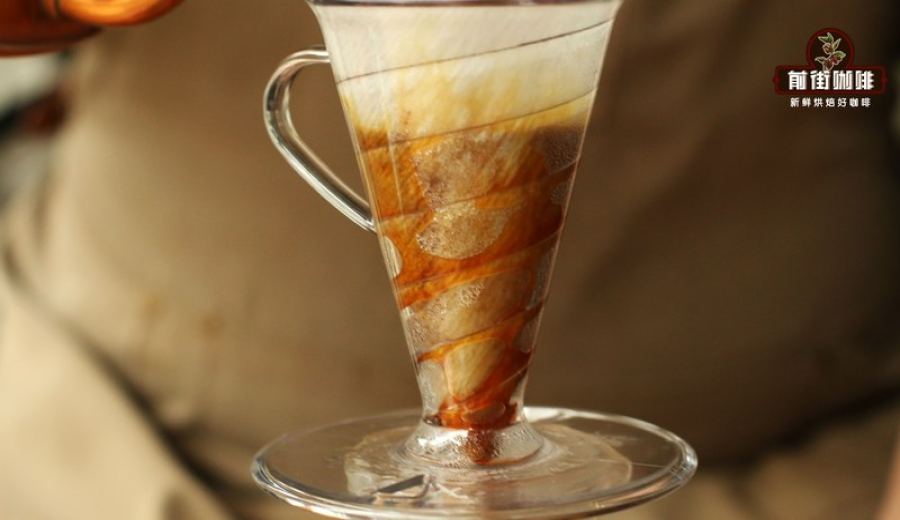
Introduction:The flavor profile of fruity coffee beans can vary greatly depending on the roast level. Light, medium, and medium-dark roasts each offer unique balances of acidity and sweetness, as well as distinct aromatic directions. Understanding how different roast levels influence fruitiness can help you choose coffee beans that better suit your taste—whether you prefer bright, refreshing acidity or rich, intense fruit flavors.
Fruity coffee beans on the market actually come in a variety of flavor expressions, and the term “fruit aroma” alone is far from sufficient. Even beans with fruity notes can present very different personalities based on their roast level. Light roasts often bring a bright, juicy acidity and vibrant aromas reminiscent of freshly squeezed juice, while medium roasts soften the fruit acids, transforming them into rounder, sweeter profiles. As you move into medium-dark roasts, fruit flavors tend to blend with caramel, cocoa, and ripe fruit notes, creating a more layered taste experience. By understanding how roast levels affect flavor, you can more easily select beans that best match your preferences.
If you prefer a refreshing, aromatic, and vibrant cup, you might want to start with light-roast fruity beans. These beans usually retain more of the original characteristics of their origin and variety, featuring bright, nuanced acidity and often expressing notes of berries, citrus, or even tropical fruits. They’re not only great for pour-over brewing but also ideal for making iced coffee—especially recommended for coffee lovers who enjoy savoring the evolving flavors.
However, light roasting doesn’t necessarily mean overly sharp acidity or a thin body.The actual flavor performance is closely related to the brewing method.If the water temperature is too low or the grind size too coarse, the fruit aromas may remain mostly in the olfactory realm, resulting in a thin and overly sharp cup. Adjusting the extraction efficiency appropriately can achieve a better balance between acidity and sweetness. For those who frequently enjoy iced pour-over or cold drip coffee, the vibrant aromas of light-roast beans are often amplified even more noticeably.
If you enjoy fruity flavors but are sensitive to pronounced acidity, medium roast is a smoother alternative. As the roast level deepens, the raw, fresh quality of the fruit gradually transitions into a sweeter, rounder mouthfeel. Common flavor notes include ripe berries, honey-like sweetness, citrus marmalade, and even a soft black tea-like finish. Medium-roast beans work well for pour-over, cold brew, and Americano, making them more approachable for everyday drinking and suitable for consumers seeking balanced flavors.
For example, some medium-light to light-medium roasted beans may exhibit citrus and berry aromas paired with a soft floral background, with a green-tea-like sweet aftertaste in the later sips. When brewed as hot pour-over, the aromas are clear and vibrant, while cold brew softens the acidity—ideal for those who want to explore fruity notes yet prefer a smoother texture.
The hallmark of medium roast lies in how it reconfigures the overall flavor structure of the coffee. The fruitiness may not leap out in the first sip, but it often intertwines closely with caramel sweetness, gentle acidity, and a fuller body. If you’re using an espresso machine to make single-origin (SOE) espresso, medium-roast fruity beans can retain clear origin characteristics; even with a small amount of milk added, the ripe fruit and syrupy sensations still shine through in the cup.
For those who prefer a bold, intense cup, medium-dark roast fruity beans offer another compelling option. In these beans, the fruit flavors often transform into raisin, berry jam, ripe plum, or even the fruity sweetness found in dark chocolate. The acidity is significantly reduced, giving way to a thicker aftertaste and a richer mouthfeel. They’re excellent for espresso, Americano, or as a base for milk-based drinks. In espresso extraction, medium-dark roasts maintain a bold intensity, allowing you to adjust the balance between fruity sweetness and richness according to the milk ratio.
If you enjoy delicate aromas and refreshing tastes, certain medium-dark roast fruity beans can also be surprisingly delightful. For instance, some beans with notes of jasmine, bergamot, citrus, and black tea may not fall into the intense fruitiness category, yet they reveal layers of floral and tea-like nuances behind the fruit. Brewed as a light roast via pour-over, subtle temperature changes can highlight diverse aromatic layers, perfect for savoring every nuanced sip.
When selecting fruity coffee beans, it’s advisable to first check the roast level indicated on the packaging, then consider your preferred brewing method. If you’re after bright fruit acidity and vibrancy, light roast paired with pour-over or iced coffee is ideal. If you prefer a softer sweetness and greater versatility, medium roast is more suitable. For those seeking a bolder cup, a fuller body, or planning to add milk, medium-dark roast provides better support. If the packaging information isn’t clear enough, you can also look for clues in the flavor descriptions—terms like “fresh fruit,” “fruit juice,” “fruit jam,” or “ripe fruit” often indicate the dominant flavor direction post-roast.
Additionally, the resting period after roasting is equally important. Beans of all roast levels need sufficient time for their flavors to stabilize. During brewing, it’s recommended to maintain consistent grind size and water temperature, adjusting your extraction strategy based on roast level: for light roasts, you might start with higher extraction efficiency to enhance sweetness; for medium roasts, observe whether the overall mouthfeel is rounded; for medium-dark roasts, pay attention to whether the aftertaste becomes overly bitter or dry. With these fine-tuned adjustments, you’ll be better able to appreciate the unique character of each fruity coffee bean.
In summary, choosing fruity coffee beans can start with imagining your ideal “state of fruit”—whether it’s as crisp and bright as fresh fruit, as soft and sweet as fruit sugar, or as rich and full-bodied as fruit jam or cocoa. Roast level serves as a key thread that connects flavor, brewing method, and mouthfeel. Following this thread will lead you to a fruity coffee that truly matches your taste.
The above content is compiled by CoffeeHunters, a coffee news website.

