







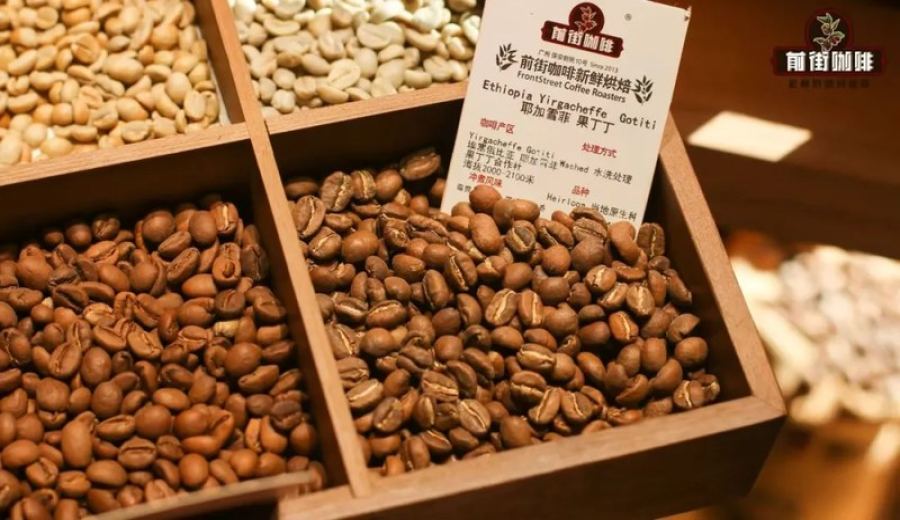
Introduction:Want to experience the freshness and sweetness of tropical fruits in your coffee? The key lies in the roast level. This article will guide you through selecting tropical fruit-flavored coffee beans from light roast, light-medium, medium roast to medium-dark roast based on your taste preferences, along with practical pour over and cold drip brewing tips so you can enjoy fruity coffee at home.
If you enjoy the brightness and vibrancy of tropical fruits in your coffee, then "roast level" is one of the most important indicators when choosing beans. Different roast depths not only affect aroma expression but also alter the balance of acidity and sweetness, as well as the overall flavor profile. By understanding the characteristics of light to medium-dark roasts, you can more precisely find the fruity coffee that suits your palate.
Generally speaking,Light Roastpreserves the most original characteristics of the bean, including bright citrus acidity, juiciness, and floral notes. It’s ideal for coffee lovers who prefer a clean, refreshing taste and value the nuances of pour over brewing. As the roast deepens to light-medium or medium, fruit acidity becomes softer, while sweetness and body become more pronounced, and ripe fruit aromas become richer. Once you reach medium-dark roasts, the once-clear tropical fruit acidity gradually transforms into intense caramel sweetness, cocoa, and nutty flavors. The fruity notes may evolve into dried fruit or syrupy sensations, making it better suited for those who enjoy fuller-bodied coffee and milk-based drinks.
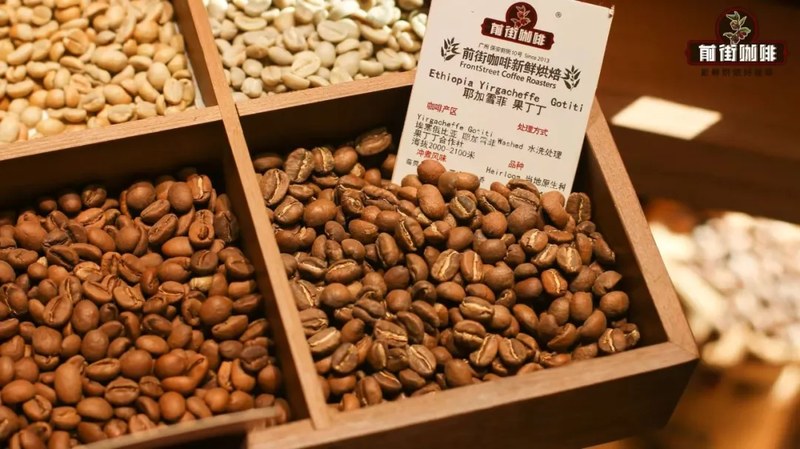
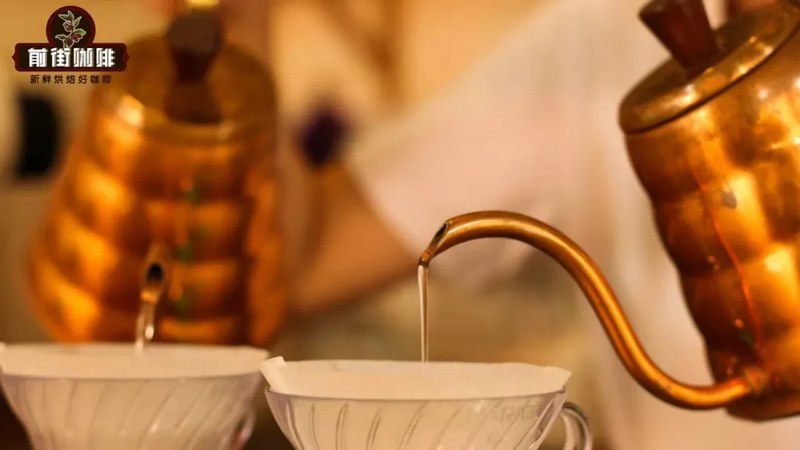
For those who prefer to enjoy tropical fruit-flavored coffee using thepour over method,light roast beans are an excellent choice. We recommend using a slightly higher water temperature (around 90–93°C) with a gentle and steady pouring technique to help bring out the bean’s inherent aromas. If you find the brewed coffee too sharp in acidity, try slightly adjusting the grind to a finer setting or extending the bloom time a bit to allow sweetness to balance the acidity. Additionally, if you prefer cold beverages, cold pour over is also a great option, as lower temperatures highlight the freshness of the fruit aromas—like sipping a caffeinated fruit juice—making it perfect for summer enjoyment.
Takelight roast coffee beans as an example. A well-known brand, Ethiopia’s Huika, is often mentioned. Its aroma profile often includes notes of passionfruit, strawberry, and other tropical fruits, with a lively sweetness and distinct layers. For brewing, a medium-fine grind is recommended, using a pulse pouring technique to allow each pour to extract different levels of fruit and floral notes. When made as a cold pour over, the fruit aroma becomes even more vibrant and lively, which is particularly appealing to those who enjoy bright, sweet and sour profiles.
Additionally, another light roast bean, Yirgacheffe Guddina, leans more toward a refreshing style. This bean strikes a perfect balance with citrus, berry, and white floral notes, and finishes with a hint of green tea-like crispness. During brewing, maintain a stable water flow to avoid excessive agitation that could impact extraction consistency. If you prefer a softer acidity, you might also try cold brew—a long, low-temperature extraction method that results in a smoother overall mouthfeel and clearer fruit layers.
But be mindful,light roast coffee is highly sensitive to brewing variables,including water purity, uniformity of grind size, and control over extraction timing. If your brewed coffee has sharp acidity without enough sweetness, it could be due to low water temperature, overly coarse grind, or under-extraction. It’s best to adjust one variable at a time and re-evaluate the coffee once it has cooled to room temperature, allowing for a more accurate assessment of flavor changes and helping you find the optimal extraction method.
When we move slightly up the roast scale to between light-medium and medium roast, the flavor of tropical fruits shifts from "bright and crisp" to "ripe and rich." Acidity is no longer the dominant note; instead, softer sweetness and fuller body take the lead. These beans are especially suitable for those who want to enjoy fruity notes without the black coffee tasting too thin. In terms of brewing, we recommend a slower, steadier pour to enhance the coffee's body and layered complexity.
For example, Panama’s Emerald Estate Red Label Geisha, a representative bean in this range, does not emphasize explosive fruitiness but rather offers delicate jasmine, bergamot, citrus, and subtle black tea aromas. It has a clean, smooth mouthfeel with a long finish. Using a filter cone and brewing at a medium temperature (around 88–90°C), the aroma evolves with temperature—from fruity and floral when hot to tea-like and citrusy aftertaste when cooled, showcasing rich layers.
If you’re more accustomed to milk-based coffee, then medium-roasted tropical fruit-flavored beans are a more approachable choice. This roast level retains some fruit character while offering a fuller body and noticeable sweetness, which won’t be completely masked by milk. When making lattes or cappuccinos, consider reducing the milk ratio to let the coffee’s personality shine, or add ice to create a refreshing fruit-flavored iced latte—perfect for summer sipping.
As the roast deepens further to medium-dark, the acidity of tropical fruits usually fades, giving way to flavors of ripe fruit, dried fruit, or even syrupy sweetness, accompanied by cocoa, nuts, and subtle roasty notes. These beans typically have a rich, full-bodied mouthfeel, making them ideal for those who enjoy smooth, rounded flavors and milk-friendly coffees. If you’re a fan of bright fruit acidity and fresh citrus notes, dark roasts may not be your first choice. But if you love bold, chocolatey-finished coffee, medium-dark roasts can offer a uniquely satisfying experience.
In summary, when purchasing tropical fruit-flavored coffee, don’t judge solely by whether it “tastes good.” Instead, use “roast level” as a coordinate for exploring flavors. If you seek clear floral and fruity aromas with distinct sweet and sour contrasts, start with light roast. If you prefer a balanced expression of fruitiness and sweetness, look into the light-medium to medium roast range. If you favor a fuller, smoother, and milk-compatible profile, consider medium-dark roast and adjust brew time to manage bitterness. With the right roast depth, the rich aromas and flavors of tropical fruits can be perfectly expressed in your cup.
The above content is compiled by CoffeeHunters, a coffee news website.

