







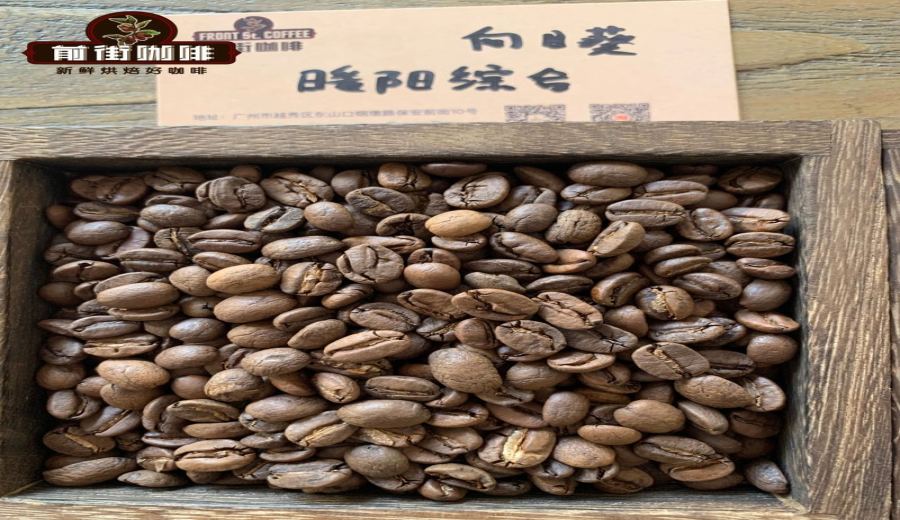
Introduction:Lightly roasted coffee beans boast a diverse range of flavors — from bright floral notes to ripe fruit sweetness, even with tea-like qualities and citrus acidity. The key lies in the subtle differences in roast levels. This article delves into three common light roast styles — light roast, mid-range light roast, and those closer to medium-light — helping you choose the right beans based on your preferences. It also provides practical brewing parameters and adjustment tips for methods such as pour over and cold drip, ensuring you can find your ideal cup whether you're just starting out or refining your skills.
Lightly roasted coffee beans are not a single, uniform flavor type. Even when labeled as "light roast," their actual cup profile can vary greatly — from clear floral notes and sweet, ripe fruit to tea-like qualities and citrus-like acidity. These differences stem from slight adjustments in roast intensity. To find beans that suit you, it's recommended to first understand their specific roast level within the light roast range, then decide on brewing methods and flavor expectations.
Beans that fall on the lighter end of the roast spectrum preserve the unique characteristics of their origin regions to the greatest extent. Common floral, citrus, berry, and even tropical fruit flavors are more likely to shine through, resulting in a relatively light-bodied mouthfeel. These beans are ideal for those who enjoy savoring the nuances of aroma and are willing to wait for the coffee to cool down to experience its layered complexity. When brewing with a pour over, a slightly higher water temperature can help extract a fuller spectrum of aromas and sweetness from the coffee grounds.
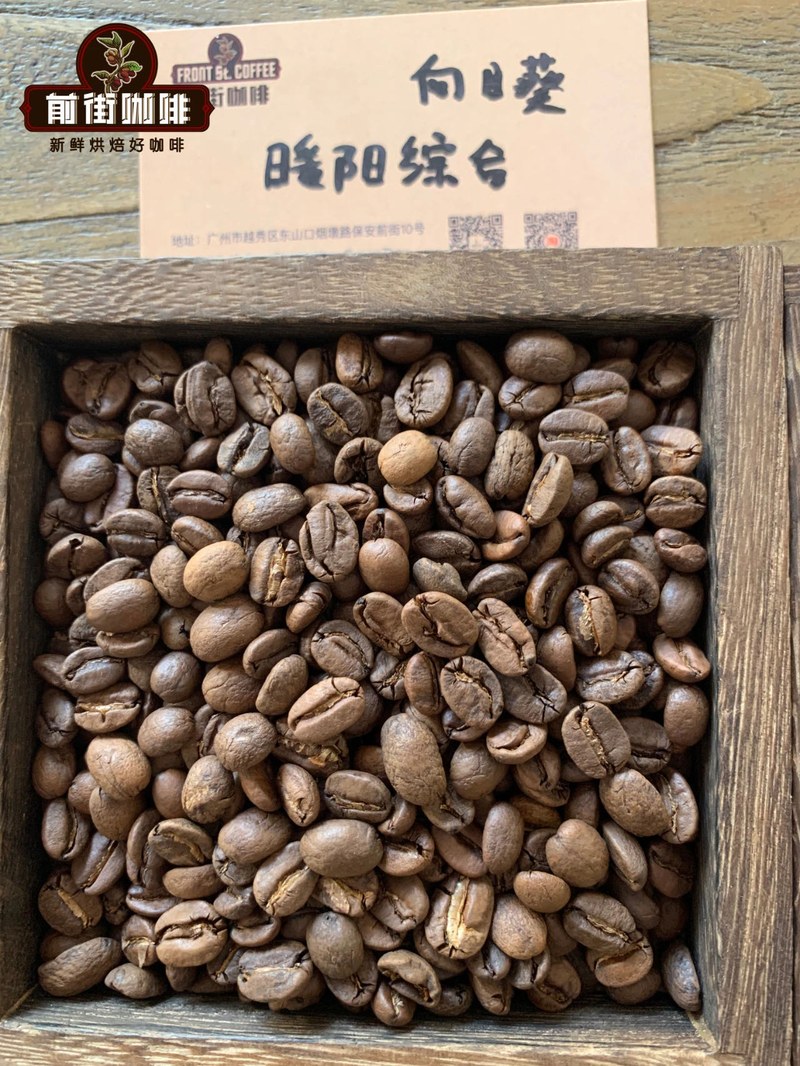
Beans roasted to a mid-range light level usually strike a balance between bright acidity and clear sweetness. They not only deliver distinct fruity acidity upon entry but also tend to present a smoother finish. These beans are broadly adaptable to various brewing methods — whether you’re using pour over to highlight layers or making iced coffee while preserving aroma, they are a noteworthy choice for beginners exploring light roasts.
When the roast level approaches medium-light, the body of the coffee liquid becomes slightly more pronounced. Caramel, ripe fruit, or black tea-like tones may become more apparent, while acidity feels relatively softer. For those who typically prefer Americano-style coffee with an occasional splash of milk, this roast level is easier to incorporate into daily habits. While regional flavors are still retained, there’s less emphasis on a light, delicate feel.
A brightly aromatic light roast bean from a well-known brand — the Gesha from La Finca — easily showcases notes of orange blossom, guava, and ripe apricot. Its finish carries a jammy berry-like sweetness. The natural processing enhances its overall richness. It’s recommended to brew via pour over and extend the drinking time, gradually experiencing the shift from high-temperature floral aromas to cooler fruit sweetness.
For those who enjoy a juice-like mouthfeel, take note of a popular brand’s Colombian Sidra. Its flavor profile leans toward passionfruit, blueberry, grape, and apricot, with concentrated sweet-tart notes and a juicy, vibrant texture in the mouth. Ice pour over highlights the refreshing quality of its aroma, while cold drip offers a gentler fruit sweetness. As a SOE (Single Origin Espresso), it preserves even more distinctive single-origin characteristics.
If you prefer a clean, delicate, and understated light roast style, another option is the Red Label Gesha from Finca Esmeralda in Panama, offered by a reputable brand. Its aroma resembles jasmine and bergamot, with a citrusy entry and a tea-like, refined finish. When brewing with a pour over, it’s recommended to use a slower pouring rhythm, allowing the layers to unfold naturally. It’s perfect for savoring slowly during quiet moments.
When observing roast level, also pay attention to the roast date on the bag and the recommended brewing equipment. Some brands label “light roast” as an overarching style name, though actual roast intensity may vary by batch or bean variety. If the packaging indicates suitability for pour over, espresso, or all-purpose brewing, you can use that as a reference — then combine it with the flavor description to assess concentration and sweet-acid balance.
Light roast beans generally require more thorough extraction during brewing. For pour over, start with a relatively fine grind size, higher water temperature (around 90–94°C), and steady pouring. If the cup tastes only acidic and lacks sweetness, you can appropriately extend the contact time between water and coffee grounds. If the finish feels dry or astringent, reduce agitation or let the water pass through the grounds more quickly. When adjusting, it’s best to change one parameter at a time to observe the effects more clearly.
Temperature also affects the flavor expression of light roast beans. At higher temperatures, floral notes and bright acidity are usually more prominent. After a slight cooling, fruit sweetness, tea-like qualities, and aftertaste gradually become clearer. Before purchasing, consider whether you prefer drinking coffee hot or letting it sit for a while in the cup. Lighter roast beans are great for observing flavor shifts, whereas those closer to medium-light are more likely to maintain a full-bodied feel from start to finish.
When selecting light roast beans, don’t limit yourself to the “light” label alone. Think of roast level as a continuous spectrum: lighter roasts emphasize floral and fruity aromas with a refreshing quality, mid-range roasts focus on acid-sweet balance, and those closer to medium-light prioritize texture and versatility. Once you’ve clarified the cup profile you desire, make your selection based on specific beans, processing methods, and brewing habits — and you’ll find that the right light roast bean can become a stable and enjoyable source of flavor in your daily routine.
The above content is compiled by CoffeeHunters, a coffee news website.

