








Introduction:The roast level of coffee beans not only affects flavor expression but also determines the most suitable brewing method. From the fruity and floral notes of light roasts to the bold richness of dark roasts, each roast style has its own unique charm. This article will guide you through the characteristics of different roast levels, analyze differences in brewing parameters, and recommend starting points for beginners—helping you find the coffee type that best suits your taste.
The roast level of coffee beans is one of the key factors influencing flavor presentation. Simply put, the lighter the roast, the more it preserves the bean’s original origin characteristics, often featuring bright acidity and fresh aromas; medium roasts typically achieve a better balance between acidity, sweetness, and body; while dark roasts highlight intense flavors such as cocoa, nuts, and smoky notes. For those new to coffee, these flavor profiles offer a good starting point for identifying your preferred taste direction.
Light roasted coffee usually requires a more delicate extraction approach,and it's recommended to use higher water temperature (around 90–94°C), a slightly finer grind size, and maintain a steady flow rateto help bring out floral and fruity aromas along with layered complexity. If the brewed coffee tastes overly sharp or the aroma dissipates quickly, it may be that soluble compounds haven’t been fully extracted—you might tryslowing down the pouring speed or extending the brew time. For those accustomed to instant coffee, the acidity of light roast isn’t a sign of spoilage, but rather an expression of vivid flavor. To experience the origin characteristics of light roast coffee, try pour-over beans with tropical fruit notes—these beans often reveal bright floral scents in the first brew, with ripe fruit and sweet undertones emerging as the cup cools. For pour-over, we recommend using a medium-fine grind with a pulse pouring technique to better perceive shifts in flavor layers.
Light roasts aren't limited to hot pour-over; for example, some bright and fruity light roast beans are also great for cold pour-over or cold drip.Low-temperature extraction can render acidity and sweetness more crisp, while cold drip can extract even more concentrated fruit-like flavors. If you’re using an espresso machine, you can also make a light roast single-origin espresso that delivers standout flavors.
Medium roast is the daily favorite for many coffee enthusiasts. This roast range doesn’t overly mask origin traits, while still bringing out sweet tones like caramel, ripe fruit, or cocoa, resulting in a generally rounder and smoother mouthfeel compared to light roasts. For pour-over,we recommend using medium water temperature (around 88–92°C) and a regular grind size; if you want to prepare Americano, you can moderately increase the coffee liquor concentration so that the sweetness remains noticeable after dilution. Medium roast is quite friendly for those who enjoy black coffee but occasionally add milk—it doesn’t rely on strong acidity for support, and as long as the extraction is stable, you’ll immediately taste a gentle sweetness and moderate body. When selecting, remember to check the roast date and clear roast level labeling on the package, which will help you fine-tune water temperature and grind settings more accurately.
Moving further into dark roasts, the beans become noticeably darker in color, sometimes showing surface oils, and the flavor focus shifts toward dark chocolate, roasted nuts, caramel, and a hint of smokiness. Dark roasts are ideal for those who prefer lower acidity and a fuller mouthfeel, and they work especially well with moka pots, espresso machines, or in milk-based coffee drinks. During extraction,there’s no need to aim for excessively high temperatures, as this can amplify bitterness and dryness.
When used in milk-based coffee, the body and intensity of dark roast beans can effectively cut through the milk, keeping the coffee’s flavors distinct and recognizable.If using a moka pot, it’s recommended to let the coffee grounds lie flat naturally—avoid pressing them down too firmly; once the brewed liquid begins to lighten in color, stop heating promptly to better preserve the sweet notes of cocoa and nuts. Those who prefer Americano can also reduce the amount of water used for dilution to achieve a richer mouthfeel.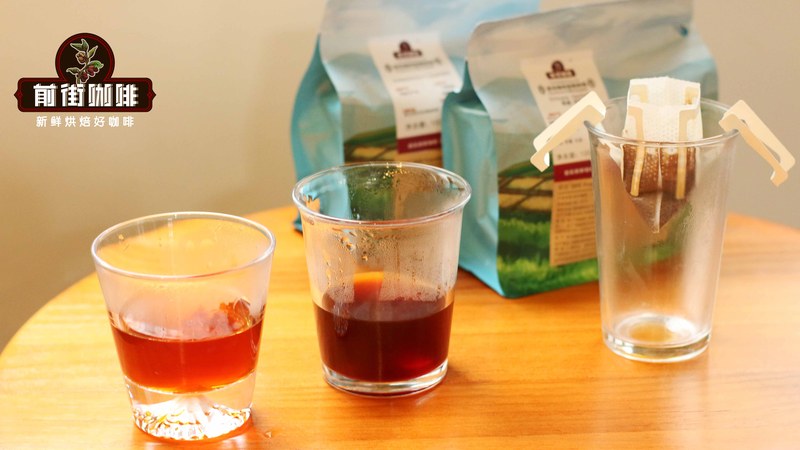
It’s worth noting that there’s no absolute good or bad when it comes to roast levels—the key lies in whether it aligns with your personal taste expectations. If you enjoy floral, vibrant, and complex acid-sweet profiles, start by exploring light roasts; if you prefer balanced and easy-drinking everyday coffee, medium roast is a more approachable choice; and if you lean toward bold, low-acid flavors and milk-based pairings, dark roast will better meet your needs. Additionally, coffee flavor is also influenced by processing methods and freshness—even within the same roast range, different bean varieties can exhibit quite varied profiles.
If you’re still unsure about your preferences, consider starting with small sample packs of light, medium, and dark roast beans. Brew them using similar brew ratios, then compare their aromas, acid-sweet profiles, body, and aftertaste. Light roast lets you experience brightness and vibrancy, medium roast offers balance and sweetness, while dark roast brings a grounded and rich flavor experience. Once you find a style you’d love to revisit, you can gradually explore more diverse profiles and begin your own coffee discovery journey.
The above content is compiled by CoffeeHunters, a coffee news website.

