







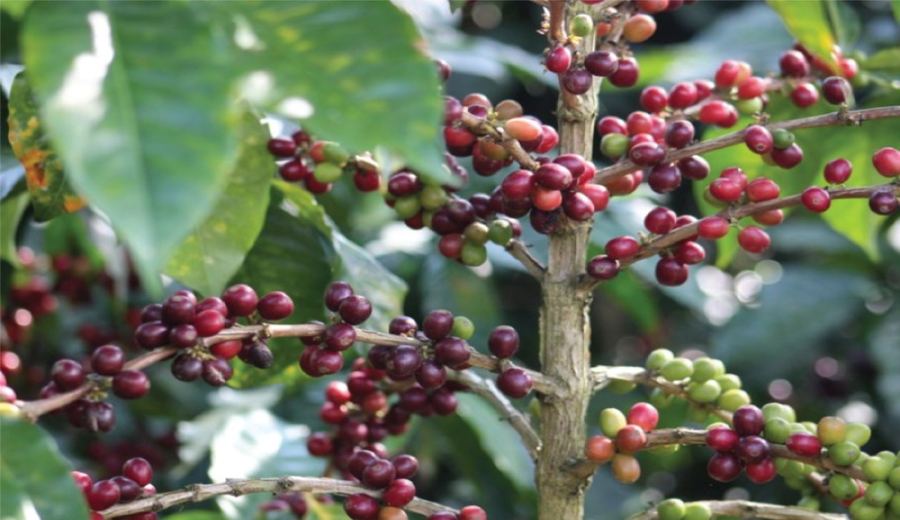
Introduction:Choosing the right roast level for your coffee beans can help you quickly identify your preferred flavor profile. This article features an actual tasting of three coffee beans with varying roast depths—from light to medium-dark—and analyzes their differences in aroma, acidity-sweetness balance, and extraction performance. It also provides practical pour-over suggestions and parameter references to help you select the most suitable everyday beans based on your drinking occasion and taste preferences.
The roast level of coffee beans is one of the key factors influencing flavor expression. Light roasts highlight the unique terroir and processing details of the origin, medium roasts strike a balance between acidity and sweetness, while dark roasts often deliver a rich and bold taste, catering to those who prefer stronger flavors. Whether you're just starting out or already have some experience, understanding the characteristics of different roast levels can help you choose coffee more precisely.
Light-roast coffee typically retains more floral and fruity notes, with flavors reminiscent of fresh juice or tea after brewing—bright on the palate and clean and crisp in the finish. These beans are especially well-suited for pour-over or iced pour-over methods, which can fully showcase their delicate layers of aroma. If you prefer citrus, berry, or floral flavors, opt for single-origin beans with a lighter appearance and clear flavor descriptions, and use sufficient water temperature and extraction time to bring out their best qualities.
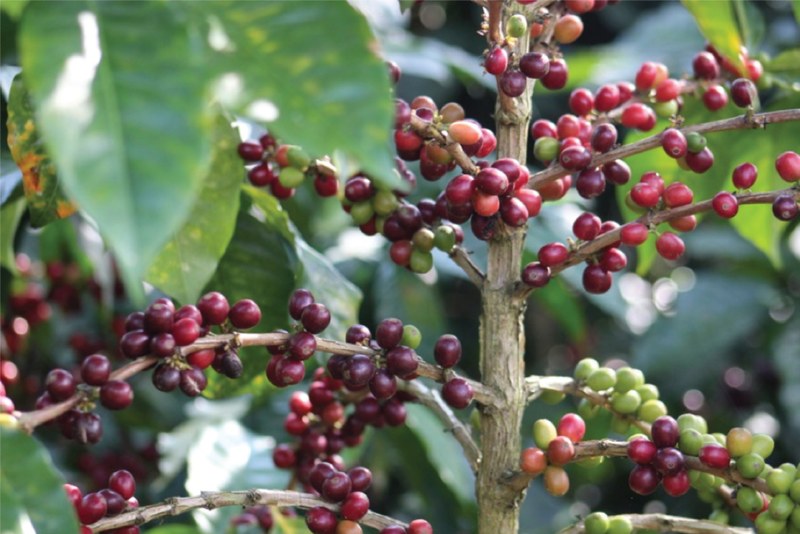
Among light-roast types, there’s one particularly distinctive bean whose acidity lies between ripe tomato and dark plum, followed by a gentle sweetness akin to brown sugar. The overall flavor is bright yet not sharp. When brewing with a cone-shaped filter, it’s recommended to set the grind size to a medium range, use slightly higher water temperature, and employ a pulse pouring technique to help bring out a juice-like refreshing taste—perfect for relaxed morning or afternoon sipping.
The appeal of this bean lies in its ability to express clear flavors while maintaining enough sweetness to support the cup. Fans of pure black coffee can experience its acidity-sweetness transition through hot pour-over; in hot weather, increasing the concentration moderately and switching to iced coffee will make the fruit flavors even crisper and more refreshing. If the acidity feels too high, try fine-tuning the grind size or extending the bloom time to better integrate the sweetness into the overall flavor, resulting in a smoother mouthfeel.
Medium-light to medium roasts are the daily go-to for many coffee enthusiasts because beans in this range don’t overly emphasize acidic brightness, nor do they let the roast character overshadow the beans’ inherent traits. Common profiles include a harmonious blend of fruity sweetness, caramel notes, and tea-like undertones. For those transitioning from dark roasts to single-origin beans, this style makes it easier to establish clear flavor references—whether brewed via pour-over or used for iced coffee, it maintains solid overall performance.
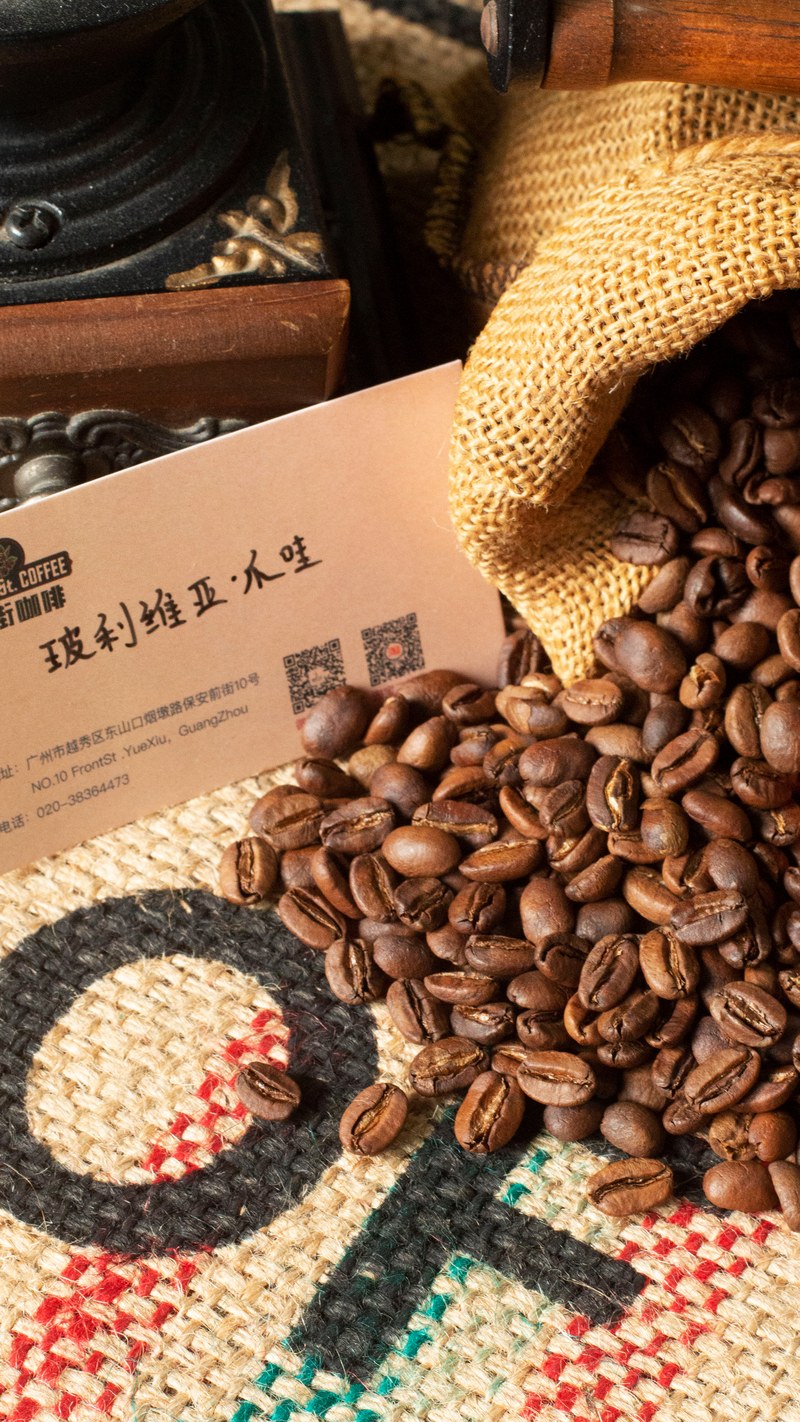
In this range, one bean stands out with a bright, orange-like sweetness at the start, mid-palate notes of ripe apricot, and a soft, tea-like finish. It feels light when hot, with sweetness gradually emerging as it cools. Pour-over doesn’t require chasing high concentration; a gentler pouring rhythm helps the fruity, sweet, and aftertaste notes unfold naturally.
Ideal for those seeking balance, this bean can be brewed slightly stronger as a daily Americano. For a lighter mouthfeel, reduce the coffee dose or add ice cubes. Its strength lies in presenting different profiles from hot to cold, avoiding monotony during extended drinking sessions. For frequent coffee drinkers, this gradual layering often feels more companionable than a single intense aroma.
Medium-dark roasts typically place sweetness and mouthfeel more prominently, with acidity rendered more rounded and the cup feeling fuller on entry. If you’re a milk coffee drinker, focus on its caramel, cocoa, or nutty undertones. If you prefer black coffee, opt for a medium-dark roast that still retains fruitiness, allowing the coffee’s individuality to shine beyond the milk. For brewing, start with moderate water temperature and a balanced grind for stable results.
One particular bean is perfect for those wanting intense aromas within a light-roast style—it offers orange blossom and ripe fruit notes, with flavors akin to guava and apricot on entry, followed by a berry jam-like sweetness in the later stages. Due to its sun-dried processing, the flavor density is high, so it’s recommended to control pouring intensity during pour-over to avoid excessive agitation, helping distinguish the subtle shifts between floral, fruity, and fermented notes.
This bean is ideal for weekends or when you have ample time to enjoy it fully, and it also works well as an iced pour-over to make the jam-like texture even more vibrant. Its flavor memory is strong, making it a great rotation option alongside your everyday beans. If the aroma feels too concentrated, slightly increase the water volume; if you prefer a fuller body, reduce the water slightly to adjust to your desired concentration.
Medium-dark roasts emphasize a robust texture of roasty, cocoa, and nutty notes, with acidity usually more restrained, resulting in a cup feel closer to espresso or traditional milk coffee. These beans are perfect for those seeking a quick path to a stable flavor, and they pair well with milk, syrups, or breakfast foods. When selecting, look for clear sweetness; note that a dark roast color doesn’t mean bitterness—extraction methods greatly influence the final flavor expression.
If you own both pour-over and espresso equipment at home, you can plan different uses based on roast depth: light roasts for floral and tea-like notes, medium roasts as all-day options, and dark roasts dedicated to espresso and milk coffee. This bean setup isn’t simply about grading flavors but aligning each roast style with the most suitable brewing method and context. Finding a bean that’s easy to drink and worth savoring repeatedly naturally leads to a steady repurchase habit.
The above content is compiled by CoffeeHunters, a coffee news website.

