







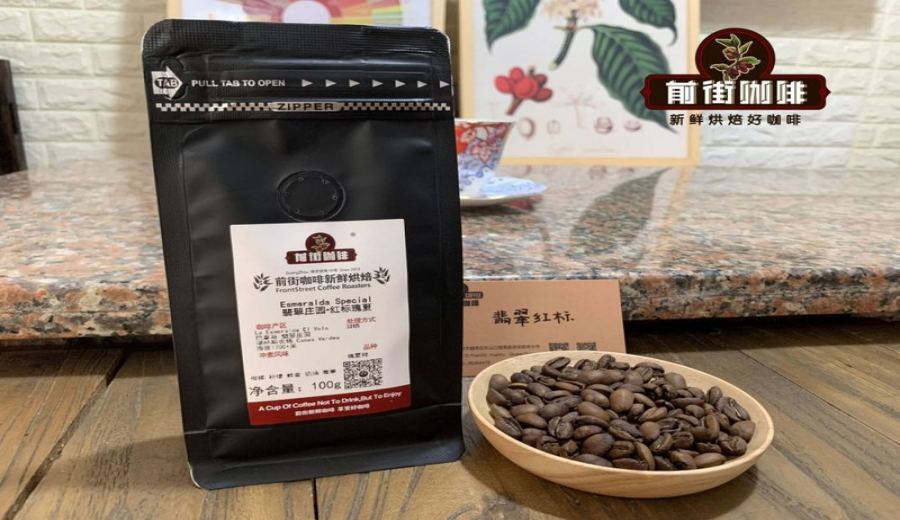
Introduction:The flavor of dark roasted coffee beans is not monolithic but reveals diverse layers as the roast level deepens. From medium-dark to dark roast, acidity gradually diminishes while caramel, cocoa, and nutty notes become increasingly prominent. The mouthfeel also transitions from bright to rich. This article will help you understand the characteristics of different roast depths, master how to choose the right beans based on your drinking preferences (such as pour over, espresso, or milk-based beverages), and provide practical extraction and storage tips.
Dark roasted coffee beans don’t have just one flavor profile. As the roast progresses from medium-dark to dark, the fruity acidity in the coffee gradually fades, making way for more pronounced nutty, cocoa, caramel, and even roasted aromas. The overall mouthfeel also shifts from light to full-bodied. If you’re looking to find the right dark roast for yourself, it’s a good idea to first understand the traits of different roast depths, then make your choice based on the flavor aspects you value—such as aroma complexity, sweetness richness, or bold and solid mouthfeel.
Medium-Dark Roast: The Ideal Starting Point for Beginners
Medium-dark roast is the preferred choice for many coffee enthusiasts when first trying dark roasted beans. At this roast level, some of the unique terroir characteristics of the origin are preserved, while also delivering noticeable caramel sweetness and nutty tones. When brewed as black coffee, it doesn’t taste overly thin; and if a small amount of milk is added, the coffee’s main flavor remains distinct. If you often switch between pour over and espresso brewing, medium-dark roast is usually the easiest to adapt to and is more approachable than choosing beans with an extremely dark color.
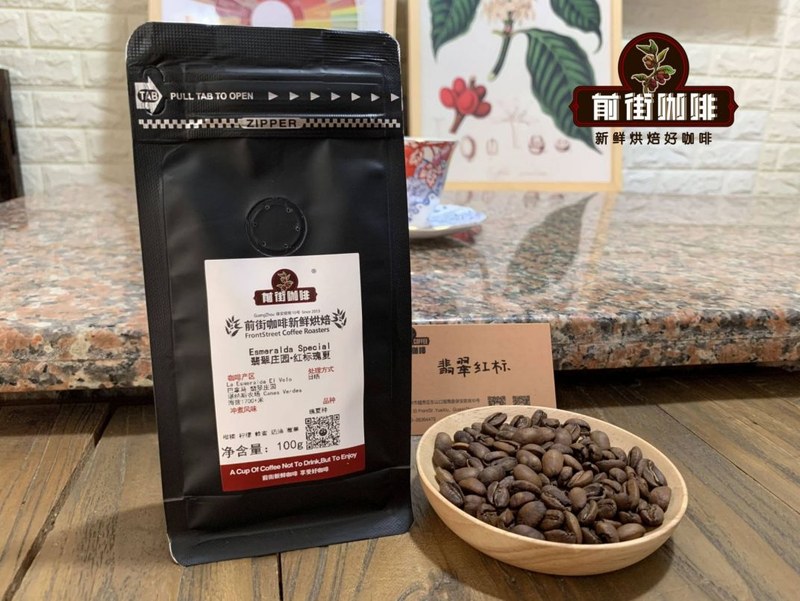
For example, a bean with a medium-dark roast style often delivers a mild and balanced overall performance. It feels round on the palate, with soft sweetness that doesn’t overwhelm, and the acidity remains restrained, not overshadowing other flavors. When extracted through a pour over dripper, it can showcase a harmonious blend of nutty, cocoa, and gentle woody tones. Even when made into Americano, it maintains a smooth mouthfeel, making it very suitable for drinkers who prefer low-acidity black coffee.
Dark Roast: Expressions of Bold Roast and Richness
As the roast level deepens further, the aromatic characteristics of the beans shift from origin-specific traits to more roast-forward notes. Common flavors at this stage include dark chocolate, roasted nuts, caramel, and even subtle smoky undertones. The flavors become more concentrated on the palate, and the aftertaste feels more substantial. This stage of dark roast beans is especially suited for consumers who prefer a distinct coffee flavor with low acidity. When used for espresso, they can also provide a stable and full-bodied base for milk-based drinks.
When selecting dark roast beans, you can observe whether the bean surface has a uniform dark color and whether the surface oil sheen is apparent. It’s important to note that dark color does not necessarily mean bitterness, and an oily surface is not the only indicator of quality. What truly affects the taste of a cup of coffee also includes the roast curve design, the bean’s original density, and the final extraction method. For those new to dark roast, it is recommended to start with beans that have a relatively dark color but no obvious burnt or scorched aromas. These beans can usually present a more complete flavor structure.
French Roast & Heavy Roast: The Pinnacle of Intense Roasting
Going a step further than typical dark roast leads to what is considered French roast or heavy roast style. By this point, fruity and floral aromas mostly take a backseat, while caramelization reactions and deep roasting notes dominate. The overall mouthfeel becomes thick and intense, making it highly suitable for espresso, moka pot brewing, or milk-heavy drinks. If using a pour over dripper for such beans, consider lowering the water temperature and shortening the extraction time to help suppress excessive bitterness while preserving the sweet notes of cocoa and nuts.
It’s worth noting that even within the same dark roast level, different coffee varieties may still exhibit vastly different flavor profiles. For instance, a bean with bright berry and tropical fruit notes might display a lively juiciness in light to medium roast stages. But when processed with a dark roast, it becomes better suited for observing how roast level alters the flavor profile. Additionally, some beans may show floral, citrus, and berry notes in light roast and feel especially refreshing as cold drinks. If you prefer the bold mouthfeel of dark roast but don’t want to completely sacrifice aroma complexity, you can opt for a medium-dark roast version that retains some origin character, and use gentler water flow control to bring out sweetness and body.
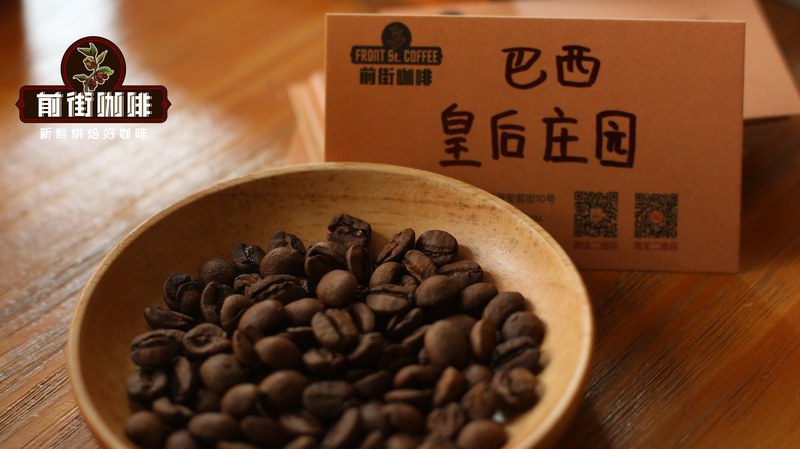
Choosing the Right Roast Depth Based on Brewing Method
If you’re aiming for a clean, smooth, and flavor-clear black coffee, medium-dark roast is usually the safer choice, balancing aroma and sweetness. If your goal is to make espresso or latte, dark roast beans offer a cocoa sensation and full-bodied texture that better support the addition of milk. For those who enjoy the bold texture brought by the moka pot, you can choose beans with a darker color and restrained acidity, while also paying attention to controlling the heating speed to avoid letting roasted flavors mask the intended sweetness layers.
Quick Tips for Extracting and Storing Dark Roast Beans
When brewing dark roast beans at home, if you find the taste too bitter or dry, try slightly coarsening the grind size or reducing the contact time between hot water and coffee grounds. Conversely, if the flavor seems hollow or weak, you can slightly fine-tune the grind to help enhance sweetness and overall body. In addition, dark roast beans are sensitive to oxygen and light. It’s recommended to store them in a sealed container away from light and purchase an amount appropriate to your consumption rate, ensuring you enjoy them at peak freshness to better notice the subtle differences brought by the roast level.
In summary, using roast level as your starting point for bean selection, combined with whether you’ll add milk, your usual brewing equipment, and your tolerance for acidity, allows you to quickly narrow down your choices. Medium-dark roast suits those seeking balance, dark roast highlights cocoa and full-bodied texture, while heavy roast emphasizes intense roasted aromas. Start by choosing a roast depth that matches your taste preference, then gradually explore the characteristics of different origins—you’ll discover that dark roast beans can each showcase their own unique personality and charm.
The above content is compiled by CoffeeHunters, a coffee news website.

