








Introduction:Want to enjoy a cup of black coffee at home but don’t want to pull out a full pour over setup? The smart cup and French press are two classic immersion brewing options. This article explores their construction principles and operation steps, and includes a side-by-side test using the same coffee beans and identical extraction parameters to compare flavor differences: from clarity, mouthfeel to ease of cleaning, helping you fully understand the pros and cons of both devices and find the most suitable entry-level coffee gear for you.

For many coffee enthusiasts, pour over is certainly appealing, but having to prepare a whole set of equipment like a filter cone, gooseneck kettle, and scale can be a bit of a barrier for those who just want to quickly brew a cup of black coffee every day. That’s where immersion-based brewing devices show their overwhelming convenience: just combine coffee grounds and hot water, wait a few minutes, and the extraction is done—hardly any technique required. Among the various immersion tools,the Smart Cupandthe French pressare undoubtedly the two most classic representatives. How do you choose between them? A comparative test will reveal the answer.
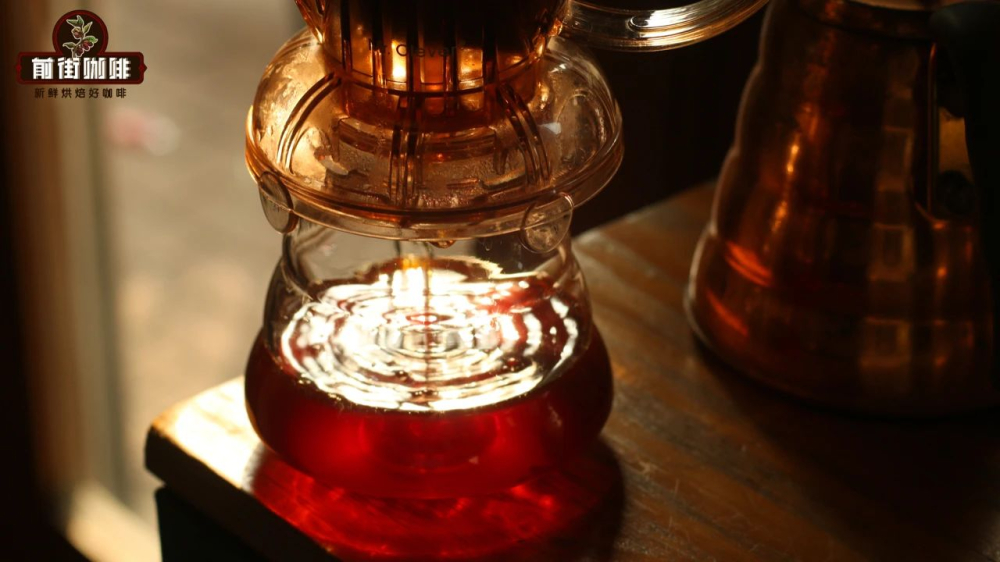
The appearance of the smart cup is very similar to that of a pour over filter cone, and you also need to place a paper filter inside. But the design essence lies in thepiston valveat the bottom of the cup. After pouring in hot water, the water pressure automatically seals the valve to stop the flow, allowing the coffee grounds to steep steadily in the cup. Once the steeping time is up, simply move the smart cup onto a mug, press down on the base, the valve opens, and the coffee liquid slowly drips through the filter paper into the cup. Both the “steeping” and “filtration” processes are handled automatically by the device, so even beginners can consistently brew a great cup of coffee.
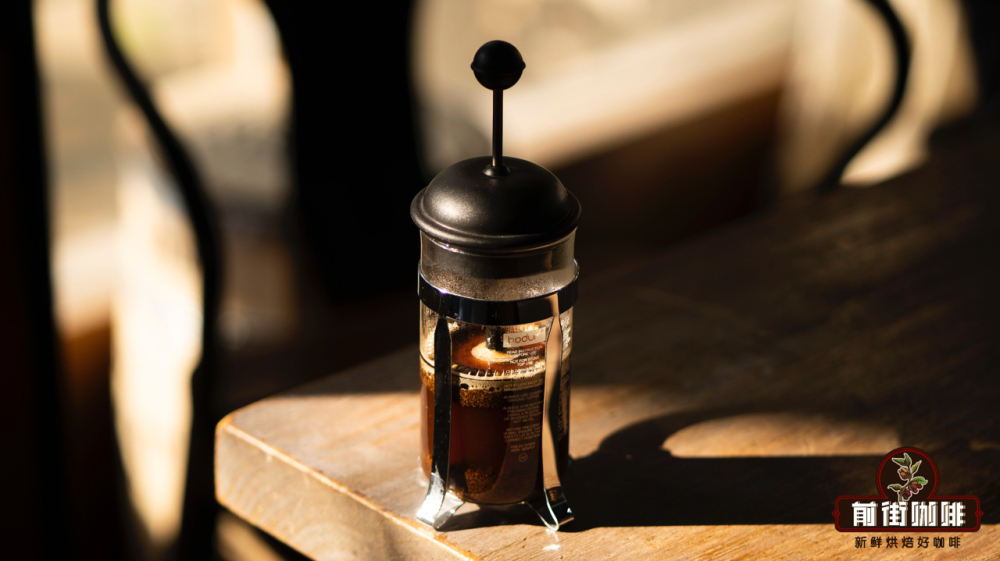
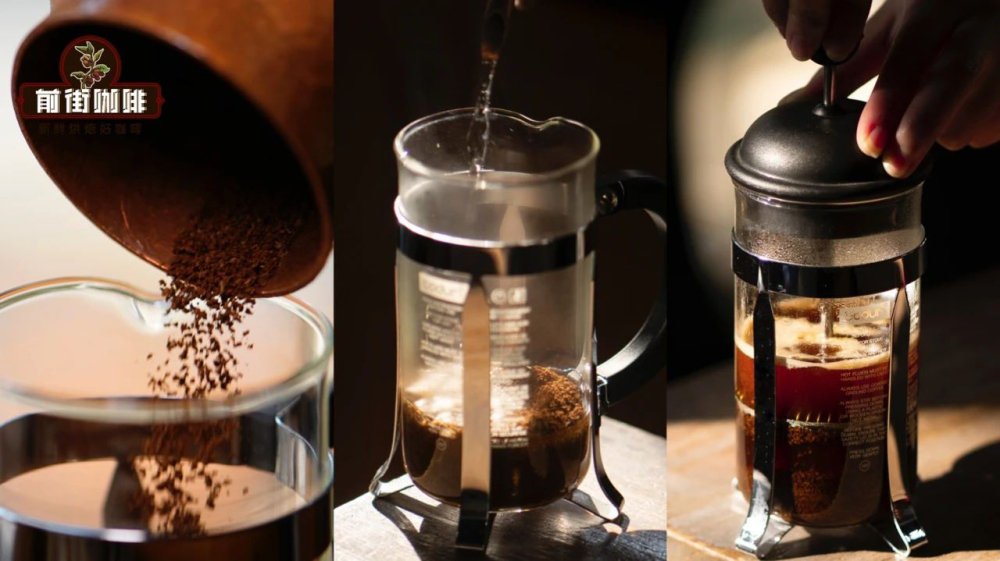
The history of the French press dates back to1850 in France, and its construction is equally simple: a heat-resistant glass carafe paired with a metal filter mesh equipped with a plunger. To use it, you add coffee grounds, pour in hot water for full immersion, wait for the set time, then slowly press down the plunger. The metal filter pushes the coffee grounds to the bottom of the carafe, and what you pour out is a ready-to-drink cup of coffee.
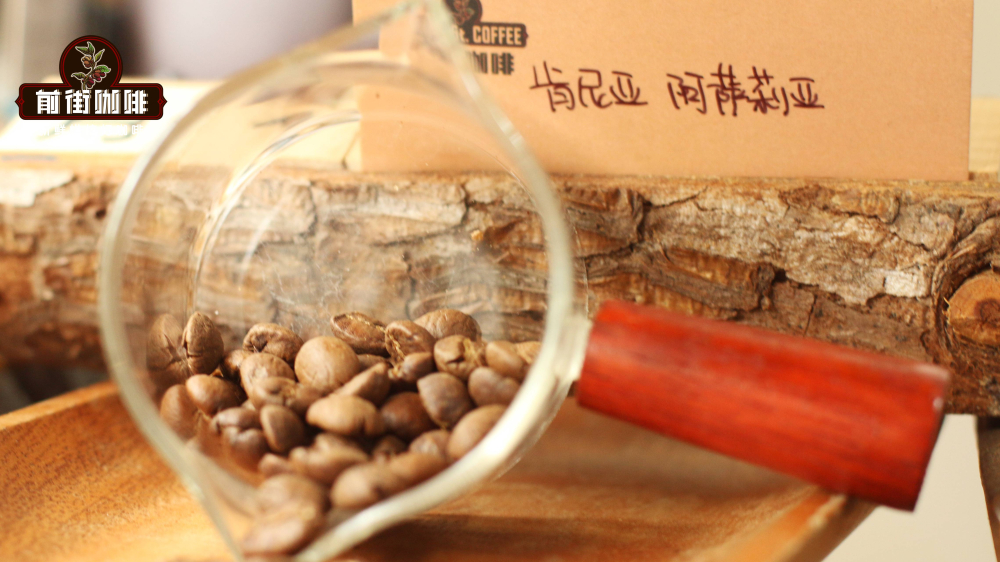
To fairly compare these two immersion-style devices, the best approach is to control the variables: use the same coffee beans and exactly the same brewing conditions, with the only difference being the brewing device itself. This time, we selected Kenyan coffee beans, which feature bright acidity and rich fruitiness. When extracted with hot water, they burst with sweet-tart notes like cherry tomatoes and black plums, along with a particularly prominent caramel aroma. The mouthfeel is full-bodied yet clean, tasting almost like freshly squeezed juice with the pulp filtered out.
The unified extraction parameters used for both methods are:15 grams of coffee,a 1:15 coffee-to-water ratio(i.e., 225 grams of hot water),medium grind(70% passing through a standard #20 sieve),water temperature of 94°C,and a steeping time of 4 minutes.
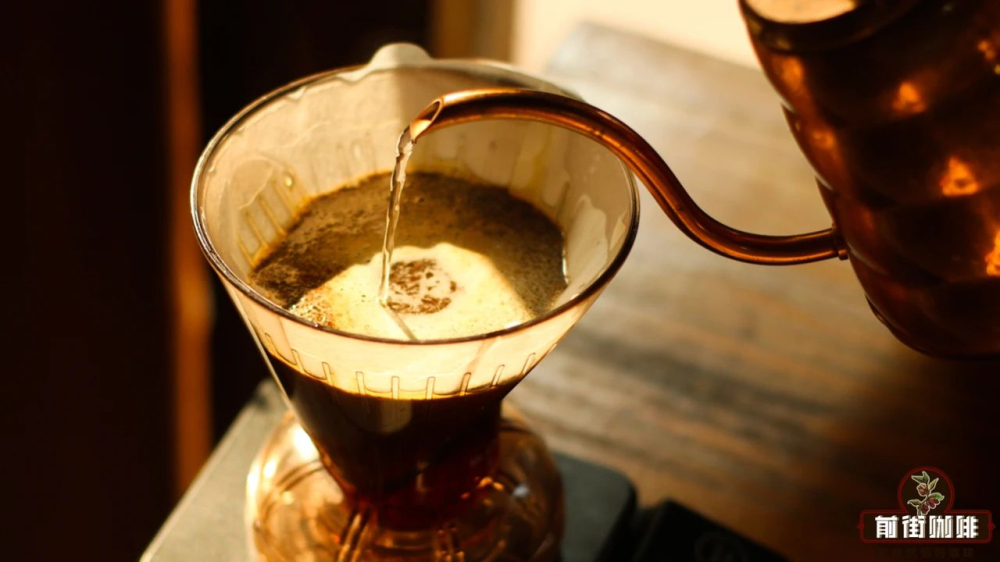
Smart Cup brewing steps: First, place and wet the paper filter with hot water, add 15 grams of coffee grounds, pour in 225 grams of hot water all at once, put on the lid, and let it steep for 4 minutes. Once the time is up, place the smart cup on top of a mug, and let the coffee liquid drip through naturally to complete the process.
French press brewing steps: Add 15 grams of coffee grounds, then also pour in 225 grams of hot water all at once. First, pull the plunger up and put on the lid, then wait for 4 minutes. Next, slowly press the plunger down until the filter mesh is about halfway down the carafe. Finally, pour the coffee liquid into a mug to finish.
The visual difference in the final cups is immediately noticeable: the coffee from the smart cup isclear and bright, while the French press coffee is relativelymurky, with an oily layer floating on the surface. In terms of taste, the smart cup presents flavors of lemon, cherry tomato, and maple syrup—bright acidity, excellent clarity, though the overall taste is slightly more delicate. The French press, on the other hand, highlights notes of black plum, berries, and cherry tomato, with a bold and rounded mouthfeel, though the texture is slightly coarser.

The root of the flavor divergence lies in the different ways the coffee grounds interact with water and the filtering medium used. The smart cup only creates agitation when initially pouring the water, then remains completely still during the steeping phase, and during filtration, the coffee liquid mostly flows down along the cup’s ribbed walls and is filtered through layers of paper that trap fine particles and oils—resulting in a clean, bright, and clear cup. The French press not only has coffee movement during pouring but also, when pressing the plunger, moves the coffee grounds downward, increasing extraction efficiency. Additionally, the metal filter has much larger holes than typical paper filters, allowing most of the oils and some fine particles to remain in the coffee liquid—creating its murky appearance and rounded, full-bodied mouthfeel.
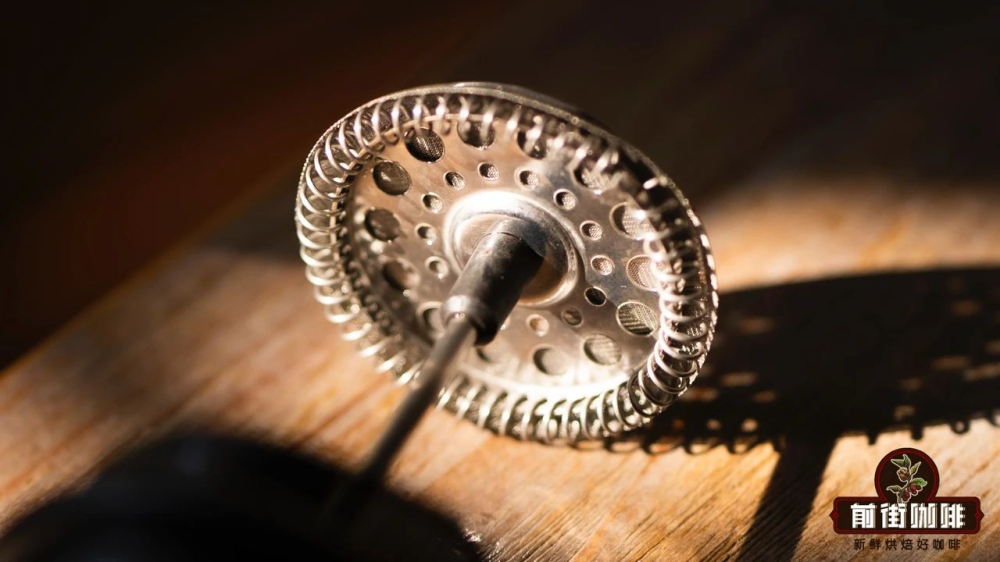
So how should you choose?If you prioritize a clean mouthfeel and easy cleaning, the smart cup is the recommended choice: the paper filter blocks the vast majority of fine particles, resulting in a cleaner taste. After drinking, just discard the filter and give it a quick rinse. Cleaning the French press, on the other hand, is more labor-intensive—you need to remove the coffee grounds, and carefully scrub away fine particles and oils stuck to the metal filter and glass walls. Conversely, if you prefer a coffee rich in oils with a bold, rounded mouthfeel, the French press will suit your taste better. Neither device is absolutely better than the other—it all comes down to choosing the one that matches your preferred flavor and usage habits.
The above content is compiled by CoffeeHunters, a coffee news website.


