







Introduction:If you want to quickly brew a great cup of coffee at home, the French press is the most beginner-friendly lazy tool. This article fully explains the coffee bean dosage, coffee-to-water ratio, grind size, and water temperature control for the French press, and includes a step-by-step brewing guide. It also compares the crema differences between the French press, espresso machine, and moka pot, helping you quickly master this most stable and easiest-to-learn brewing method so you can enjoy a rich and rounded cup of coffee at home.
On busy days, pour over requires ritual and time, while espresso machines have a high barrier to entry — that’s when the French press, known as the “lazy pot,” comes in handy. The coffee brewed with a French press retains rich oily components, resulting in a full-bodied and rounded mouthfeel. Compared to pour over coffee, which uses a paper filter and tends to be more refreshing, it is noticeably more robust, though its crema is slightly less than that of espresso, making it a balanced choice between the two.
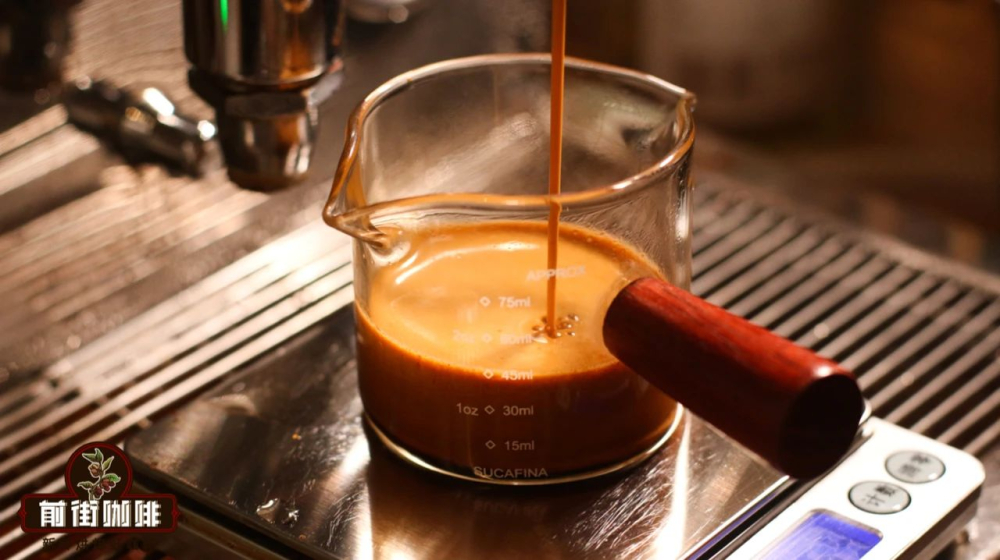
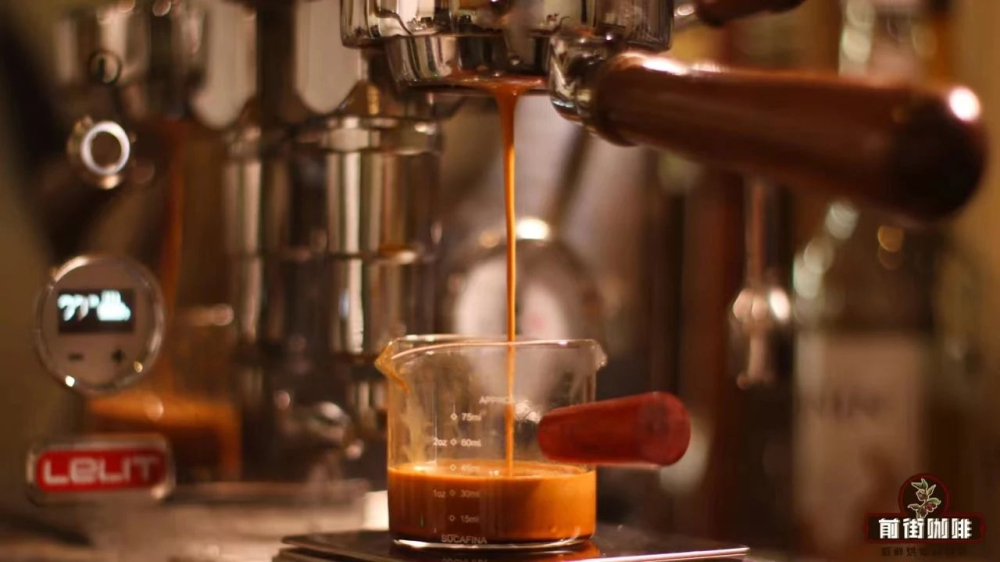
When it comes to coffee crema, the most classic image is the golden, fine “Crema” on the surface of an espresso shot. This layer of foam is mainly composed of carbon dioxide and insoluble oils from the coffee grounds. If an espresso shot lacks it, it is often considered an unsuccessful extraction. Its formation principle is inseparable from pressure: after roasting, coffee beans retain gases such as carbon dioxide inside; when a semi-automatic espresso machine presses the coffee puck under9barpressure, the carbon dioxide in the water becomes supersaturated due to excessive pressure and cannot escape, instead dissolving directly into the coffee liquid. During this process, the coffee fats are emulsified, and these oils encapsulate the carbon dioxide. Because they are lighter than water, they gradually rise and separate, eventually forming a beautiful golden layer on the surface.
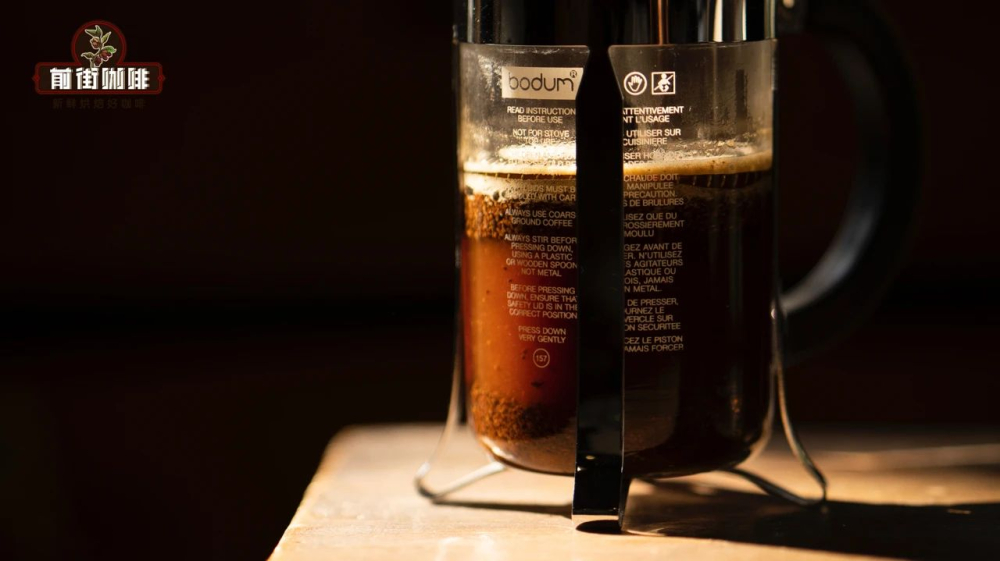
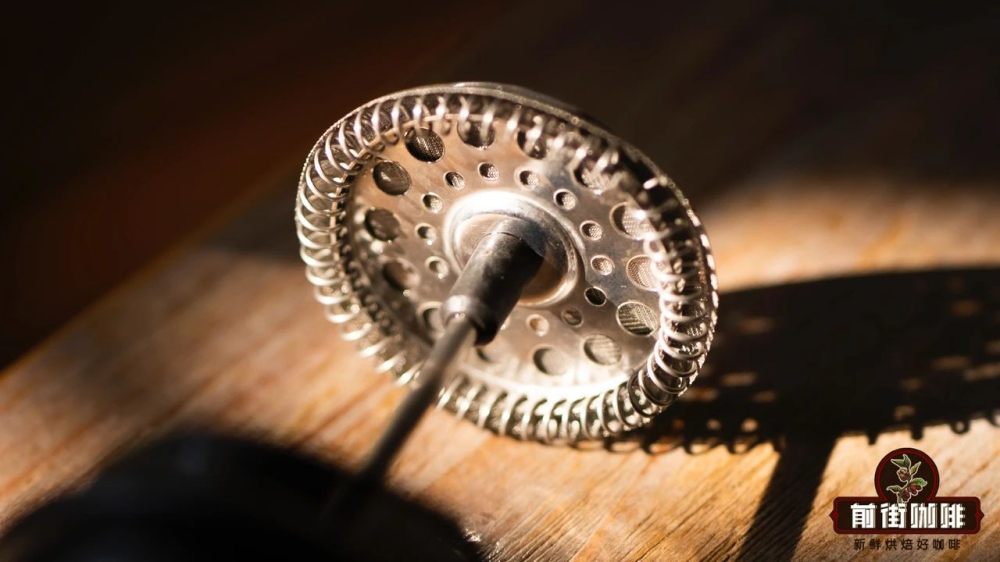
The French press originated around 1850 in France and has a very simple structure: a heat-resistant glass (or clear plastic) carafe paired with a metal filter that has a plunger. It was initially mostly used for brewing black tea, which is why some people still call it a “tea infuser.” Among all coffee brewing devices, the French press is the easiest to operate, and its extraction effect is closest to that of professional cupping, bringing out the coffee’s oils, aromas, and various flavor compounds to the fullest. It delivers a smooth, sweet, and rich mouthfeel. It also has one unique advantage —extremely high repeatability: using the same pot, the same beans, the same water temperature and volume, and the same steeping time, even if someone else operates it, you can almost always produce coffee with consistent flavor. This level of stability, which pour over and siphon pots struggle to achieve, makes it the most beginner-friendly brewing method. However, precisely because the flavors are so direct, both the strengths and weaknesses of the beans are fully exposed, so the quality and freshness of the coffee beans are relatively higher requirements.
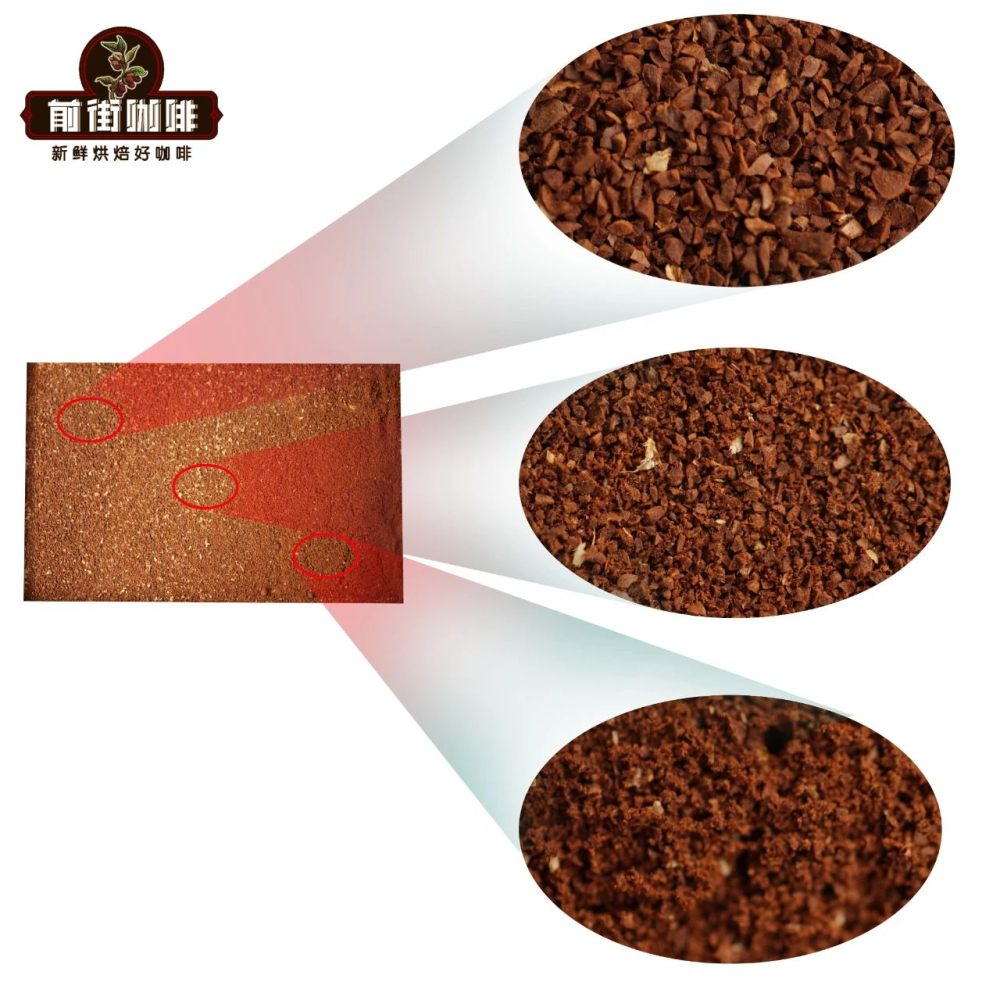
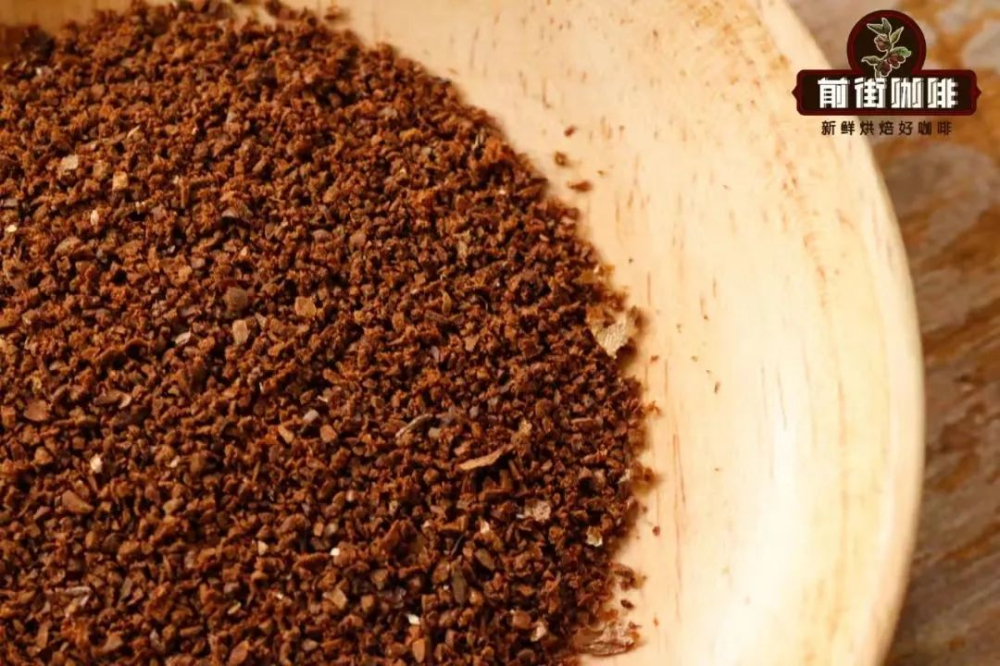
Before getting started, get familiar with a few key parameters.Coffee-to-Water RatioIt is recommended to control it between1:14 and 1:18, which can be fine-tuned according to personal taste; for a two-person serving, use20g of coffee beanswith about300g of hot water, approximately a 1:15 ratio. If your French press doesn’t have water level markings, using a scale for measurement is the most accurate: first add the coffee grounds, zero the scale, then pour water and weigh (the weight difference between hot and cold water can be ignored under home conditions).As for Grind Size, the French press uses immersion extraction. Its metal filter has larger holes, allowing fine particles to pass through easily. The coffee grounds will be in prolonged direct contact with hot water, so you must use acoarse grind, roughly the size of brown sugar crystals, and aim for consistency. If ground too finely, it can easily lead to over-extraction, resulting in a bitter and astringent taste. Once you’ve prepared your French press, narrow-spout pour over kettle, grinder, thermometer, scale, timer, and fresh coffee beans, you’re ready to begin.
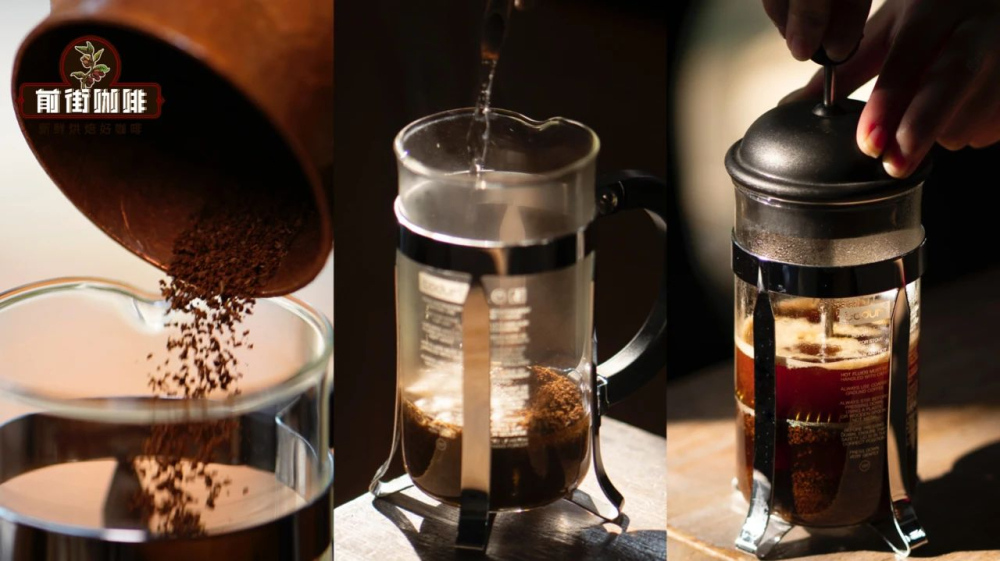
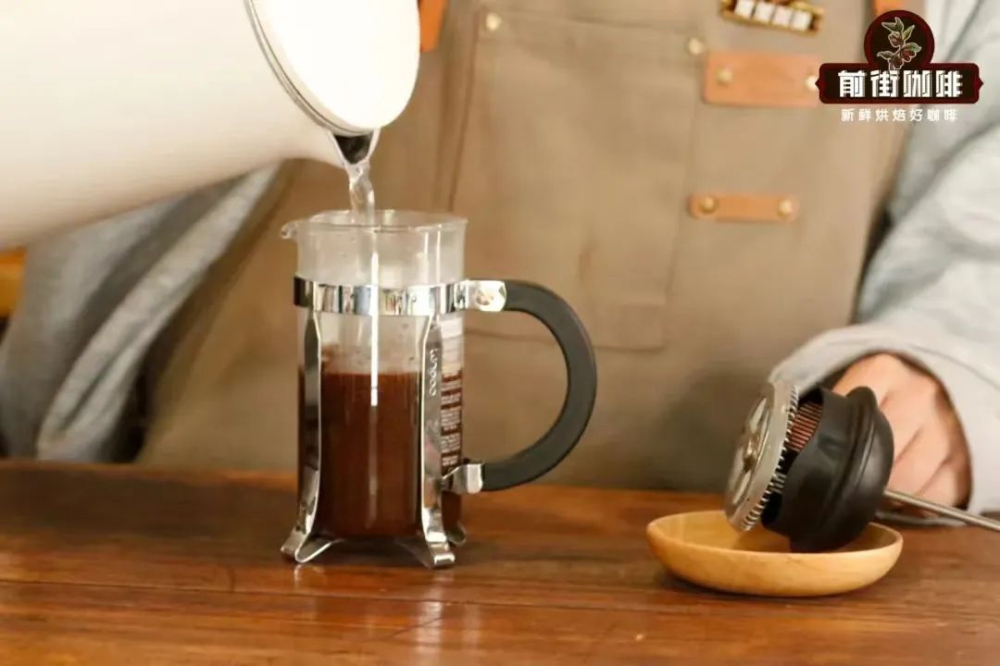
The brewing process is as follows: first, weigh and grind 20g of fresh coffee beans;control the water temperature between 85°C and 95°C. The principle is to use a higher temperature for light roasts to highlight aroma, and a lower temperature for dark roasts to suppress bitterness, which you can adjust based on experience and personal preference. Then pour the ground coffee into the French press, and pour hot water in a circular motion similar to pour over, evenly adding about 300g of hot water. After pouring, stir gently to ensure the coffee grounds are fully saturated.
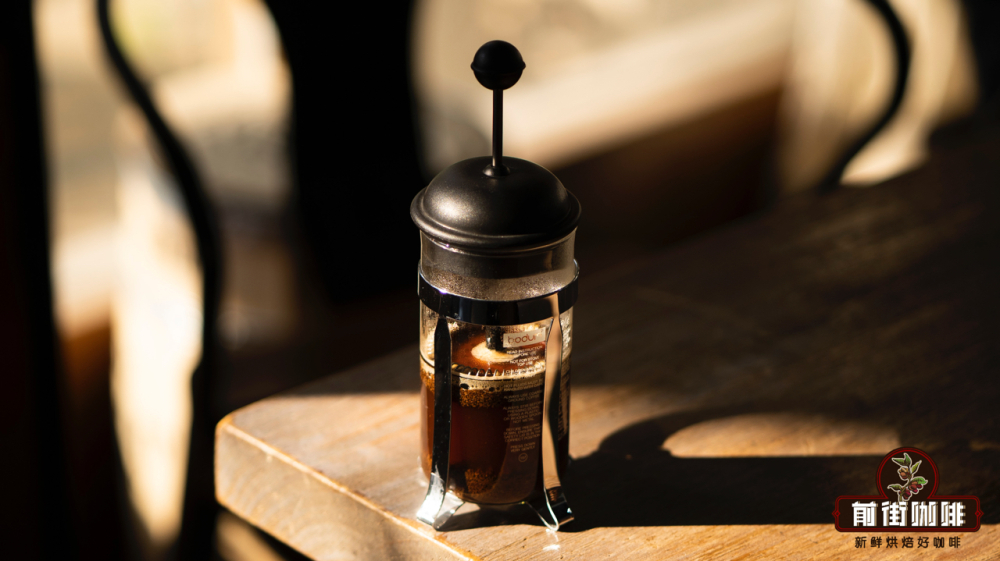
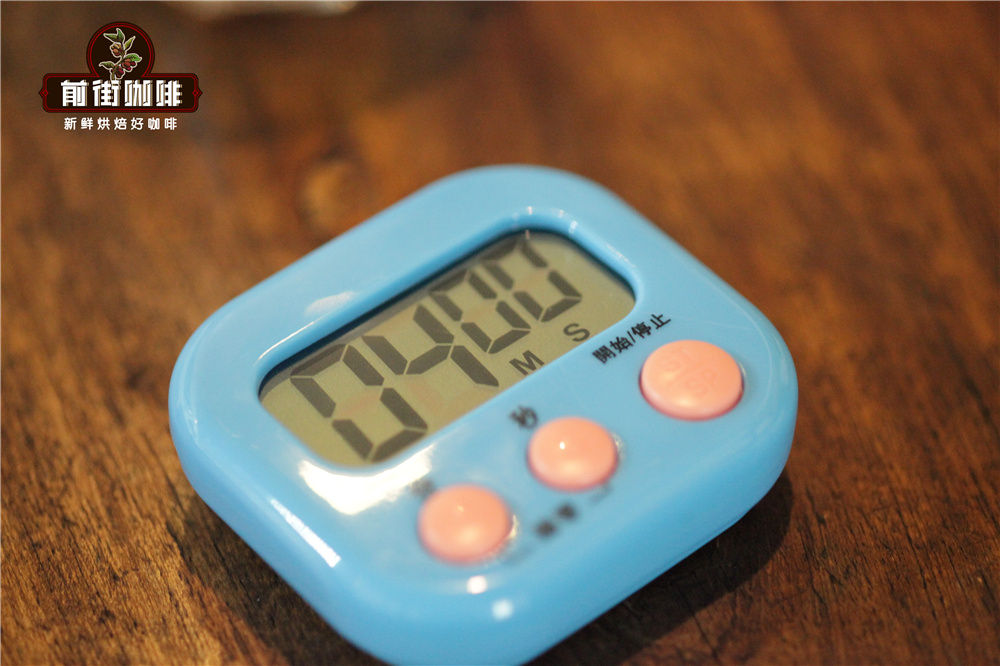
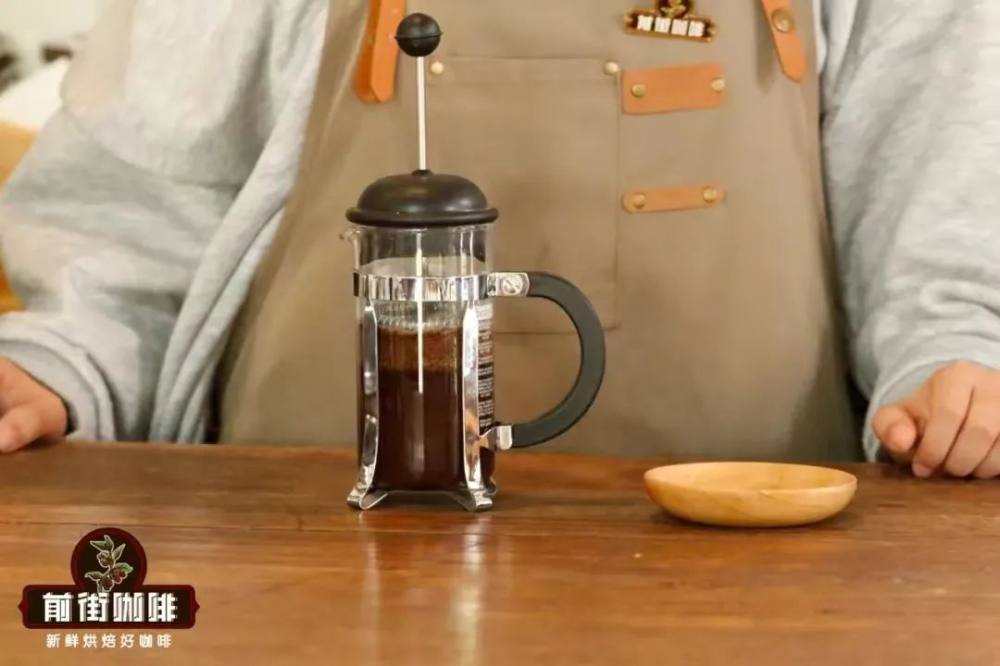
Then put the lid on, but make sure not to press the filter down yet,let it steep for 4 minutes— shorter times yield lighter flavors, longer times yield stronger ones, and you can adjust to your liking. Once the time is up, proceed to filtration: hold the plunger and slowly press down, stopping just before reaching the bottom — there’s no need to press all the way down. Going slower reduces the chance of fine particles passing through the metal filter. When pouring out the coffee, do so gently and slowly tilt the pot to avoid disturbing the settled coffee grounds at the bottom, which could float up and affect the taste. And that’s it — you’ve made a full-flavored cup of French press coffee.
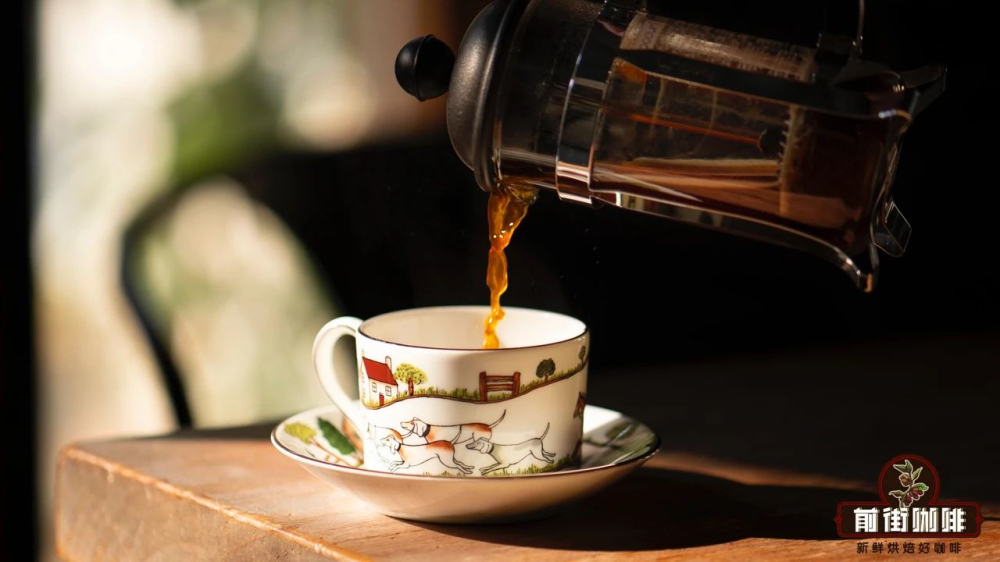
Returning to the question “Does French press coffee have much crema?” The answer ismore than pour over, but less than espresso, putting it at a moderate level. If crema is your sole pursuit, the espresso machine is the undisputed choice — it extracts coffee under fixed high pressure, something other methods can't achieve, producing the richest crema, especially suitable for latte art, with an extremely rich mouthfeel. It typically uses finely ground dark roast blend beans. For those on a budget who still want freshly ground coffee with crema, the moka pot is a compromise: it produces coffee that is stronger and more bitter, often best enjoyed diluted with water or milk. If you use finely ground dark roast beans, you can also get quite rich crema, not as much as an espresso machine, but among affordable brewers, it’s top-tier.
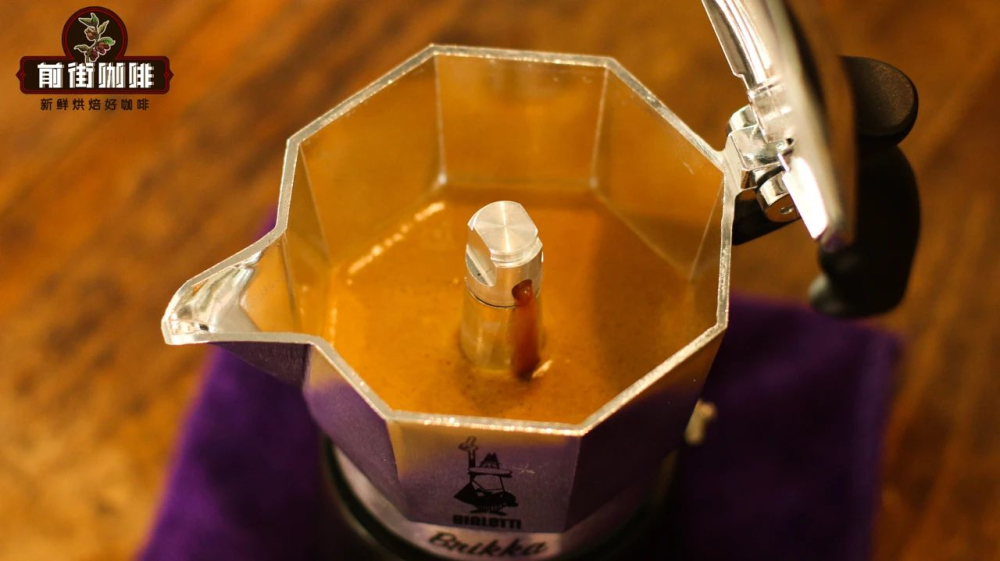
As for the French press, to get crema, you must usemedium-coarse ground dark roast beans. The amount of crema produced by the French press is indeed not a lot, but its core value lies in simplicity and convenience — if you want to quickly enjoy a cup of coffee with crema and a full body, the French press is still a great option worth having.
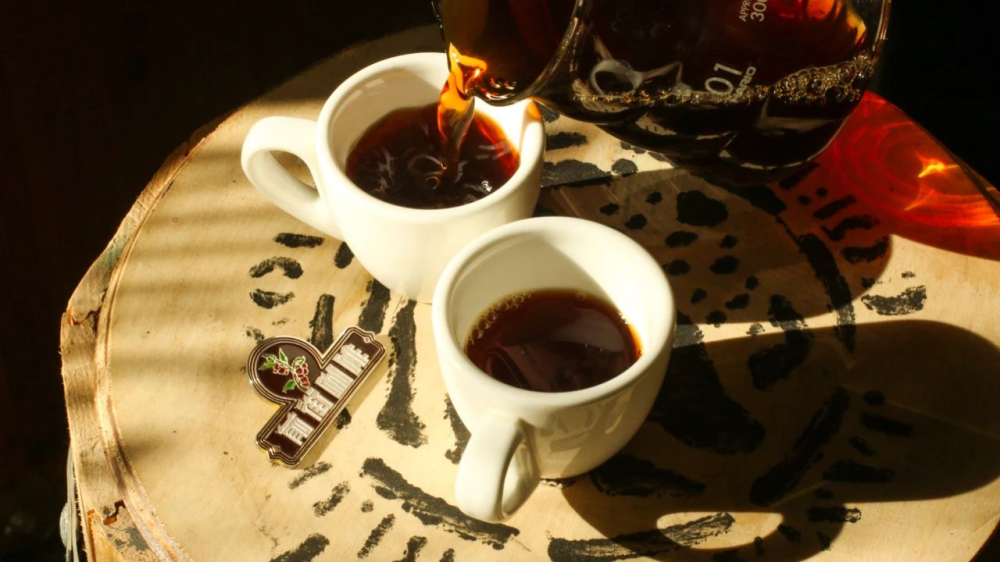
Finally, a reminder: whether you prefer pour over, French press, or espresso, as long as it suits your taste, it’s a good cup of coffee. And all brewing methods share one common prerequisite —coffee beans must be fresh. Freshness has a huge impact on coffee flavor. Generally, coffee beans have a degassing period of about4 to 7 days, after which their flavor is at its peak. Once coffee grounds are exposed to air, oxidation happens quickly, and aroma dissipates rapidly, so it’s best to brew them promptly. Therefore, it’s recommended to buy whole beans and grind them fresh for brewing to fully enjoy the captivating flavors of coffee.
The above content is compiled by CoffeeHunters, a coffee news website.


