







Introduction:When selecting fruity coffee beans, the degree of roast is one of the key factors influencing flavor expression. Light, medium, and dark roasts each showcase fruity notes in different ways — from bright citrus and berries to ripe fruit with layers of caramel and cocoa. This article will analyze how different roast levels affect the expression of fruity coffees and provide practical selection tips along with pour-over brewing parameters to help you find your perfect match.
The charm of fruity coffee beans goes far beyond a simple “lemony acidity.” Truly rich fruity coffees may simultaneously express floral notes, jam-like richness, juicy mouthfeel, or even a hint of black tea-like sweetness. These nuanced flavor profiles are often deeply influenced by the roast level:The lighter the roast, the more pronounced the fruity and acidic characteristics, and the more the unique origin traits are highlighted.;The darker the roast, the more the fruitiness blends with caramel, cocoa, and roasted aromas, resulting in a fuller-bodied mouthfeel..
If you prefer bright, vibrant, and aromatic coffees, it’s recommended to start exploring fruity beans with a light roast. These beans usually retain more of the terroir characteristics of their origin, with common flavor associations including citrus, berries, tropical fruits, and even grapes. The acidity tends to be more lively. When brewed using pour-over or iced pour-over methods, adjustments in water temperature and extraction time can bring out different flavor layers, making them ideal for drinkers who enjoy savoring subtle coffee variations.
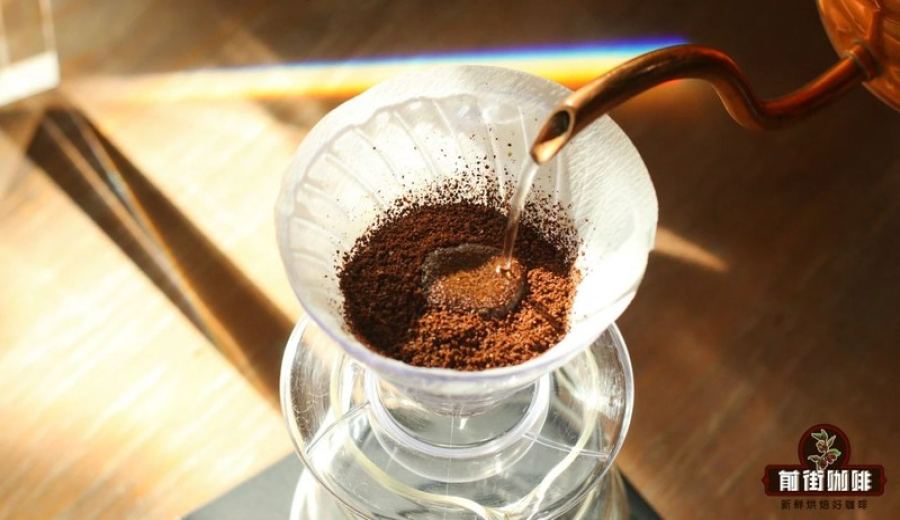
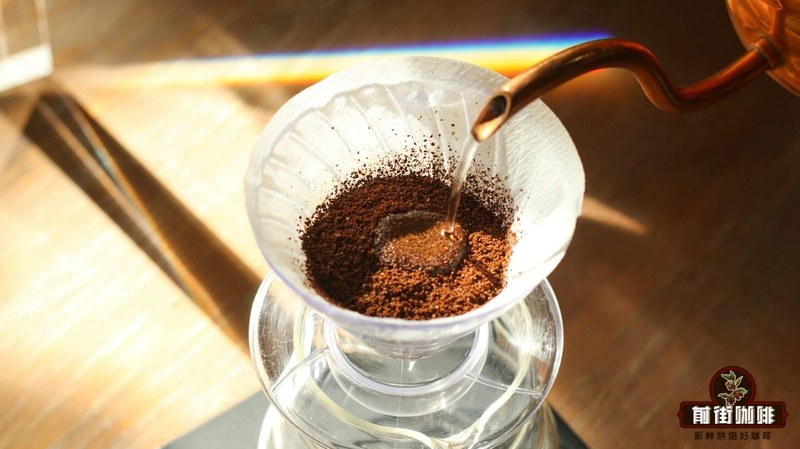
When brewing light-roasted fruity beans, the focus is onfully releasing the aroma while avoiding overly sharp acidity or a dry, astringent finish.. It is recommended to use slightly higher water temperature with a medium-fine grind size, while maintaining consistent pouring to ensure sufficient contact time for the coffee grounds. If the acidity tastes too sharp, try adjusting to a finer grind or slightly extending the extraction time; if an unpleasant dryness appears in the aftertaste, reduce agitation and shorten the extraction time in the later stage.
For readers new to fruity coffee, Colombian Sidamo is a great entry-level option. Its flavor profile often includes notes of passionfruit, blueberry, grape, and apricot, with a juice-like vibrancy. Hot pour-over highlights a distinct sweet-and-sour contrast, while adding ice makes the aroma even crisper. It can also be used for cold drip or as a single-origin espresso base for a refreshing iced Americano.
If you’re looking to strike a balance between fruitiness and acidity, consider medium-light or medium-roasted beans. These coffees typically preserve fruity aromas while adding a touch of caramel-like sweetness and moderate body. They feel smooth when hot and still exhibit clear fruit notes when cooled, making them suitable for breakfast black coffee or shared family enjoyment.
Take medium-light roasted Yirgacheffe Gedeb Guji as an example — its flavors include citrus, berries, and delicate florals, with a green-tea-like refreshing finish. Pour-over brings out clear and identifiable aromas, while cold brew softens the acidity, resulting in a gentler overall flavor. If you usually prefer clean and refreshing Americanos, reducing the espresso concentration allows the fruitiness to present as comfortably as sugar-free herbal tea.

If you’re particularly drawn to floral notes, tea-like qualities, and delicate sweetness, lightly roasted Geisha beans are a highly representative choice. For instance, Panama Finca El Velo Red Label Geisha is often described as having notes of jasmine, bergamot, citrus, and black tea — its fruitiness is not in the form of intense jam but rather a clean and elegant citrus tone. These beans are best enjoyed via low-temperature, fine-grind pour-over for a slow and mindful tasting experience. As the water temperature drops, the tea-like and sweet notes become even more harmonious.
If you prefer a fuller body, medium-dark roasts can also highlight fruity characteristics, albeit in a less direct and exuberant way. Through medium-dark roasting, coffee develops layers of caramel, dark chocolate, and nuts, which wrap the berry or ripe fruit features in a more integrated profile. These beans generally have a richer mouthfeel, making them suitable for use in espresso machines, moka pots, and various milk-based coffee drinks. When milk is added, the fruitiness transforms into something resembling fruit jam or cocoa ganache, offering a warmer and more velvety sensation.
When choosing medium-dark roasted fruity beans, it’s advisable to prioritize their sweetness and body, while also paying attention to whether the acidity remains clear and distinguishable. When using an espresso machine, you can start with a shorter extraction ratio to maintain the richness of the coffee liquid; if using a moka pot, it’s recommended to control the heat to avoid excessive heating that leads to burnt bitterness. For readers who mainly drink lattes or cappuccinos, the coffee liquid itself needs to have enough strength to ensure the fruit aromas remain distinct within the smooth texture of the milk.
When purchasing coffee beans, it’s recommended to first observe the roast level indicated on the packaging, then make a choice based on your brewing method and drinking habits. If you often drink iced coffee, pour-over, or especially love floral and fruity aromas, light or medium-light roasts are more suitable choices. If you prefer strong Americanos, use a moka pot, or frequently drink milk coffee, medium to medium-dark roasts are more convenient and practical. If you’re still unsure, prioritize beans whose flavor descriptions include both fruit and elements like caramel, tea, or cocoa — the transition will be more natural.
In summary, choosing fruity coffee beans is actually about finding your personal balance point among brightness, sweetness, and body. Light roasts highlight the freshness and aroma of fruit, medium roasts bring rounder sweet-and-acid harmony, and dark roasts transform fruitiness into a more mature and mellow sweetness. No matter which roast you start with, as long as you consider your usual equipment and brewing habits and go through a few actual brewing experiences, you’ll gradually discover your own ideal cup of fruity coffee.
The above content is compiled by CoffeeHunters, a coffee news website.

