







Introduction:Want to taste clear fruity and floral notes, even tea-like qualities and juice-like sensations in your coffee? The roast level is key to how these flavors are expressed. This article will explore how light, medium, and dark roasts influence the fruitiness of coffee beans, and offer practical bean selection and pour over tips to help you find your ideal fruit-forward coffee based on your brewing method and flavor preferences.
When selecting coffee beans, “fruitiness” isn’t just about sweet-tart sensations—it can also encompass floral notes, jammy richness, juicy body, and even the clean sweetness of black tea. These nuanced flavor characteristics are often closely tied to roast levels. The lighter the roast, the more the fruitiness and origin characteristics stand out, with brighter acidity that suits those who enjoy lively and refreshing tastes. The darker the roast, the more the fruit notes blend with caramel, cocoa, and roasted aromas, resulting in a fuller and rounder mouthfeel.
If you prefer bright, vibrant, and aromatic coffees, start exploring with light roast beans. Lightly roasted beans usually preserve more of the unique characteristics of their origin, with common flavor associations including citrus, berries, tropical fruits, and even the tartness of grapes. Their acidity tends to be more pronounced. These coffees excel when brewed with pour over or iced pour over methods—varying water temperature can gradually reveal rich layers of flavor, making them perfect for enthusiasts willing to take time to appreciate subtle coffee nuances.
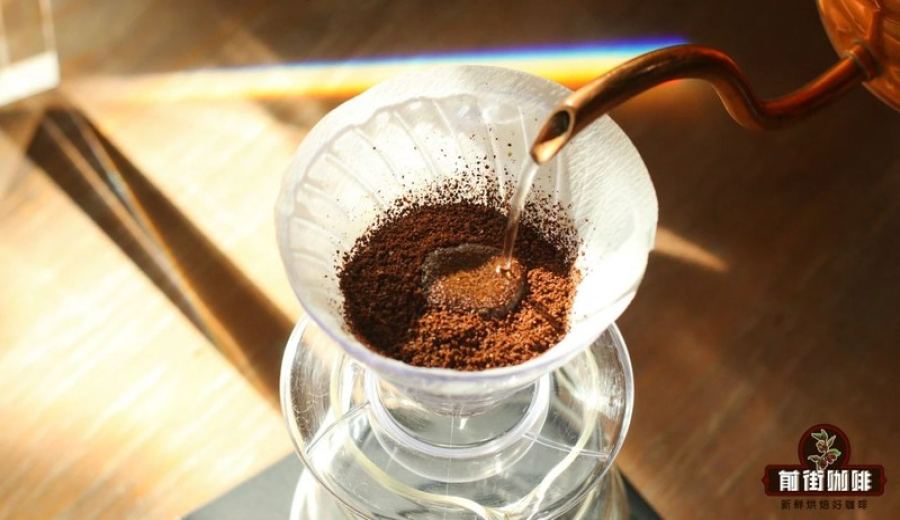
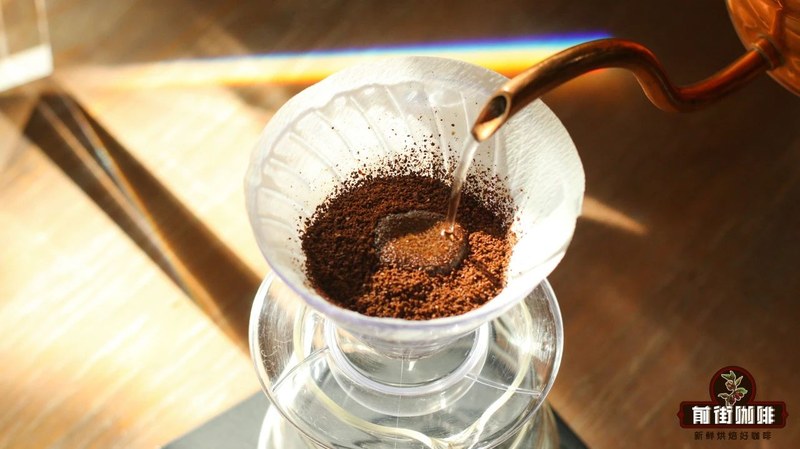
For brewing light roast beans, the focus is on releasing aroma while avoiding overly sharp or thin acidity. It’s recommended to use slightly higher water temperature, paired with a fine yet not overly coarse grind size, and to maintain a stable and continuous pouring rhythm, allowing the coffee grounds enough time to release their flavors. If the acidity comes across as too sharp, try adjusting the grind slightly finer or extending extraction time. If the finish feels dry or astringent, reduce agitation and shorten the latter part of the extraction.
For readers new to fruit-forward coffee, a light-roasted Colombian Sidamo bean is a great option to try. Its flavor profile often includes associations with passionfruit, blueberry, grape, and apricot, delivering a juice-like vibrancy. Brewing with hot water highlights a clear sweet-tart contrast, while adding ice emphasizes crisper aromatics. You could also experiment with cold drip or prepare a single-origin espresso to mix into a clean and bright iced americano.
If you enjoy fruitiness but don’t want the acidity to dominate, medium-light or medium roast beans are more approachable choices. These roasts retain fruity character while adding caramel-like sweetness and moderate body. They feel rounder when served hot and still preserve clear fruitiness when cooled, making them suitable for breakfast as well as shared family enjoyment.
An example of a medium-light roasted bean is a Yirgacheffe variety called Guji Dingding, which often presents citrus, berries, and gentle floral notes, with a green-tea-like clean aftertaste. Pour over brings out direct aromas, while cold brew softens the acidity. For those who enjoy crisp Americanos, reducing the espresso ratio slightly allows the fruitiness to resemble the comfort of a fruit-infused herbal tea.

If you’re particularly drawn to delicate floral notes, tea-like qualities, and soft sweetness, lightly roasted Geisha (瑰夏) series beans are definitely worth experiencing. For instance, a Panamanian Emerald Estate Red Label Geisha features jasmine, bergamot, citrus, and black tea as its core profile. Its fruitiness is not in the form of intense jam but rather presented as a clear and elegant citrus tone. These coffees are best brewed with lower water temperature; as the temperature drops, the tea-like and sweet sensations become more harmonious, offering an exceptionally refined drinking experience.
If you prefer a fuller body and more intense fruit expressions, medium-dark roasts can also showcase captivating fruitiness. In this case, fruit notes are typically blended with caramel, dark chocolate, and nutty aromas, resulting in a more rounded and robust overall flavor. These coffees are especially well-suited for espresso, americano, or milk-based drinks. When milk is added, the fruitiness transforms into a jammy or cocoa-truffle-like sweetness.
When choosing medium-dark or dark roasted fruit-forward beans, prioritize evaluating their sweetness and body first, then check whether the acidity remains distinct. When using an espresso machine, try a shorter extraction ratio to maintain a focused cup profile. For the moka pot, use a lower flame to avoid excessive bitterness. If you mainly drink milk-based drinks like lattes, ensure the coffee itself has enough intensity so the fruitiness isn’t overshadowed by the smooth texture of milk.
When selecting fruit-forward coffee beans, start by checking the roast level indicated on the packaging, then make your choice based on your brewing method and consumption habits. If you often drink iced coffee, prefer pour over, or love floral and fruity aromas, light or medium-light roasts are a more suitable starting point. If you lean toward americano, use a moka pot, or frequently enjoy milk coffee, medium to medium-dark roasts are generally more convenient and balanced in flavor. If you’re still unsure, look for beans labeled with both fruit and caramel, tea, or cocoa flavor notes to ensure a smoother flavor transition.
In summary, choosing the right fruit-forward coffee bean is all about finding your own balance between brightness, sweetness, and body. Light roasts make fruit flavors more vivid and lively, medium roasts harmonize sweet-tart notes for a smoother balance, and dark roasts lend a more mature sweetness to fruitiness. As long as you select an appropriate roast level based on your usual equipment and drinking habits, and gain experience through a few actual brews, you’ll gradually discover the fruit-forward coffee that best suits your taste.
The above content is compiled by CoffeeHunters, a coffee news website.

