







Introduction:Coffee beans with tropical fruit flavors always deliver a bright and refreshing taste experience, but do you know how to choose the most suitable beans based on roast level? This article will guide you from light roast to medium-dark roast, analyzing how tropical fruit flavors manifest at different roast stages, and offering practical bean selection and brewing tips to help you find the coffee beans that best suit your taste.
The aromas and flavors of tropical fruits—such as mango, passion fruit, pineapple, guava, and ripe berries—are often the ideal flavor profile for specialty coffee enthusiasts. These flavors typically feature bright acidity and rich fruity sweetness, evoking the crisp sensation of fresh juice. However, even coffee beans labeled with the same fruit notes can perform very differently in the cup depending on the roast level—from bright, fresh fruit flavors to rich, jammy sweetness—all determined by the choice of roast depth.
If you prefer vibrant acidity and bold aromatic profiles, a light roast is a great starting point. This type of roast preserves the most origin characteristics, with pronounced and layered acidity, and aromas leaning toward citrus, floral, and tropical fruit notes. It’s recommended to enjoy it black, without sugar or milk. When drinking, first notice the aromatic burst at higher temperatures, then as the temperature drops, the fruit sweetness and aftertaste will gradually emerge. If you enjoy nuanced, light, and refreshing coffee, light-roast beans are an excellent choice for exploring tropical fruit profiles.
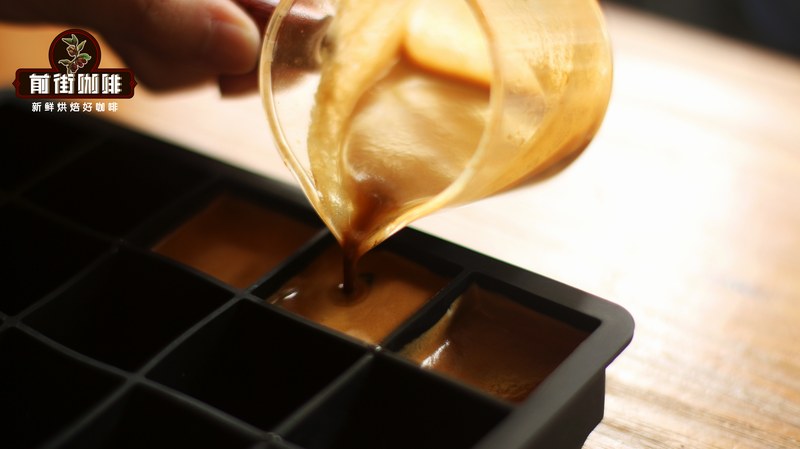
In practice, when brewing light-roast beans, pay attention to the combination of water temperature and grind size. It’s advisable to use slightly higher water temperature and a finer grind to fully extract the juicy sweetness. If you encounter astringency or an overly tight aftertaste, you can reduce stirring or speed up the pouring to finish brewing sooner. Additionally, iced pour-over is also a great way to highlight juiciness—by increasing coffee concentration and then cooling it with ice, the refreshing qualities of tropical fruit become even more pronounced, making it especially suitable for summer drinking.
If you’re looking to strike a balance between fruit aroma and acidity, a light-medium roast is an ideal transitional choice. This roast retains some of the brightness of fruit and floral notes while adding a tea-like quality and smooth sweetness. Whether brewed as hot pour-over or used to make Americano, it delivers good sweetness support without becoming overly acidic. Beans in this range are well suited for those who enjoy fruit flavors but worry that black coffee might be too sour.
For example, certain beans grown at high altitudes can exhibit multi-layered aromas of passion fruit, blueberry, grape, and even apricot. They offer a full-bodied fruit flavor with noticeable sweetness upon entry. Ideal for amplifying freshness through iced pour-over, you can also try cold brew for a rounder acid-sweet balance. If you want to challenge yourself with a single-origin espresso, it’s recommended to shorten the extraction time to lock in aroma and sweetness, then adjust according to personal taste.
When moving into the medium roast level, tropical fruit flavors begin shifting from the “fresh-cut fruit” vibrancy to the richness of “ripe fruit and jam.” Sweetness becomes more prominent, acidity turns gentler, and the overall mouthfeel is smoother. This roast level is suitable for daily consumption and compatible with various brewing methods, whether using a pour-over dripper, moka pot, or home espresso machine. Adding a small amount of milk further transforms the fruit aroma into a sweet combination of berry jam and caramel—perfect for making milk coffee.
As for medium-dark roast, many assume this stage no longer features prominent fruit flavors, but in fact, tropical fruit characteristics don’t disappear—they transform into more mature notes of preserved fruit, dried fruit, and even complex aromas of cocoa and caramel. This roast offers a fuller body, suitable for those who enjoy milk coffee or want the coffee to still show clear character when mixed with milk. When brewing, it’s recommended to control the extraction time appropriately to maintain a balanced and rounded sweetness.
In summary, when selecting coffee beans with tropical fruit flavors, it’s advisable to start by considering the roast level: if you’re pursuing bright and refreshing fruit aromas, prioritize light roast or light-medium roast; if you prefer a softer sweetness and coffee suitable for iced drinks, light-medium to medium roast is the ideal range; if you often drink milk coffee and want the coffee to retain its flavor in milk, choose medium or medium-dark roast beans described as having berry or jam-like flavors. Remember, there’s no one-size-fits-all answer for tropical fruit flavors—finding the beans that match your taste and brewing method is the key to making each cup a delightful surprise.
The above content is compiled by CoffeeHunters, a coffee news website.

