







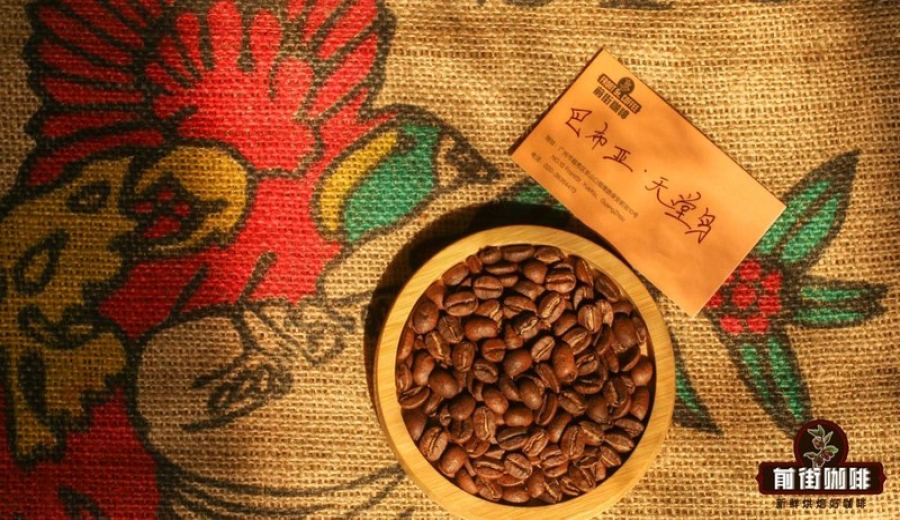
Introduction:To choose a pour over coffee that is neither overly acidic nor bitter, the roast level is the most straightforward starting point. From light to dark roast, each method affects the balance of acidity and sweetness, as well as the body and richness of the brew. This article will delve into the flavor characteristics of various roast levels, offer practical bean selection and pour over tips, helping you find the single-origin beans that best suit your personal taste, and master key extraction techniques to enjoy a well-balanced and smooth cup of coffee.
If you want to brew a single-origin pour over coffee with soft acidity and a bitterness that doesn’t overpower, the roast level is a very useful reference. Generally speaking, light roasts preserve more floral and fruity aromas, but the flavors may be brighter and more intense; medium roasts tend to showcase more sweetness and a rounded mouthfeel; dark roasts often carry notes of cocoa, nuts, and a rich, full-bodied feel. The key isn’t to completely eliminate acidity or bitterness, but to achieve a comfortable balance between these elements.
Lightly roasted coffee beans usually have a more delicate and bright flavor profile. Upon tasting, they often bring out citrus, berries, or subtle floral notes, making them ideal for those who prefer a fresh aroma. If you typically find coffee acidity too sharp, you can opt for a light roast with prominent sweetness, and try using slightly higher water temperature and a finer grind to help fully release the flavors. Additionally, letting the brewed coffee sit for a moment before drinking can also soften the initial intensity as the temperature cools slightly.
If you enjoy a juice-like, refreshing mouthfeel but don’t want overly heavy bitterness, a light-roasted Colombian Geisha could be a great choice. This bean offers aromas of passion fruit, blueberry, grape, and apricot, with a lively acidity well-supported by sweetness. For pour over, a medium-fine grind is recommended. In hot weather, trying it as an iced pour over allows lower temperatures to enhance clarity in aroma and make the acidity easier on the palate.
If you prefer a coffee that balances aroma, sweetness, and moderate body, medium roast is a relatively approachable option for daily drinking. Compared to some light roasts that emphasize high acidity, medium roasts are usually less intense and don’t quickly turn astringent or burnt. When selecting, look for product descriptions that include words like nuts, cocoa, caramel, or ripe fruit—these flavors often provide more structure in black coffee and remain satisfying even when a small amount of milk is added.
For example, the Brazilian Queen Estate is a medium roast that performs with a soft touch, delivering noticeable notes of nuts, cocoa, and a sweet, caramel-like richness, without acidity dominating the overall flavor. For pour over, start with a medium water temperature and avoid excessive agitation during pouring to maintain a smooth water flow. This bean is suitable as a breakfast coffee and also works well for those transitioning from milk coffee to single-origin pour over.
As for medium-dark or dark roasts, they are better suited for those who prefer a bold and intense flavor. While dark-colored beans aren’t necessarily more bitter, this type of roast highlights cocoa, woody, spicy, and toasty notes more prominently, while acidity naturally takes a back seat. However, it’s important to control extraction strength—avoiding excessively high water temperatures or too fine a grind—to prevent the otherwise rich flavors from turning dry or overly burnt.
Take PWN Indonesian Golden Mandheling as an example. This dark roast bean stands out with its herbal notes, dark chocolate character, and full body, all while maintaining low acidity. For pour over, it’s recommended to use a slightly coarser grind, lower water temperature, and shorter extraction time to preserve a stable balance of sweetness and bitterness. Alternatively, using a moka pot to prepare an Americano-style drink will yield a smoother and more approachable cup.
It’s worth noting that even beans roasted to the same level can produce vastly different flavors depending on the pour over method used. Light roasts are ideal for highlighting aroma layers, medium roasts can steadily present sweetness, and dark roasts require extra care to avoid over-extraction. If your cup tastes overly acidic and thin, it may be under-extracted—in which case, try grinding slightly finer. Conversely, if you feel dryness on the tongue or an overly bitter aftertaste, consider reducing stirring, shortening the brew time, or using a coarser grind.
When purchasing coffee beans, start by checking the roast level indicated on the package, then combine that with the flavor description to determine if it matches your preferences. If you enjoy bright fruity notes, start with a light roast; if you’re looking for a balanced acidity and sweetness, medium roast is usually more adaptable; if you prefer a full-bodied, low-acid coffee with prominent cocoa tones, consider medium-dark or dark roasts. Also, make sure to store opened beans in a sealed, light-proof container and buy according to your actual consumption rate to ensure optimal freshness.
In summary, “not too acidic, not too bitter” doesn’t mean brewing coffee devoid of character. It’s about finding your own ideal balance between aroma, sweetness, acidity, and body. By matching the roast level with the right filter, water temperature, grind size, and brewing technique—and giving the same beans a few rounds of adjustments—you’ll often find that perfect cup of single-origin pour over coffee that is both flavorful and enjoyable for everyday drinking.
The above content is compiled by CoffeeHunters, a coffee news website.


