







Introduction:When selecting low-caffeine pour over beans, the roast level is just one of many reference factors, not the sole determinant of caffeine content. This article will guide you through how to choose low-caffeine pour over beans across different roast levels—from light to dark—and analyze their flavor profiles, recommended brewing methods, and ideal drinking occasions. This will help you find the most suitable low-caffeine pour over option based on your personal taste and needs.
If you want to reduce your caffeine intake, consider starting with the roast level of your pour over beans. However, keep in mind that roast darkness is not absolutely correlated with caffeine content. Generally speaking,Light Roastbeans tend to retain more of the unique aromatic characteristics of their origin, such as floral and fruity notes, whileDark Roastbeans emphasize caramel, cocoa, and roasted flavors. The actual amount of caffeine intake is also influenced by factors such as the bean variety chosen, the number of grams of coffee powder used per brew, the volume of the brewed cup, and the overall extraction efficiency.
If you prefer a bright, clean taste,light roast pour over beanscan be a good entry point. These beans often showcase prominent floral, fruity acidity, and tea-like qualities, making them well-suited for morning consumption or moments when you want to slow down and savor the experience. To further control your caffeine intake, you can reduce the amount of coffee powder used per brew, opt for a smaller cup size, and focus on the layered changes in flavor rather than pursuing an intense taste.
Among light roast beans, certain combinations of origin and processing method can deliver more distinctive flavor profiles. For example, some Yirgacheffe-style beans often present citrus, berry, and delicate floral notes, and may even develop a green-tea-like aftertaste as the temperature cools. It is recommended to usemedium-fine grindandmoderate water temperature, along with a method of pouring in small increments, to help concentrate the aroma. This makes it perfect for crafting a black coffee meant for slow enjoyment.
If you crave a richer aromatic profile and a clear contrast between acidity and sweetness, pay attention to certainGeisha varietiesthat are roasted to a lighter profile. For instance, Geisha beans from specific Panamanian farms often exhibit fresh aromas of jasmine, bergamot, and citrus, with an aftertaste reminiscent of the delicate texture of black tea. These beans are not only suitable for hot pour over but can also be brewed with a smaller amount of coffee powder, ensuring each sip remains light yet layered—without relying on large quantities of coffee to make an impact.
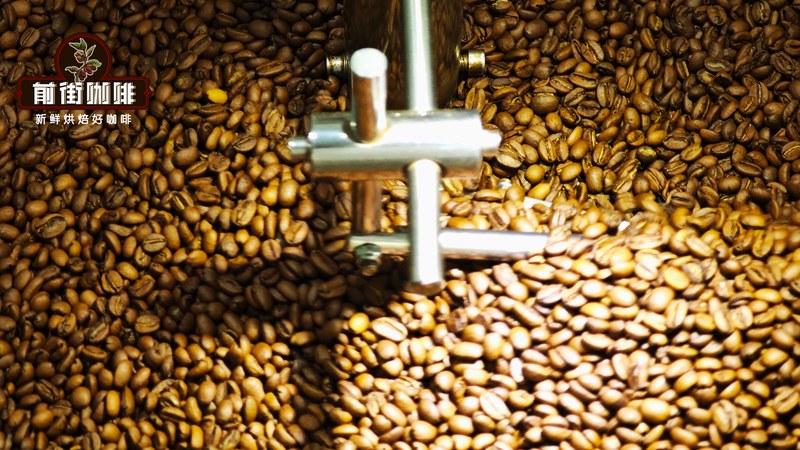
If you're looking for a balance between brightness and body,medium-light roastbeans may be the ideal choice. Beans in this range still retain floral and fruity tones, but offer increased sweetness and overall roundness. They are a great compromise for those who don't want an overly thin taste but still wish to reduce caffeine intake. It's recommended to maintain satisfaction througha lower coffee-to-water ratioorbrewing with a smaller cup size, while being mindful not to use excessively high water temperatures, which could amplify both acidity and astringency.
For example, some medium-light roasted beans from Colombia often feature fruit notes such as passionfruit, blueberry, grape, and apricot, delivering a vibrant taste with a juice-like layering. Hot pour over can fully express their fresh aromas, while cold pour over with ice can bring out a refreshing fruit drink-like flavor. If you've already consumed a certain amount of caffeine that day, consider reducing the coffee amount and using the cold pour over method for a small, shared cup. This allows you to enjoy the flavor without adding to your caffeine load.
Moving into theMedium Roastrange, sweetness, body, and overall balance take center stage. Common flavors include nuts, caramel, cocoa, or ripe fruit tones. Though these beans don’t necessarily contain less caffeine, they can deliver a complete taste experience with relatively less coffee powder—making them well-suited for breakfast, work breaks, or pairing with meals. It’s recommended to usea slightly coarser grindanda gentle pouring techniqueduring brewing to help minimize the buildup of bitterness, resulting in a smoother overall flavor.
As for the often perceived as bold and heavyDark Roastbeans, although they can still perform well in pour over, it is advised to avoid combining high temperature, fine grind, and long extraction time. If you wish to reduce caffeine intake, don’t assume you can drink more simply because it’s labeled “dark roast.” But if you’re drawn to cocoa and roasted aromas, you can achieve a solid yet not overly heavy cup experience by usinga smaller amount of coffee powder,a lower water temperature, anda shorter contact time.

When choosing low-caffeine pour over beans, don’t forget to check the caffeine-related information on the packaging. If you are particularly sensitive to caffeine, beans that have undergoneprofessional decaffeination processingwill be more effective than simply adjusting the roast level. If you only wish to slightly manage your daily intake, you can select roast levels according to your preferences and manage your consumption by adjusting the number of cups per day and the amount of coffee beans used per cup. Additionally, pour over doesn’t necessarily require a large filter—smaller servings can still showcase full flavor characteristics.
It’s suggested to start with aroundten grams of coffee powderpaired with a smaller amount of water as a gentle introduction to low-caffeine pour over. Then, gradually adjust based on the actual intensity and satisfaction level. During brewing, first smell the dry fragrance, then observe whether the acidity, sweetness, texture, and aftertaste are clear upon tasting. If the overall flavor feels too strong, prioritize adjusting the coffee amount or reducing the cup size rather than immediately switching roast types. With this approach, you can effectively manage your caffeine intake while continuing to enjoy the rich pleasures of pour over coffee.
The above content is compiled by CoffeeHunters, a coffee news website.


