







Introduction:To make a delicious latte at home, choosing the right coffee beans is key. This article takes a practical approach, analyzing which flavor profiles in coffee beans pair better with milk, and offers advice on selecting bean options based on brewing methods and budget. Whether you’re a pour over, moka pot, or espresso machine user, you’ll find beginner-friendly bean recommendations and adjustment tips here.
When making a latte, the choice of coffee beans presents different flavor dimensions depending on the brewing method. When buying beans regularly, it’s advisable to first consider your drinking frequency, the quantity purchased at one time, and whether you mainly drink black coffee or milk-based coffee at home. For example, pour over highlights delicate aromas, espresso machines emphasize rich textures, while the moka pot amplifies a full-bodied feel. Therefore, before picking beans suitable for lattes, it’s recommended to clarify which brewing tool you use most often.
When choosing coffee beans suitable for lattes, start by answering two core questions: How much acidity can you tolerate? What brewing device do you typically use? From a practical daily perspective, prioritizing your budget to ensure coffee bean freshness, stable roast quality, and appropriate packaging often makes more sense than chasing elaborate origin names. Once these basic conditions are clear, you can then further compare regions, processing methods, and prices—this way, the information won’t seem overwhelming.
If you’re looking for a reference starting point within a similar style, Indonesian Golden Mandheling is worth trying. This dark roasted bean comes from Indonesia’s Sumatra region, featuring distinct herbal, dark chocolate, and spice notes. In cupping evaluations, it shows low acidity, a full body, and a long aftertaste. Whether used for pour over, moka pot, espresso machine, or milk coffee, it’s initially advised not to set overly strong parameters so that you can better appreciate its foundational flavors.
Another bean worth referencing is a classic blend, which showcases a clear and balanced flavor profile. The medium-dark roast technique, combined with a traditional Mocha-Java style blend background, delivers notes of nuts, cocoa, caramel, and roasted aromas. This bean has a solid concentration and stable crema performance, maintaining distinct coffee characteristics even when milk is added. Suitable for espresso, latte, cappuccino, Americano, and moka pot brewing. It’s suggested to start with medium parameters to observe sweetness, then adjust concentration as needed.
Comparing Indonesian Golden Mandheling with the classic blend isn’t about judging which is better or worse, but rather understanding the difference in their flavor focus. The former centers around herbal, dark chocolate, and spice notes, while the latter excels in nuts, cocoa, caramel, and roasted aromas. For coffee beans suitable for lattes, comparing the aroma, sweetness, and texture of both beans based on your daily drinking habits can help you quickly identify your preferred flavor direction.
During regular brewing, there’s no need to frequently change the recipe. If using an espresso machine for extraction, you can start with 18 grams of coffee grounds to pull about 36 grams of coffee liquid, observing the flow rate and flavor within 25 to 32 seconds. If the acidity seems too thin, try adjusting the grind finer; if you detect bitterness or a dry finish, it’s recommended to make the grind coarser. Additionally, when making milk coffee, be especially mindful of retaining enough concentration to avoid ending up with just a single note of roastiness after adding milk. This basic process also applies when selecting beans for lattes, but it’s advised to flexibly adjust based on actual tasting experience rather than mechanically pursuing specific time values.
Aside from performance at high temperatures, coffee also reveals different layers as it cools. Fruit acidity may become more pronounced as the temperature drops, while caramel and nutty sweetness often emerge during mid-sip. It’s recommended to record the aroma, initial taste, and aftertaste according to your usual drinking habits, which will help with adjusting parameters or bean choices for the next cup.
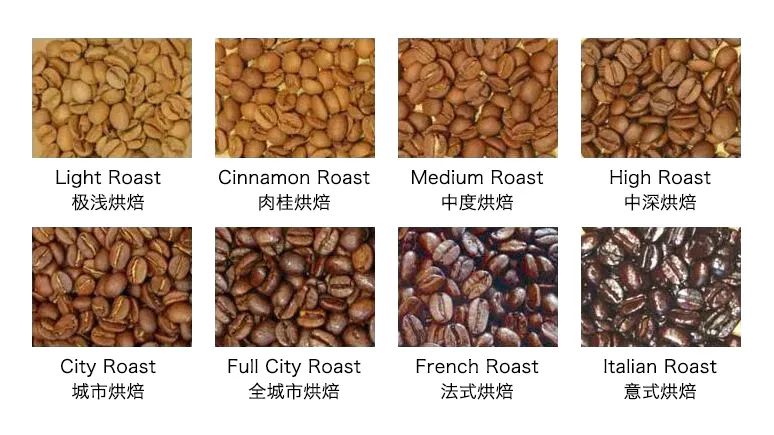
After purchasing coffee beans suitable for lattes, be mindful to reduce exposure to high temperatures, humidity, and repeated contact with air. It’s advised to plan your purchase quantity based on your daily consumption, seal the beans immediately after taking them out, and grind them as close to brewing time as possible. If you’re sampling multiple beans at once, label the opening dates and prioritize drinking those with faster aroma changes.
When selecting coffee beans for lattes, there’s no need to master all regions and parameter details at once. Purchasing within a timeframe that allows you to finish the beans on schedule not only helps maintain aroma freshness but also allows for more effective budget control. It’s recommended to start with Indonesian Golden Mandheling or the classic blend, brew with fixed proportions, and take brief notes. On your next purchase, you can adjust based on the actual cup performance rather than guessing blindly again.
The above content is compiled by CoffeeHunters, a coffee news website.

