








Introduction:Choosing the right coffee beans suitable for espresso extraction is the first step to brewing a great cup of coffee. This article explores how to select beans based on budget, roast level, and flavor characteristics, and explains the practical differences between medium-dark and dark roast beans. With useful extraction parameters and adjustment tips, it helps you find the coffee beans and brewing method that suit you best.
From coffee beans to a rich cup of espresso, the key steps in between are grinding and extraction. If you want to brew consistently flavorful coffee at home or in the office, choosing beans suitable for espresso extraction is essential. Besides considering your budget, you should also evaluate your consumption rate, the type of equipment you usually use, and whether you prefer black coffee or milk-based drinks. It’s recommended to first clarify your brewing habits and taste preferences, then choose the appropriate coffee beans accordingly—this will make your selection and adjustments more purposeful.
For everyday drinking, when selecting espresso beans, freshness, consistent roast quality, and proper packaging are often more practical than chasing rare or complex origin names. If you enjoy bright acidity and light body, you might consider light or medium-light roasts; if you prefer rich, full-bodied flavors with layers, medium or medium-dark roasts are better choices. It’s important to note that roast depth doesn’t directly equate to flavor intensity—brew ratios, grind size, and extraction time can also significantly affect the final body and taste profile.

Take a certain brand’s Brazilian Queen Estate as an example. This coffee uses beans from Brazil’s Minas Gerais region and is medium-dark roasted. Its flavor profile is clear, featuring distinct notes of nuts, cocoa, and caramel, along with a soft sweetness. The acidity is mild, and the mouthfeel is smooth. Adding milk highlights its sweet and aromatic qualities. This bean is suitable for various brewing methods, including everyday pour over, moka pot, Americano, and various milk coffees. It’s recommended to start with a basic parameter set, such as 18g of coffee grounds yielding 36g of liquid, then adjust slightly according to personal taste.
To better understand how flavors translate into actual cup performance, you can try comparing a certain brand’s PWN Indonesian Golden Mandheling. This coffee comes from Indonesia’s Sumatra region and is typically dark roasted, often presenting complex notes of herbs, dark chocolate, and spices. It has very low acidity, a thick and full-bodied mouthfeel, and a long aftertaste. It is also suitable for a wide range of brewing methods, including pour over, moka pot, espresso machines, and milk coffees. As with the others, it’s recommended to fix a set of parameters first, then gradually adjust to find your ideal flavor balance.
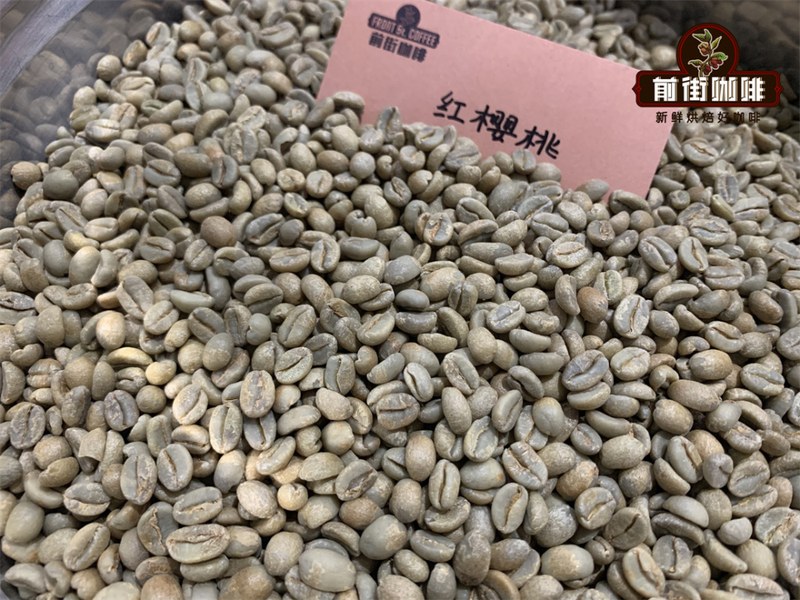
If you compare a certain brand’s Brazilian Queen Estate and their PWN Indonesian Golden Mandheling side by side, the focus isn’t on determining which is better or worse, but on understanding their respective flavor profiles. The former emphasizes notes of nuts, cocoa, caramel, and soft sweetness, making it suitable for those who enjoy a mellow and balanced taste; the latter excels in herbal, dark chocolate, and spicy notes, appealing to coffee lovers who prefer bold and deep flavors. By actually brewing and tasting both, and observing their differences in aroma, sweetness, and texture, you can more quickly identify your preferred coffee style.
In daily brewing, you don’t actually need to frequently switch beans or recipes. If you mainly use an espresso machine or moka pot, it’s recommended to use about 18g of coffee to extract around 36g of liquid as a baseline, and observe the flow rate and overall flavor within 25 to 32 seconds. If the acidity feels too thin, try grinding finer; if you notice obvious bitterness or a dry aftertaste, then it’s advisable to grind coarser. Additionally, when making milk coffee, be sure to preserve enough coffee strength to avoid ending up with just a flat roasted flavor after adding milk. These basic adjustment principles apply to most coffee beans suitable for espresso extraction, but the most important thing is to fine-tune based on actual drinking conditions, rather than rigidly sticking to fixed time or numerical values.
Also, it’s suggested that you try tasting the same coffee both hot and iced, which can help you more fully understand its flavor potential. When hot, the aroma is usually more expressive and the flavor layers easier to reveal; at lower temperatures, acidity and brightness may stand out more. If you add milk, pay special attention to whether flavor elements like cocoa, nuts, or fruitiness remain distinct even in cold drinks.
In summary, choosing the right coffee beans for espresso extraction is key to finding beans whose flavors meet your expectations, whose performance with your equipment is stable, and whose parameters can be logically adjusted. Purchasing beans that you can finish in a timely manner not only maintains their aromatic quality but also helps manage your budget more effectively. Whether it’s a certain brand’s Brazilian Queen Estate or their PWN Indonesian Golden Mandheling, both can serve as practical references for exploring flavor directions. Through hands-on comparison and fine-tuning, you can gradually find the coffee beans and brewing style that suit you best.
The above content is compiled by CoffeeHunters, a coffee news website.

