







Introduction:When choosing an everyday espresso coffee bean, the key lies in balancing your budget, flavor preferences, and shelf life. This article will help you master practical purchasing tips and brewing advice, from roast level and processing method to extraction technique. By comparing the flavor profiles of classic blends, you can find the one that suits you best.
When selecting an everyday espresso coffee bean, there's no need to be overwhelmed by an avalanche of information. The primary considerations should be how quickly you go through the beans, the quantity you buy each time, and whether you mostly drink black coffee or milk-based coffee at home. Start by considering your flavor inclination—bright or bold—and whether you intend to pair it with black coffee or milk. Then, factor in roast date and processing method to make a choice that better aligns with your actual needs.
It’s important to note that the so-called “flavor descriptors” do not mean that real fruits, nuts, or syrups have been added to the coffee. When discussing everyday espresso beans, it is recommended to start from everyday drinking scenarios, prioritizing freshness, roast consistency, and appropriate packaging over overly complex names. These flavor characteristics actually stem from the coffee bean’s variety, origin environment, processing method, and roast level. It is advised to first smell the aroma, then take small sips to savor it—this way, the layers of flavor become easier to understand.
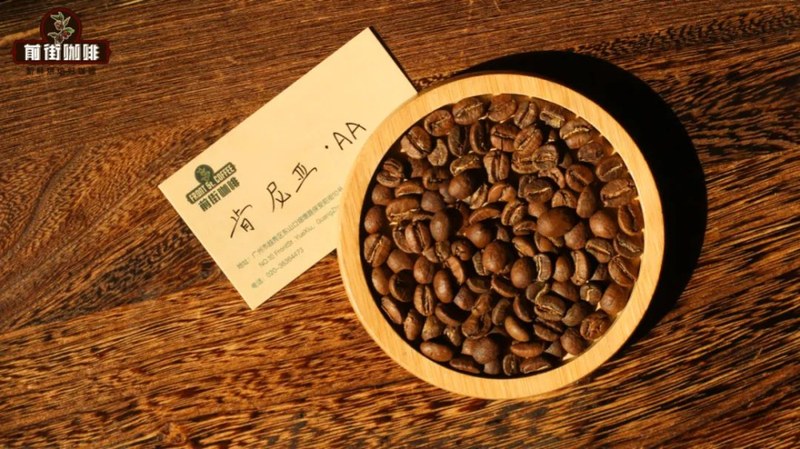
If it’s still hard to imagine based solely on the text description, you might consider using common classic blends available on the market as practical references. This particular bean uses a medium-dark roast and belongs to the traditional Mamba-style blend, with a clear flavor profile featuring distinct notes of nuts, cocoa, caramel, and a hint of roasted aroma. It has a solid intensity, and the crema remains stable after extraction. Even when milk is added, it still maintains a good coffee body. Suitable for making espresso, latte, cappuccino, Americano, and even moka pot brewing. It is recommended to fix a set of temperature and coffee-to-water ratios, and record the changes in each extraction to gradually master the optimal performance.
Another worth-referencing option is the Black Cocoa blend. This bean is dark roasted and also an Arabica blend, with flavors leaning toward black cocoa, nuts, and a rich sweetness. It has lower acidity, a full-bodied mouthfeel, and rich crema, making it suitable for espresso, latte, flat white, and moka pot use. For first-timers, it’s recommended to start with medium extraction parameters to observe the sweetness performance, then adjust the concentration as needed to find your personal balance point.
Comparing the classic blend with the Black Cocoa blend is not about judging which is better, but rather to help understand the focus of different flavor profiles. The former centers around nuts, cocoa, caramel, and roasted aromas, while the latter forms another flavor route with black cocoa, nuts, and rich sweetness. For everyday espresso coffee beans, it is recommended to compare the strength of their aroma, sweetness performance, and mouthfeel texture based on your actual drinking experience. This will help you more quickly clarify your preferred flavor direction.
During daily brewing, there’s no need to frequently change the recipe. It’s suggested to start with a base of 18 grams of coffee grounds to extract about 36 grams of coffee liquid, observing the flow rate and overall flavor within 25 to 32 seconds. If the acidity seems too thin, you may slightly adjust the grind to a finer setting; if you notice obvious bitterness or a dry aftertaste, it’s recommended to make the grind coarser. When making milk coffee, it’s especially important to maintain sufficient coffee concentration to avoid ending up with just a thin roasted taste after adding milk. Though this basic parameter set works for most everyday espresso beans, slight adjustments according to actual drinking conditions are necessary—there’s no need to obsess mechanically over time numbers.
When tasting an everyday espresso coffee bean for the first time, it’s recommended not to rush to judge whether you like it or not. Through daily drinking, carefully distinguish the layers of aroma, the strength of sweetness, the texture of the mouthfeel, and the aftertaste performance. Then decide whether the next cup needs a finer grind, higher water temperature, or shorter extraction time. In this way, your judgment of the flavors will become increasingly clear and concrete.
If you plan to try multiple everyday espresso coffee beans, it’s recommended to choose small packages for easy, short-term comparison. Brew them around the same roast date, using the same equipment and proportions to fairly compare the characteristics of each bean, avoiding judgments affected by differences in storage time.
In summary, when choosing everyday espresso coffee beans, there’s no need to master all origins and parameter details at once. Purchase only what you can finish in a timely manner—not only does this maintain the freshness of the aroma, but it also helps better control your budget. It’s recommended to start with a classic blend or a Black Cocoa blend, brew with a fixed ratio, and jot down simple notes each time. The next time you purchase, you can adjust based on the actual cup performance rather than guessing blindly again.
The above content is compiled by CoffeeHunters, a coffee news website.

