








Introduction:When using a moka pot, it’s common to encounter issues such as being unable to unscrew the pot after brewing or having the coffee grounds basket stuck. These problems are actually closely related to the roast level of the coffee beans, how they are stored, and the brewing parameters used. This article provides an in-depth analysis on how to choose the right coffee beans based on your personal drinking habits—from the flavor differences between light and dark roasts, key settings like grind size and water temperature, to post-opening storage tips. It offers practical advice to help you brew smooth coffee while solving common moka pot usage issues.
The roast level of coffee beans directly affects the final flavor profile: light roasts highlight bright acidity and fruity floral aromas, making them ideal for those who prefer a refreshing taste; medium roasts strike a balance between sweetness and acidity/bitterness, offering a mild and layered flavor; dark roasts bring intense notes of nuts, cocoa, and caramel, with a bold and full-bodied mouthfeel. No matter which roast level you choose, the key is how it pairs with your brewing method.
When using a moka pot, coffee is extracted using steam pressure, so the coffee grounds basket only needs to be gently filled—there’s no need to tamp it down firmly. The grind size should be slightly coarser than that used for espresso, and the water level can be controlled by following the markings on the pot or using the safety valve position as the upper limit. Keep the amount of coffee grounds consistent each time. It is recommended to heat with low flame; once the coffee begins to flow steadily and the color gradually lightens, you can turn off the heat. This helps effectively avoid over-extraction, which can lead to bitter and burnt flavors.
For the common question “Why does my moka pot get stuck and I can’t unscrew it after brewing?”, you can evaluate from several aspects: your preferred flavor type, commonly used brewing equipment, desired drinking temperature, and daily usage frequency. When selecting coffee beans, it’s recommended to first clarify the most important factors to you—for example, whether you prioritize bright fruit acidity or a rich chocolatey profile—and then make your selection based on other considerations. This not only preserves your personal flavor preferences but also allows the coffee beans to showcase their unique characteristics during actual brewing.
For example, certain origin coffees, due to their unique processing methods and flavor profiles, are especially well-suited for use with a moka pot. Take the Bird of Paradise from Papua New Guinea—it has a clean flavor and a round cup profile, with soft sweetness and a texture close to that of Blue Mountain style, making it very suitable for drinkers who prefer a low-acidity, balanced taste. Meanwhile, Indonesia’s Golden Mandheling features herbal and dark chocolate notes, with a solid body and low acidity. Whether you prefer a darker roast, or are using it for moka pot or Americano brewing, it performs consistently. As for the Queen Estate beans from Brazil, they focus on nutty, cocoa, and caramel sweetness, with mild and unassertive acidity. They are suitable for various brewing methods including pour over, espresso, and moka pot, offering a consistently smooth mouthfeel.
When choosing coffee beans, aside from flavor, the roast date and storage method are equally crucial. It is recommended to seal the beans immediately after opening and store them in a cool, dry place. Purchase quantities should match your daily consumption so you can clearly track how the flavor changes over time. Before brewing, first smell the dry aroma, then carefully assess the flavors, sweetness, and aftertaste upon tasting. If you find the aroma weak, first check if the grind is too coarse or if the beans have been stored for too long. Additionally, the same beans may perform differently when served hot, iced, or with milk. It is recommended to record multiple brewing parameters to gradually find the combination that best suits your taste.
Flavor preferences and brewing difficulty can actually be considered separately. For instance, beans with prominent fruity and floral notes usually demand higher precision in terms of water temperature, grind size, and pouring rhythm, making them more suitable for experienced brewers. In contrast, blends leaning toward nutty and cocoa profiles offer more stable cup results, making them better suited for everyday drinking. If there are multiple people in the household consuming coffee, it is recommended to select one balanced base bean for daily use, then add single-origin beans based on individual preferences. This approach is easier for comparison and adjustment compared to buying multiple beans of similar styles at once.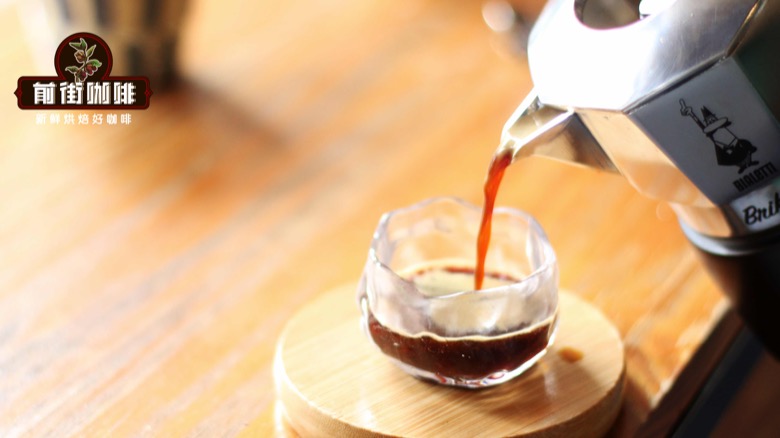
The details of how beans are stored after arrival will directly impact the quality of each cup of coffee. After opening, it is essential to seal them properly and store them in a cool, dry place. The purchase quantity should be planned according to your daily consumption so you can more accurately monitor flavor changes. During brewing, first smell the dry aroma, then pay attention in sequence to the in-mouth flavors, sweetness, and aftertaste. If you notice a lack of aroma, it is recommended to first confirm whether the grind is too coarse or if the beans have been stored for too long. The same beans will show significant differences when made into hot drinks, iced drinks, or when milk is added. It is recommended to log several brewing parameters to gradually identify the cup profile and recipe that works best for you.
If your usual equipment, drinking habits, or flavor preferences often change, it is recommended to divide your coffee selection into two categories: daily staples and exploration picks. One part ensures that each brew delivers consistent results, while the other allows you to experience different fruit, nut, cocoa profiles or unique processing methods. Once you determine your preferred roast direction, you can then refine the flavor through adjustments in grind size, water temperature, and brewing time. This approach is more systematic and goal-oriented than constantly trying new beans.
The above content is compiled by CoffeeHunters, a coffee news website.

