







Introduction:Want to know if a moka pot can really explode? In fact, as long as you master the correct usage method and safety precautions, you can enjoy rich coffee with peace of mind. In addition to debunking common myths, this article will also teach you how to adjust grind size, water temperature, and extraction pace to bring out different flavor layers in each brew and find your own perfect recipe.
The flavor profile of a moka pot is actually closely related to roast level. Light roast beans emphasize floral and fruity aromas with bright acidity, making them ideal for those who prefer a refreshing taste; medium roast performs well in sweetness and overall balance, suiting various brewing methods; dark roast excels in rich nutty, cocoa notes and a full-bodied mouthfeel, favored by milk coffee lovers. However, rather than simply pursuing a certain roast level, it's more important to find a brewing method that suits your personal taste.
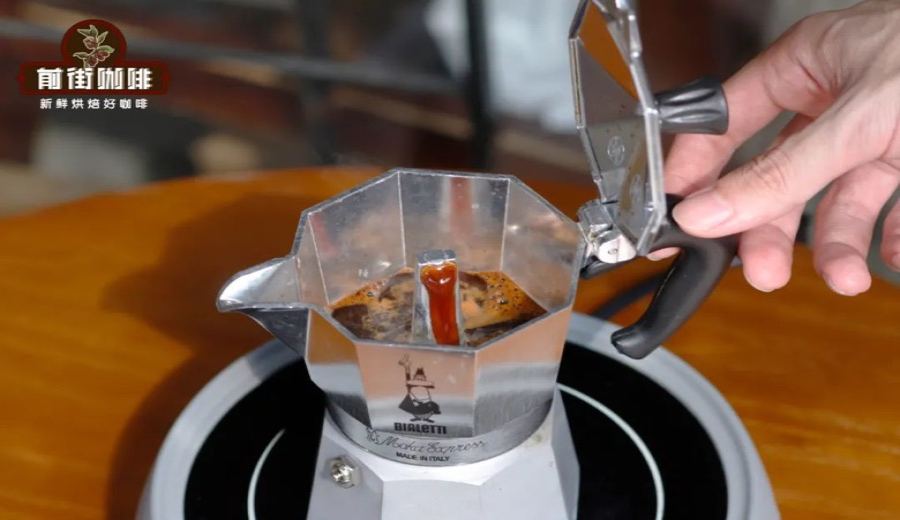
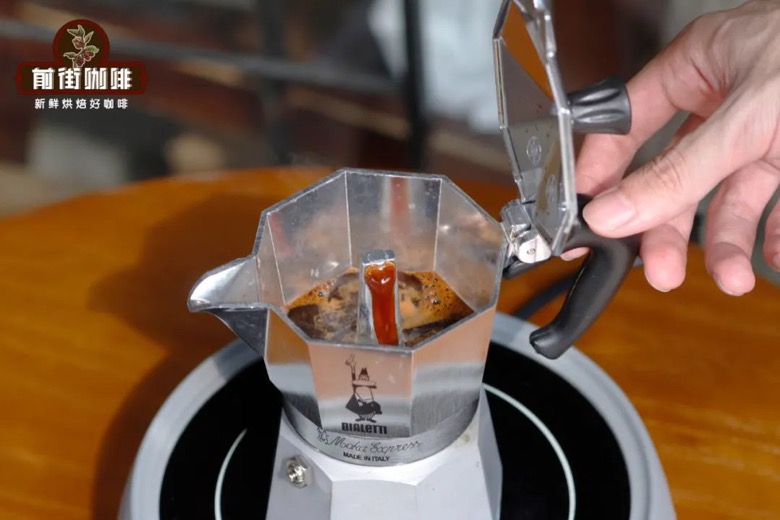
When using a moka pot, its extraction principle mainly relies on steam pressure. The correct approach is to fill the filter basket completely with coffee grounds, butdo not tamp it down forcefully, as this will hinder water flow. It is recommended to use a grind size slightly coarser than that for espresso, with the water level controlled at the marked line on the pot or below the safety valve. Keep the amount of coffee consistent. Use low heat when heating, and when the coffee starts to flow steadily and the color lightens, turn off the heat immediately. This effectively prevents over-extraction and reduces the chances of bitter and burnt flavors.
< >
Many people worry about "Will a moka pot explode?" In fact, such concerns mostly stem from excessive heating or neglecting the status of the safety valve. To reduce risks, it is recommended to evaluate from several aspects: What are your flavor preferences? What equipment do you usually use? What drinking temperature do you prefer? And how often do you use it daily? Based on these conditions, combined with the choice of roast level, you can find the most suitable combination for yourself, which not only meets individual taste needs but also allows the characteristics of the coffee beans to fully shine.
For example, PWN Indonesian Golden Mandheling has a herbal base and a dark chocolate finish, with a rich body and low acidity, making it very suitable for use with a moka pot or for making Americano. Brazilian Queen Estate features nutty and cocoa notes as the main profile, with a caramel sweetness in the aftertaste and soft acidity. Whether it's pour over, espresso, or moka pot, it can deliver a rounded and balanced flavor. In addition, classic blends centered around nuts, cocoa, and caramel are rich and bold, suitable for espresso machines and moka pots, and also make a great everyday milk coffee option.
Besides choosing beans,roast date and storage methodare also extremely important. After opening, coffee beans must be sealed and stored in a cool, dry place, and purchased according to actual consumption amounts so you can clearly observe how the flavors change over time. Before brewing, first smell the dry aroma, then taste the flavors, sweetness, and aftertaste in the cup. If you feel the aroma is lacking, it may be due to incorrect grind size or the beans being stored for too long. Additionally, the same beans may perform differently under various brewing methods (hot drink, over ice, with milk), so it’s recommended to record several brewing parameters and gradually find the cup of coffee that suits your palate best.
When selecting coffee beans, you might set two directions: one is the flavor type you prefer, and the other is the brewing difficulty you can handle. Typically, beans with prominent floral and fruity notes have higher requirements for water temperature, grind size, and pouring rhythm; while nutty and cocoa-flavored blends are usually more stable and suitable for everyday drinking. If you share the coffee at home with multiple people, it’s recommended to first choose a well-balanced bean as an everyday option, then add different single-origin beans with varying flavors or origins based on personal preference. This makes it easier to compare differences compared to buying multiple beans of similar styles all at once.
Finally, a reminder: roast date and storage habits are often key factors influencing coffee flavor performance. After opening, be sure to seal them properly, store in a cool, dry environment, and purchase according to daily consumption to clearly monitor the beans’ flavor changes. When brewing, start by smelling the dry aroma, then savor the flavors, sweetness, and aftertaste in the cup. If you notice the aroma is weak, check the grind size and storage time. Additionally, different brewing methods (hot drink, over ice, with milk) can offer vastly different sensory experiences. Record your findings, and the profile of your ideal cup of coffee will gradually become clear.
< >
If the equipment you commonly use at home, your drinking habits, or taste preferences often change, it’s recommended to divide your beans into two categories: “everyday beans” and “exploration beans.” Everyday beans provide stable performance, while exploration beans allow you to try different flavors, such as floral and fruity notes, nutty profiles, or special processing methods. Once you have a clear preference for roast direction, fine-tuning grind size, water temperature, and extraction time often yields better control over your ideal flavor than frequently switching beans.
The above content is compiled by CoffeeHunters, a coffee news website.

