







Introduction:To brew delicious coffee with a moka pot, the key lies in mastering the extraction time and the technique of turning off the heat at the right moment. This article details how to determine the optimal timing to turn off the heat by observing the extraction status, from aspects such as bean roast level, grind size, and flame control, thereby bringing out the aroma, sweetness, and aftertaste of the coffee and elevating each brew to a refined experience akin to pour over.
Coffee beans of different roast levels exhibit vastly different flavor profiles: light roasts retain bright acidity and floral notes, medium roasts offer a balance of sweetness and flavor, while dark roasts often bring out intense nutty, cocoa, and full-bodied textures. When using a moka pot, choosing the right type of beans and roast level can better align with your brewing method and drinking habits.
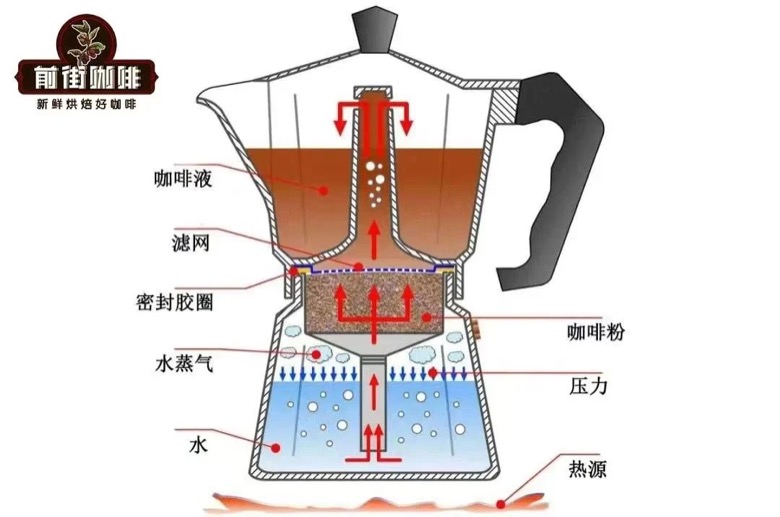
The working principle of a moka pot is to use the steam pressure generated by heating the lower chamber to push water through the coffee grounds for extraction. When filling the coffee grounds, simply fill the filter basket without additional tamping—over-tamping can impede water flow and affect extraction evenness. It is recommended to use coffee grounds that are slightly coarser than espresso grind, and to control the water volume at the water level mark on the pot body or just below the safety valve. Keep the amount of coffee grounds stable and avoid frequent changes.

During extraction, it is recommended to use a low flame throughout. When you observe that the coffee liquid begins to drip continuously and the color gradually lightens, it is time to turn off the heat. Extinguishing the heat promptly can prevent over-extraction, which leads to burnt bitterness and astringency, allowing the coffee to retain layered aromas and a lingering aftertaste. Understanding "when to turn off the heat in a moka pot" and mastering the "brewing time with a moka pot" are the first steps to improving brew quality.
When selecting coffee beans, you can consider factors such as flavor preference, commonly used brewing equipment, desired drinking temperature, and daily brewing frequency. If you value the expressive characteristics of the beans, start by clarifying which factor matters most to you, then gradually narrow down the options based on roast level, processing method, and other factors. This approach not only highlights your personal taste but also allows each bean to showcase its unique personality.
For beans with different flavor profiles—for example, those with notes of dark chocolate and nuts—they typically pair well with the rich extraction of a moka pot, bringing out a full-bodied sweetness and a mellow texture. At the same time, storage methods are extremely important: beans should be kept sealed, protected from sunlight and moisture, and purchased in quantities based on actual consumption. This helps track the flavor changes of the beans over time. Before brewing, smell the dry aroma, and when tasting, pay attention to the flavors upon entry, the expression of sweetness, and the aftertaste to more fully grasp the characteristics of that particular bean.
When you find the coffee lacks aroma, check whether the grind size is appropriate or if the beans are past their prime. Additionally, the same beans may perform differently under various conditions such as hot drinks, iced coffee, or adding milk. It is recommended to try multiple brews and keep records to find the flavor combination and brewing method that suits you best.
When facing "preferred flavors" and "acceptable brewing difficulty," consider them as two separate choices. Beans with bright fruity notes usually require higher precision in water temperature, grind size, and pouring rhythm, making them suitable for experienced users to challenge. In contrast, blends based on nuts and cocoa offer stable performance and are more suitable for everyday use. If you have a large household, you might prioritize selecting a flavor-balanced bean as a base option, then complement it with different single-origin beans to satisfy individual preferences. This approach makes it easier to compare and appreciate differences compared to buying multiple beans of similar styles all at once.
The moka pot’s coffee-to-water ratio is recommended based on the pot's capacity. You can begin heating for extraction once the coffee grounds layer is leveled. If the coffee tastes too bitter, try reducing the flame, turning off the heat earlier, or using a coarser grind. If the flavor is too light, ensure there is enough coffee grounds and that the pot is properly sealed. Clarifying these two common issues can help you adjust your brewing strategy more accurately.
When your brewing equipment, drinking habits, or flavor preferences change, categorizing beans into everyday-use and exploration options becomes more practical. Everyday beans ensure stable extraction quality, while exploration beans allow you to discover different flavors, processing methods, and origin characteristics. Once the roast direction is determined, fine-tuning factors such as grind size, water temperature, and extraction time can help you better grasp the potential and performance of each bean, rather than frequently switching bean varieties.
The above content is compiled by CoffeeHunters, a coffee news website.

