








Introduction:Choosing coffee beans suitable for pour over is not just about their name or origin — it also requires a comprehensive assessment based on brewing equipment, roast level, and personal preference. This article explores how to bring out the diverse flavors of coffee by adjusting parameters and pairing with different tools, focusing on sweetness, fruity notes, and complexity. We’ve also selected a few beans with distinctive flavor profiles and provided practical brewing tips to help you find your perfect cup.
The same coffee bean can perform very differently when brewed using pour over, espresso, or a moka pot. Pour over emphasizes clarity of aroma and well-defined layers, espresso highlights a balance between concentration and sweetness, while the moka pot requires precise control over pressure, heat, and coffee bed thickness. Ignoring the characteristics of the brewing tool and choosing beans blindly not only fails to bring out the flavors but also makes it difficult to adjust parameters effectively.
The flavor profile of pour over coffee results from the interplay of origin, variety, processing method, roast degree, and brewing parameters. Light roasts often deliver pronounced floral and fruity notes, while medium roasts better highlight sweetness and body. Water temperature, grind size, and pouring rhythm directly influence the release sequence and expression of aromas. Therefore, it’s often difficult to accurately predict a bean’s brewing performance based solely on its variety name.

If you’re looking for beans that are “suitable for pour over, with prominent fruity notes and clear sweetness,” consider the following aspects: your personal flavor preferences, commonly used brewing equipment, preferred drinking temperature, and daily consumption frequency. Clarify what matters most to you first, then filter beans accordingly. This approach preserves your individual style while allowing each bean to showcase its unique strengths during actual brewing.
In terms of aroma, for example, a certain brand’s Ethiopian Huikaui offers tropical fruit, strawberry, and passion fruit notes, with a bright and refreshing sweetness. It performs well in both pour over, iced pour over, and cold brew, presenting clear flavors. A certain brand’s Kenyan “Little Tomato” features cherry tomatoes, black plums, and brown sugar as dominant notes, with bright acidity and rich layers, a clean and crisp aftertaste, and an intense, direct juiciness. Another bean, a certain brand’s Kaffa Forest, has a light entry accompanied by orange, ripe apricot, and oolong tea aftertastes. Its sweetness becomes even more prominent as it cools, which is one of its delightful surprises.
The overall tasting experience from dry fragrance to aftertaste requires good storage habits to remain consistently enjoyable. After opening, beans should be kept as airtight as possible in a cool, dry place, and it’s recommended to purchase small quantities based on your drinking frequency. If you notice a decline in aroma, first check whether the grind is too coarse or if the beans have been stored for too long. The same beans may perform differently under various brewing methods (hot, iced, or with milk), so it’s advisable to experiment multiple times and record parameters to find the cupping combination that suits you best. Additionally, roast date is an important reference — freshness significantly impacts flavor expression.
While enjoying flavors you love is important, being willing to adjust brewing parameters for them is key. Beans with strong fruity notes often require more precise control over water temperature and pouring rhythm, whereas blends leaning toward nutty and cocoa profiles are more stable and suitable for daily drinking. If you share your coffee with different household members, it’s advisable to start with a balanced-flavor bean as the base, then use single-origin beans to satisfy individual tastes. This approach makes it easier to compare differences compared to buying multiple beans with similar styles at once.
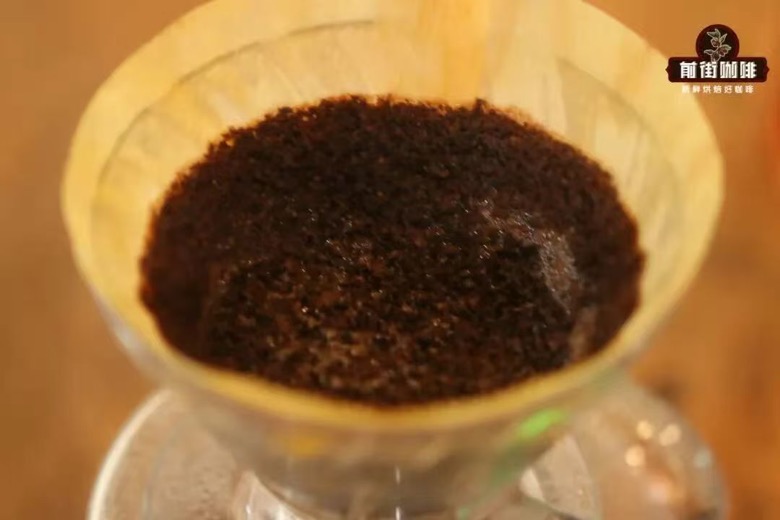
When performing pour over, it’s recommended to first fix the coffee-to-water ratio and total brew water volume, using grind size as the main adjustment tool. If the entry feels overly sharp, it may be under-extracted; if the tail end shows astringency, try reducing agitation and ending extraction earlier. Adjusting one parameter at a time will yield clearer and more distinct comparisons.
As your equipment, drinking habits, and taste preferences continue to evolve, consider dividing your coffee list into a “stability line” and an “exploration line”: one for daily reliable brewing, the other for new experiences such as floral and fruity notes, nutty tones, or special processing methods. During testing, first fix the coffee dose and water volume, then change only one variable at a time. This makes it easier to identify the true flavor characteristics of the beans.
The above content is compiled by CoffeeHunters, a coffee news website.


