







Introduction:When selecting pour over coffee beans, beginners often get caught up in the myth of flavor diversity. In fact, it’s more effective to start with a bean that has a clear flavor profile and high compatibility. This article will guide you on how to choose suitable pour over beans based on key indicators such as body thickness and clarity, and share the practical impacts of roast level, grind settings, and brewing techniques to help you establish a clear flavor reference and gradually enhance your pour over experience.
When just starting out in the world of pour over, rather than blindly pursuing a wide range of bean flavors, it’s better to focus deeply on one bean: choose a variety with a clear flavor outline and high adaptability to various brewing parameters. Fix the dosage, grind size, and water temperature, and carefully observe the mouthfeel, layers of sweetness, and aftertaste performance to gradually build your personal flavor database.
The final flavor of pour over coffee is the result of a combination of factors: the terroir, coffee variety, green bean processing method, roast depth, and brewing parameters. Light roasts typically release more floral and fruity aromas, while medium roasts highlight sweetness and a rich texture. Meanwhile, slight adjustments in water temperature, grind coarseness, and pouring rhythm can all change the order and intensity of aroma release. Instead of trying to guess flavors based solely on the bean variety name, it’s better to comprehensively observe the impact of these variables.
If you’re choosing based on “commonly used pour over beans,” consider breaking down the decision into several core elements: your personal flavor preferences, commonly used brewing equipment, preferred coffee drinking temperature, and daily consumption frequency. For beginners, it’s recommended to first clarify what matters most to you, and then use that as a basis to filter other conditions. This approach preserves your personal preferences while also allowing each bean to showcase its distinct characteristics during actual brewing.
If you prefer a juice-like bright acidity, while also valuing a clean and restrained finish, you might consider trying options with flavor notes of cherry tomato, dark plum, and brown sugar — these beans offer bright acidity without being thin, and are beginner-friendly.
Another common choice presents a refreshing fruit aroma of orange and apricot, paired with a mild lingering sweetness reminiscent of oolong tea. The mouthfeel is light, and as the temperature slightly drops, the sweetness often becomes more pronounced. It’s recommended to wait a little after brewing before tasting.
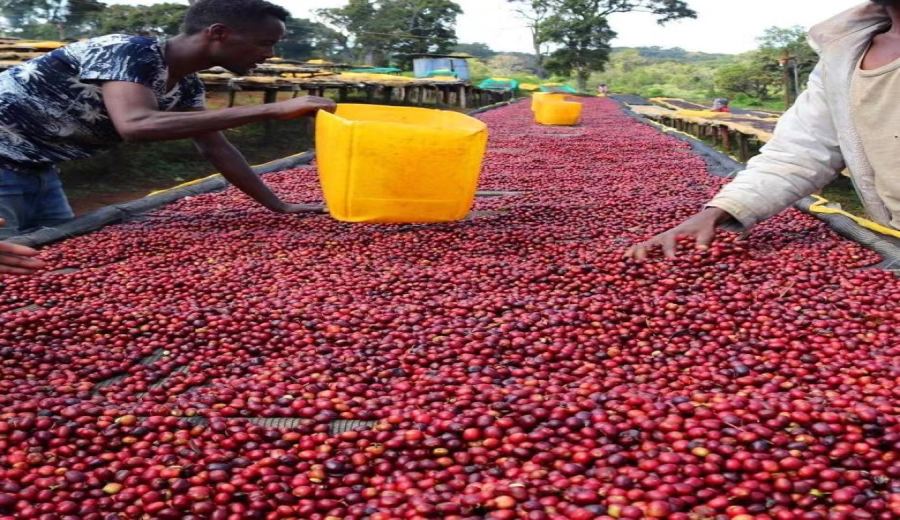
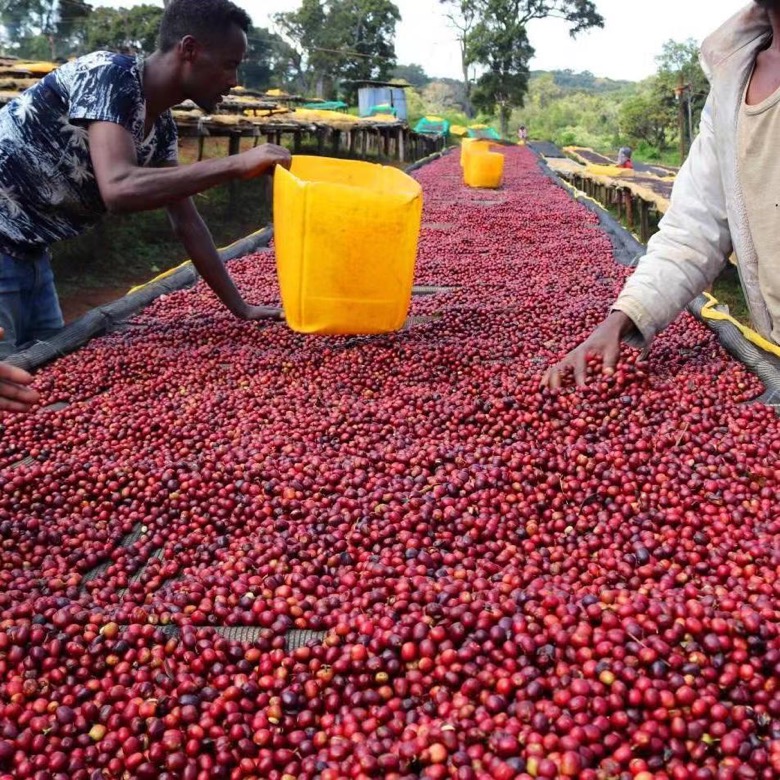
If you enjoy complex layers, sun-dried beans with aromas of orange blossom, guava, apricot, and strawberry jam are also great choices for exploring layered flavors in pour over. By adjusting the pouring technique, you can more clearly observe their flavor evolution.
In addition to the beans themselves, the roast date and storage environment also significantly affect coffee performance. Once the bag is opened, it should be sealed as much as possible and stored in a cool, dry place. It’s advised to buy only the amount needed for daily use, which makes it easier to control flavor changes. Before brewing, try sniffing the dry aroma, then sequentially observe the entrance stage, sweetness release, and aftertaste. If the aroma feels weak, first check whether the grind is too coarse or if the beans have been stored for too long. Also, the same bean consumed in different forms — hot, iced, or with milk — can present completely different profiles. Recording a few brewing parameters can help identify the most suitable way for you to enjoy it.
Separating your personal flavor preferences from the effort you’re willing to put into brewing can make the bean selection process smoother. Beans with prominent fruity notes usually require more attention to water temperature, grind size, and pouring rhythm, while nut and cocoa-based blends are relatively stable and more suitable for daily drinking. If there are multiple coffee lovers in your household, it’s a good idea to prepare one balanced base bean first, then add single-origin beans according to each member’s preferences. Compared to buying a large quantity of beans with similar flavor profiles at once, this approach makes it easier to appreciate the differences.
In the early stages of learning pour over, it’s recommended to first fix the coffee-to-water ratio and total brew water volume, using grind size as the main adjustment tool. If the entrance feels sharp or overly stimulating, it’s usually under-extracted, and you can slightly adjust to a finer grind. If a dry or astringent sensation appears in the tail, reduce agitation or shorten the contact time between coffee and water. Adjust only one variable at a time, and after a few rounds of testing, you’ll be able to more accurately pinpoint the issue.

As your equipment, habits, and personal taste continue to evolve, it’s recommended to divide your bean list into two main categories: “staple line” and “exploration line.” One is responsible for consistent daily output, while the other offers fresh experiences through floral and fruity notes, nutty tones, or special processing methods. Fully understand the flavor characteristics of one bean first, then try changing the roast level or processing method. The insights gained from this comparative process will be deeper and more valuable as a reference.
The above content is compiled by CoffeeHunters, a coffee news website.


