








Introduction:Have you ever noticed that the same coffee beans can produce slightly different flavors each time you brew them using a pour over method? Or perhaps you’ve brewed an exceptionally amazing cup once—but could never quite recreate it? In reality, the consistency of flavor in pour over coffee is not some “mystical art,” but is closely related to key variables such as grind size, water temperature, extraction time, and coffee-to-water ratio. This article will analyze from a scientific perspective how these factors influence coffee extraction efficiency, and help you understand how to achieve—and even fine-tune—your ideal coffee flavor through precise control.
Many pour over enthusiasts have encountered this issue: using the exact same coffee beans, yet ending up with cups that vary in flavor each time. Sometimes you might get lucky and brew a well-balanced, complex cup that’s sweet and acidic, but then struggle to replicate that same flavor later. As a result, some begin to believe that coffee extraction is a kind of “mystical art.”
However, the truth is, coffee extraction is actually a quantifiable and repeatable scientific process. Simply put, it involves using water as a solvent to extract various flavor compounds from coffee grounds. What affects how much and how quickly these compounds are released mainly comes down to several key variables:grind size, water temperature, extraction time, and coffee-to-water ratio. These factors determine which flavor compounds are released, how much of them are extracted, and ultimately influence the overall flavor profile.

When discussing their brewing experiences with others, many people often express frustration over “the flavor being different each time” or “having brewed an amazing cup once but never being able to recreate it.” They often attribute this inconsistency to luck, believing that whether the coffee tastes good or not is purely random—thus viewing the extraction process as something elusive and “mystical.”
But is extraction really uncontrollable? Absolutely not. By mastering the correct parameters and procedures, you too can consistently brew coffee with your desired flavor profile, and even make fine adjustments according to your personal taste preferences.
Take Ethiopia’s “Huila Huipangui” (commonly referred to as “Huigui” or “Flower Queen”) beans as an example. When using15 grams of coffee grounds,a 1:15 coffee-to-water ratio(i.e., a total of 225 milliliters of water), along witha sugar-like fine grind (approximately 75%–80% passing through a #20 sieve), and employing atwo-minute, three-pour brewing method, you can typically achieve a cup with clear, balanced acidity and sweetness, featuring distinct notes of citrus, strawberry, cream, and soft floral aromas. The cup is clean on the palate with a long, lingering aftertaste.
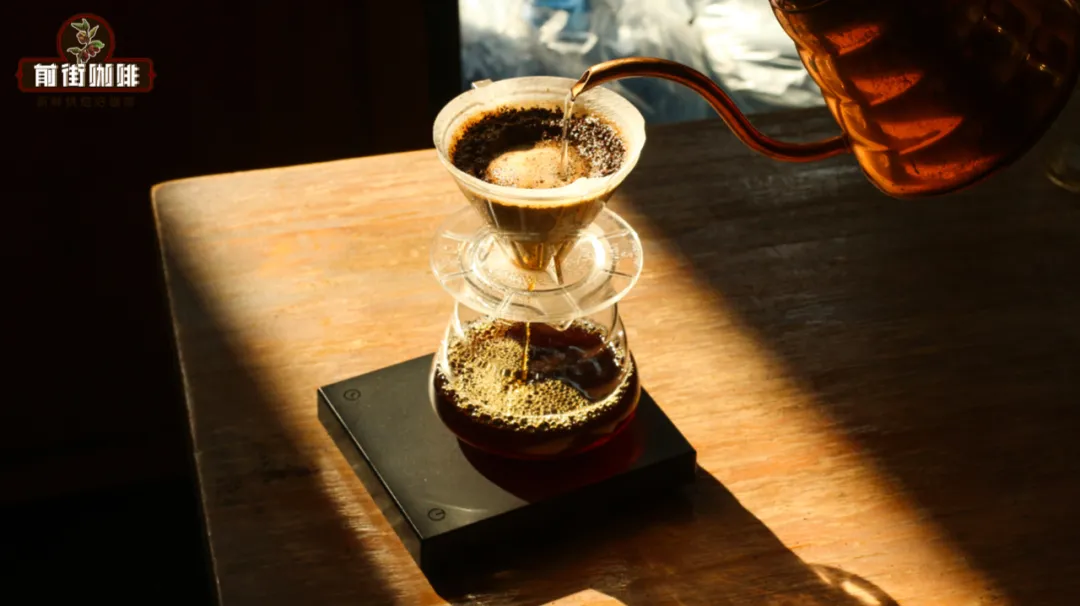
The reason this set of parameters can consistently yield good extraction results is because it ensures that the release of flavor compounds is neither excessive nor insufficient.When you use consistent parameters and steps, the proportion of soluble substances released from the coffee becomes more stable, and thus the flavor profile remains relatively consistent as well.
On the other hand, if you don’t time your brew, don’t measure water temperature, and don’t precisely control the amount of coffee or water used—relying solely on feel and experience—then each brew may have slightly different conditions, leading to vastly different final flavors. This is also why many people feel like every pour over is like “drawing a lottery,” with unpredictable outcomes.
Therefore, if you want to reliably recreate a satisfying cup of coffee you’ve brewed before, it’s recommended to start by recording the parameters of each brew, including coffee dosage, water temperature, grind size, coffee-to-water ratio, pouring method, and total extraction time. This not only helps you reproduce the same flavor in the future, but also assists in identifying issues like under-extraction or over-extraction, allowing you to gradually adjust toward the optimal state.
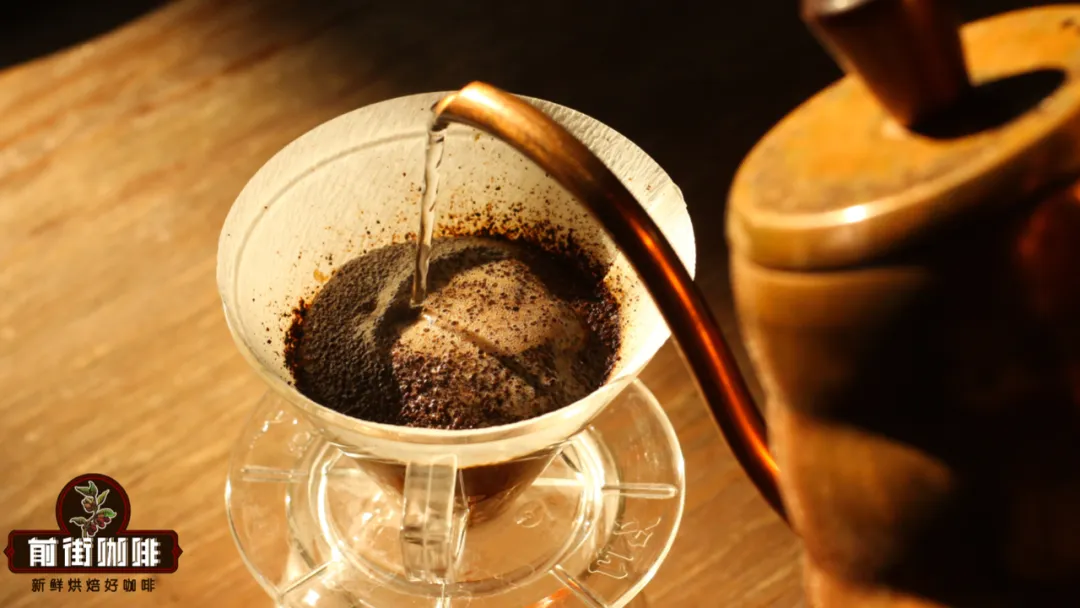
Some also believe that adjusting parameters to change the flavor of coffee—making it more acidic or sweeter—is a form of “subjective flavor tuning,” and even consider it part of the “mystical art.” But in fact, there’s solid scientific reasoning behind this as well.
The basic taste profiles in coffee—acidic, sweet, bitter, and salty—dissolve in water at different rates. Generally speaking,acidic compounds dissolve the fastest, followed by sweet compounds, while bitter compounds dissolve the slowest. Therefore, during the extraction process, if the brew time is short, acidic and sweet compounds are more likely to be released, while bitter ones haven’t had much chance to dissolve; conversely, extending the extraction time will also bring out more bitter components.
Once you understand this, you can purposefully control the final flavor outcome by adjusting extraction parameters. For instance, if you prefer a bright, sweet-and-acidic taste, you can shorten the extraction time, use a slightly higher water temperature, and opt for a medium-fine grind. This allows the acidic and sweet compounds to fully develop, while avoiding excessive bitterness.
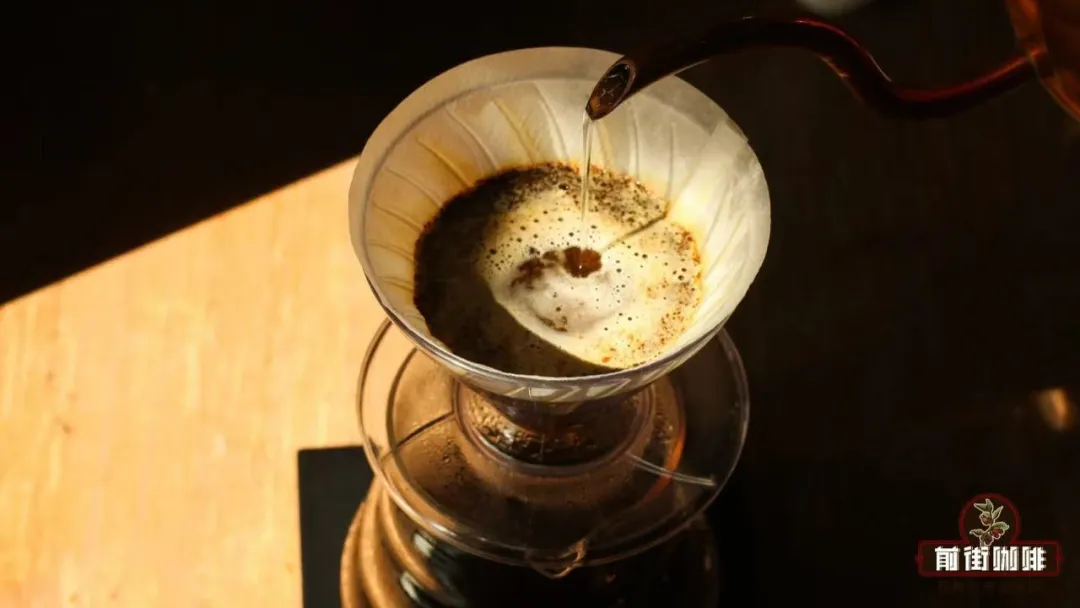
If you’d like a more balanced flavor, you can slightly extend the extraction time—for example, from two minutes to two and a half minutes. During those extra 30 seconds, more flavor compounds (including some bitter elements) will be released, helping to balance the overall profile so the coffee doesn’t taste overly sharp or thin.
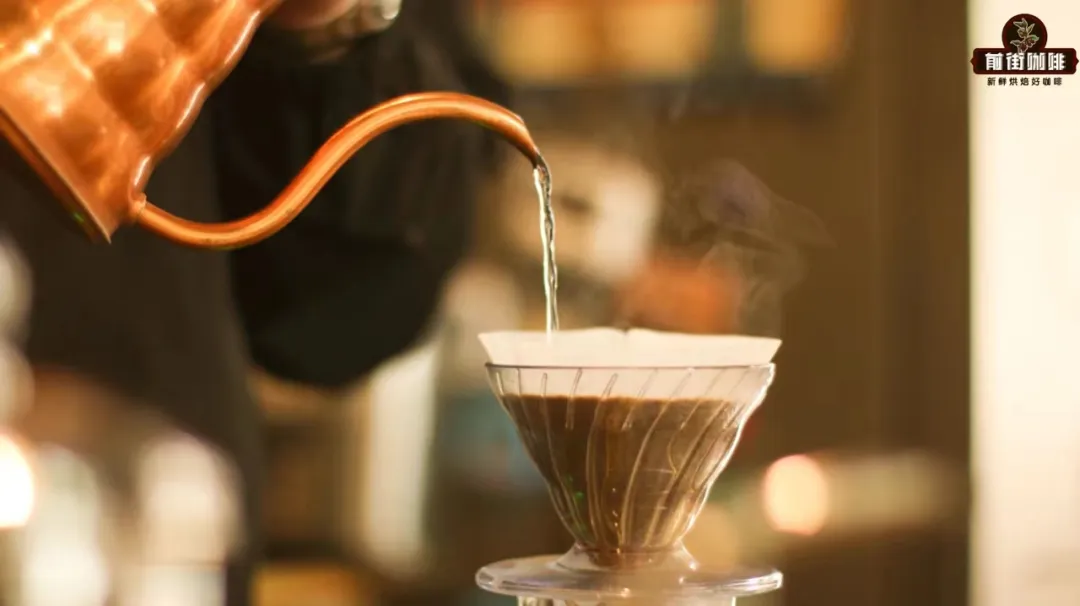
In addition, the release of aromatic compounds is also closely tied to extraction conditions. Different volatile aromatic compounds are released at varying rates; some emerge early, while others require more time or specific temperatures to fully develop. Therefore, by controlling time, water temperature, and grind size, you can also indirectly influence the aroma of the coffee.
In summary, the stability and diversity of flavor in pour over coffee is not an uncontrollable mystery. By systematically recording and adjustinggrind size, water temperature, coffee-to-water ratio, and extraction time—these key elements—you’ll be able to more accurately reproduce, or even customize, your ideal coffee flavor. Next time you brew an amazing cup, don’t forget to jot down the parameters, so that deliciousness isn’t just a matter of chance.
The above content is compiled by CoffeeHunters, a coffee news website.


