








Introduction:Should you select coffee beans before brewing? This article delves into the causes, visual characteristics, and flavor impacts of moldy beans, insect-damaged beans, black beans, and quakers, while also providing practical identification tips. Through real-life examples, it helps you understand the necessity of bean selection to enhance the overall performance and flavor purity of your pour over coffee.
Many coffee enthusiasts have seen experts on social media share their bean selection process before pour over brewing, believing it can improve the final brew quality. In reality, this is mainly done to remove defective beans that may introduce undesirable flavors. These defective beans may be moldy, insect-damaged, over-fermented, or underdeveloped, not only affecting flavor but even potentially altering the performance of the entire brew.
Defective beans generally refer to coffee beans with obvious external or internal flaws, which may stem from improper processing, poor storage, or even pest infestation. Although the degree of defectiveness varies, almost all of them negatively impact the flavor of the coffee. Especially when a small number of severely defective beans are mixed in, the overall flavor can be significantly diminished.

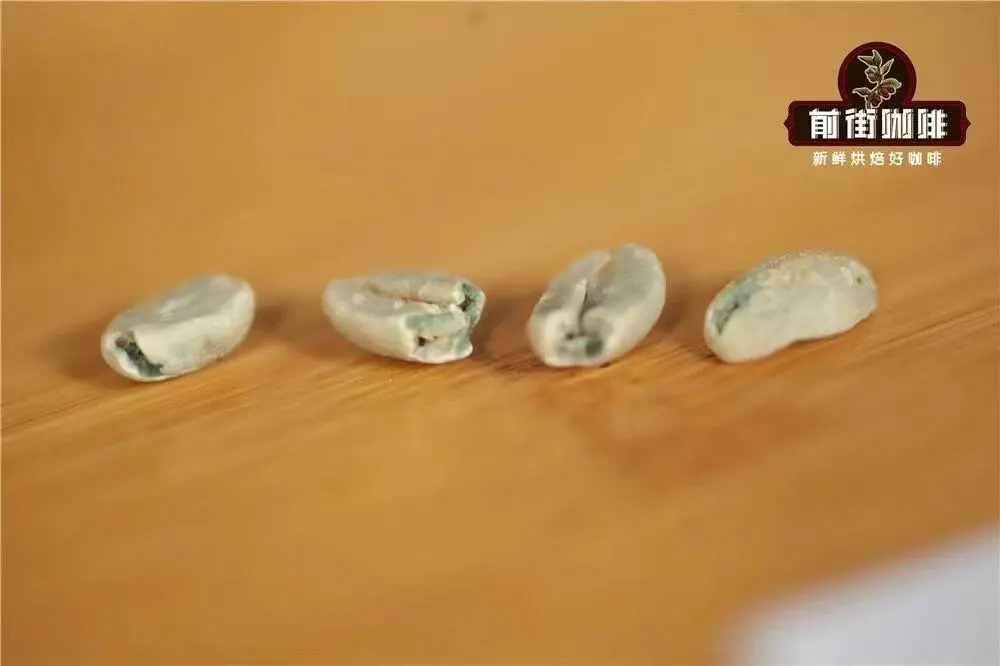
Common types of defective beans that have a greater impact on flavor include moldy beans, insect-damaged beans, black beans, and quakers. Moldy beans usually occur due to humid environments during processing or storage, leading to mold growth. These beans often emit unpleasant odors such as mustiness or rancidity, and may appear discolored or shriveled either partially or entirely. However, after roasting, these abnormalities may sometimes become less noticeable, so extra caution is still needed.
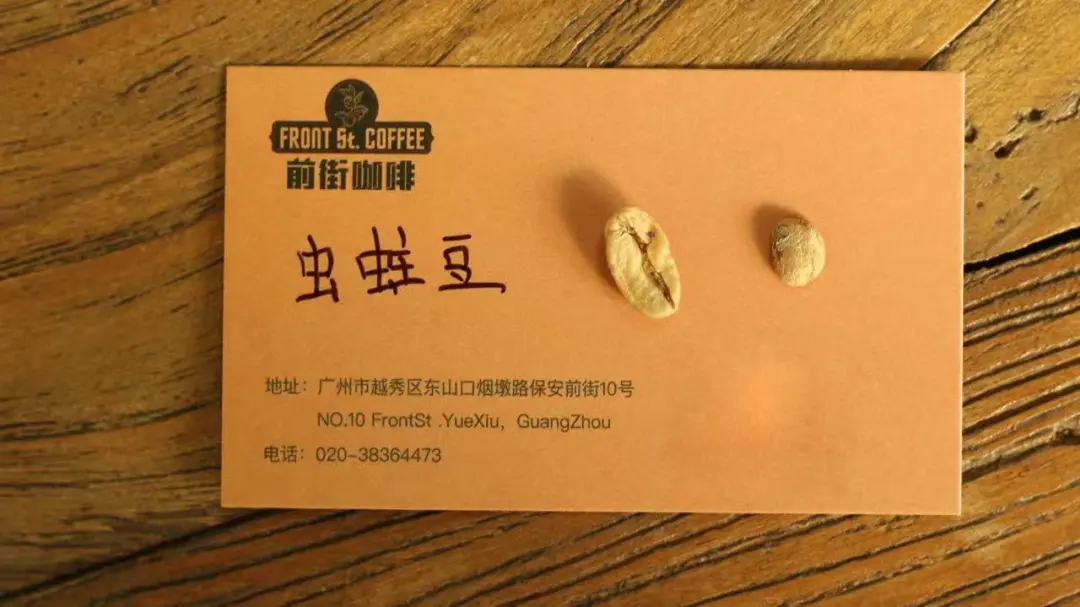
Insect-damaged beans are green beans that have been bitten by insects during their growth period. The most obvious visual characteristic is the presence of small holes on the bean surface, which remain clearly visible even after roasting. These beans not only tend to produce musty flavors but may also carry chemical-like off-notes, as insect damage makes them more susceptible to secondary mold infection, further worsening the flavor.
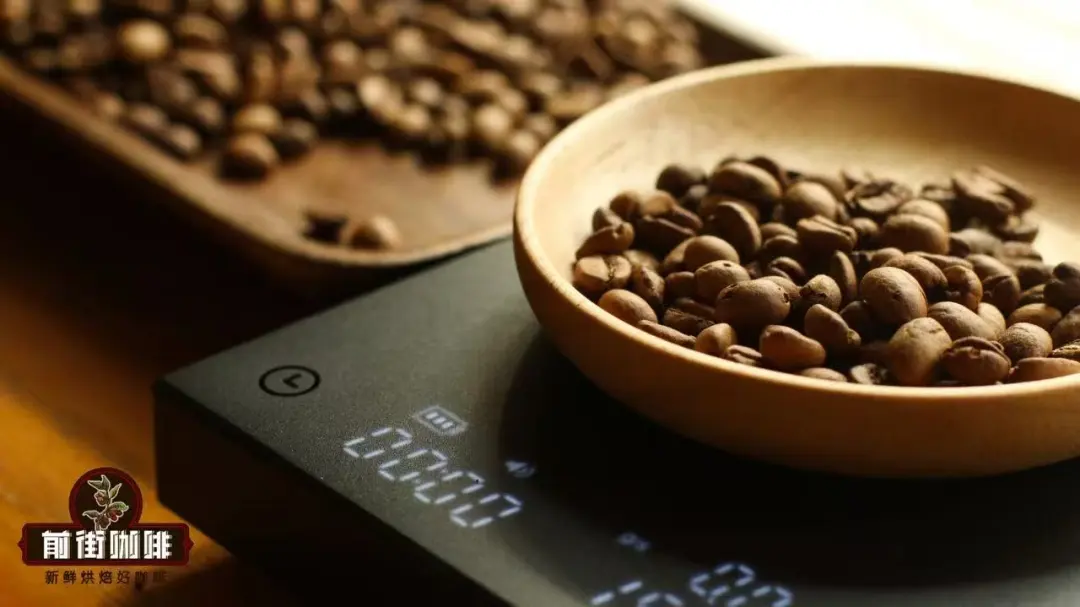
Black beans, as the name suggests, are coffee beans that appear pitch black or dark brown, usually resulting from abnormal development, post-drop fruit bacterial infection, or over-fermentation during processing. These beans often bring negative flavors reminiscent of mold, noticeably interfering with the coffee’s overall cleanliness and aroma expression.
Quakers are a relatively special and less noticeable type of defective bean. They are underdeveloped coffee beans with low sugar content, resulting in limited aroma development during roasting. In their green bean state, quakers look similar to normal beans and are hard to distinguish, but after roasting, due to weaker reactions, their color appears noticeably lighter, making them easily identifiable. Quakers lead to brewed coffee with a thin flavor and lack of complexity.
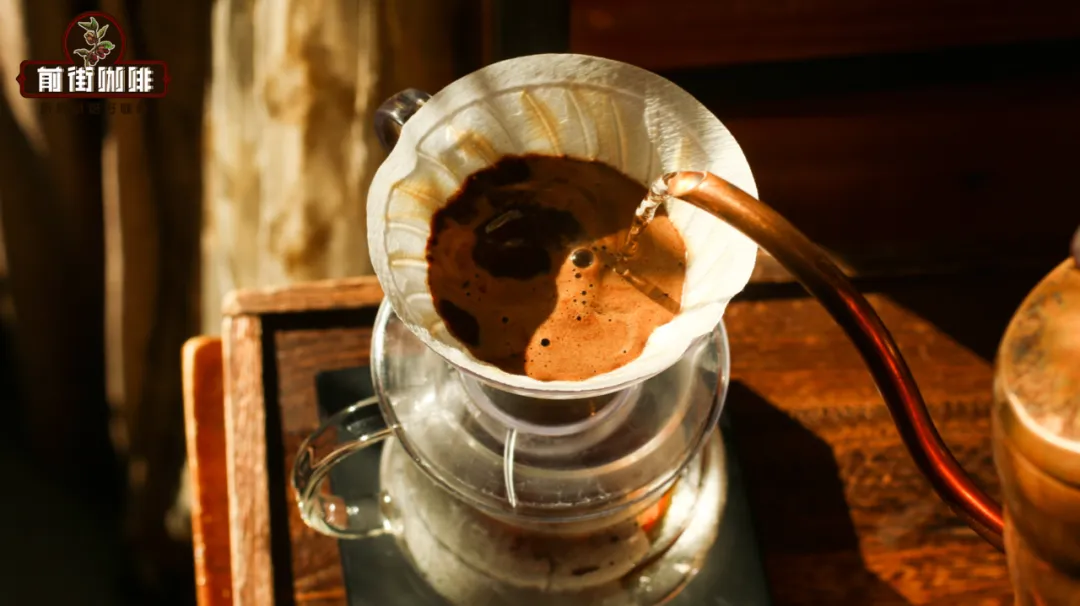
All of the aforementioned defective beans can negatively affect the overall flavor of coffee to varying degrees. If you have the habit of selecting beans before pour over brewing, it is recommended to pay special attention to these types. Additionally, besides defective beans, it’s also advisable to remove non-bean impurities such as small stones, which, although they don’t affect flavor, may damage grinders or pour over equipment.
However, if the coffee supplier you choose has strict screening processes before and after roasting—such as conducting multiple rounds of manual and machine sorting—then the necessity of self-selecting beans decreases. Taking the industry’s common quality control procedures as an example, many well-known brands begin multiple screenings upon the arrival of green beans, and conduct further inspections before and after roasting to ensure each batch meets a certain quality standard, avoiding defects that could affect overall performance.
For instance, a 15g pack of Panamanian Boquete Geisha coffee beans, after undergoing rigorous screening, often contains none of the aforementioned defective beans. Such beans, when brewed, can showcase a purer flavor profile, such as delicate floral notes, bright citrus tones, and a finish with hints of green tea and honey, delivering a clean and layered taste experience.
In summary, whether you need to select beans before pour over brewing depends on your demand for flavor purity and your level of trust in the supplier. If you wish to further ensure the coffee’s performance, spending a minute to remove obvious defective beans can indeed enhance your brewing experience.
The above content is compiled by CoffeeHunters, a coffee news website.


