







Introduction:Dark roast coffee is often misunderstood as monotonously bitter, but in reality, from its aromatic layers to the aftertaste, it boasts a rich flavor profile. This article takes Jamaica Blue Mountain No.1 and Indonesian Golden Mandheling as examples to analyze how dark roasted beans express different flavors across origins. It also delves into scientific principles behind the bold taste by exploring roasting parameters such as expansion rate and moisture loss. Along the way, you’ll experience the layered sweetness amid bitterness and the lingering aftertaste that light roasts struggle to deliver—helping you rediscover the multifaceted charm of dark roast coffee.
In an era where specialty light roasts are all the rage, dark roast coffee still enjoys a loyal following. So what is the allure of dark roast beans? Take Jamaica Blue Mountain No.1 and Indonesian Golden Mandheling—two classic dark roast beans—as examples, and you’ll find their aromatic profiles showcase completely different characters.
Tracing back to 2000 years ago, dark roast was once the market mainstream, and for many, the first impression of coffee was its strong bitterness. Back then, common ways to soften the bitterness included adding milk or sugar, or even opting for instant coffee. With the rise of the specialty coffee movement, light roast beans captivated newcomers with their fruity and floral notes, yet some “new generation” coffee enthusiasts began to wonder: “Is dark roast really that bitter—do people actually enjoy it?”
However, upon deeper conversations with dark roast aficionados, you’ll find their reasons for loving it are far more diverse than imagined. Chief among them is the rich and captivating aroma of the coffee. These aromas result from high-temperature, long-duration roasting processes, where Maillard reactions and caramelization transform the beans into complex scents like toasted, chocolatey, caramel, nutty, and creamy—steady and soothing, which are often the very fragrances that stop people in their tracks at coffee shops.
It’s worth noting that dark roast aromas aren’t one-size-fits-all. Influenced by bean variety, origin, and degree of roast, they vary significantly. For instance, Golden Mandheling carries not just roasty notes but also unique spices and subtle smoky undertones; Jamaica Blue Mountain No.1 emits an indescribably elegant and soft fragrance that’s comforting and pleasant; while Brazil Queen Estate’s dark roast beans often showcase a rich hazelnut character.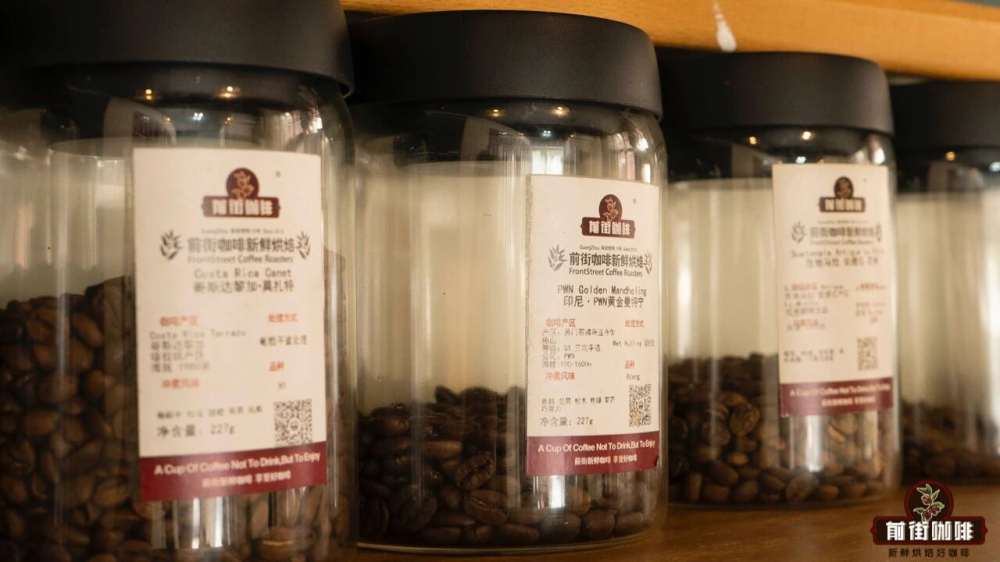
These differences prove that dark roast coffee aromas can be just as nuanced and layered—not confined to a single note of bitterness.
Moving on to mouthfeel, dark roast coffee often feels richer and fuller than light roast beans using the same dose. There's science behind this phenomenon: during dark roasting, the beans exhibit a higher expansion rate and a looser internal structure, making it easier for soluble compounds to be extracted. At the same time, dark roasting increases moisture loss and reduces bean weight, so 15g of dark roast coffee grounds contain more particles than light roast—resulting in naturally higher concentration under the same brewing parameters.
Additionally, darker roasting generates compounds that enhance body and richness, while also accentuating the bitter characteristics of caffeine and trigonelline, further intensifying the overall mouthfeel. These combined factors create the unparalleled heft and oral satisfaction that dark roast coffee offers—one of the main reasons many drinkers are drawn to it.
Finally, we must mention the sweetness profile of dark roast coffee. The initial strong bitterness might make it hard to detect its sweetness at first sip, but as you continue drinking, you’ll gradually notice delicate layers of sweetness emerging. Take Jamaica Blue Mountain No.1 for example—you might initially perceive only the roasty notes of chocolate and nuts, but upon the second sip, subtle sweetness akin to caramel and malt sugar begins to surface, adding to the enjoyment.
Even more special is how the bitterness quickly fades after swallowing, making way for a distinct and strongly contrasting aftertaste—a lingering finish that light roasts struggle to replicate. This is a key factor that makes dark roast coffee so beloved by many coffee enthusiasts. Rich aroma, full body, and captivating aftertaste together form the core appeal that keeps drawing drinkers back to dark roast.
The above content is compiled by CoffeeHunters, a coffee news website.


