







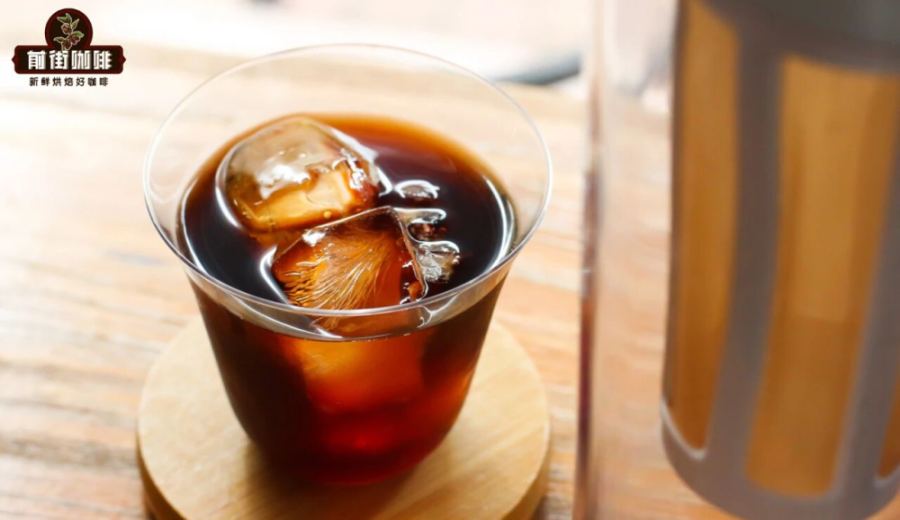
Introduction:Want to easily make smooth and layered cold brew coffee at home? Though the steps are simple, neglecting three key parameters—coffee-to-water ratio, grind size, and steeping time—can easily result in an overly salty or intense brew. This article starts with common pitfalls, analyzes the causes of flavor imbalance in cold brew, and offers practical advice to help you consistently brew a balanced and delicious iced coffee.
Among various coffee brewing methods, cold brew is relatively hassle-free and beginner-friendly. Simply mix coffee grounds with cold water in proportion, let it sit in the fridge for a while, and filter it the next day to enjoy. As long as you choose the right coffee beans, the results are usually quite good.
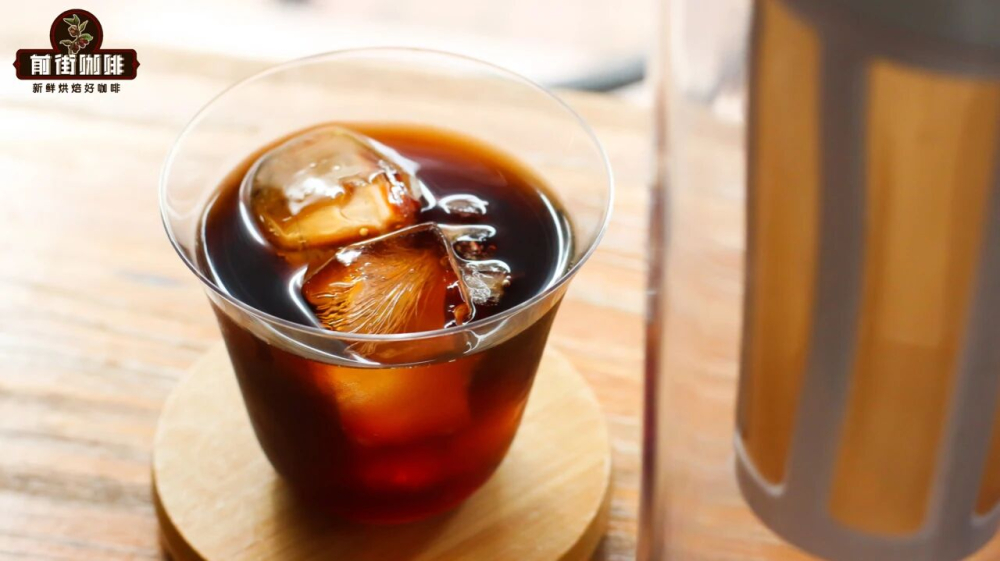
For beginners, though the process isn’t complicated, many still end up with cold brew that’s either too salty or overly intense. Common issues include unbalanced flavors, heavy mouthfeel, or even an undesirable soy-sauce-like saltiness—often due to key parameters not being properly adjusted.
The four main factors affecting the final flavor of cold brew coffee are: water temperature (though cold brew typically starts with room temperature or cold water), grind size of the coffee grounds, steeping time, and most importantly, the coffee-to-water ratio. These variables directly influence extraction yield and concentration, ultimately determining whether the cold brew is smooth and balanced or overly harsh and bland.
Many first-timers may encounter brews that taste overly salty, intensely bitter, or have an unpleasant heaviness. This often happens when the coffee-to-water ratio is too high, or the grind is too fine and the steeping time too long, causing over-extraction and bringing out sharp saltiness and astringency that should be smooth.
Generally, when the sweet and bitter compounds in coffee are under-extracted, saltiness and acidity tend to stand out. These flavors should normally be balanced by more complex layers, but in cases of extraction imbalance, they become exaggerated, making the coffee taste off.

How can you avoid these common issues? First, it’s recommended to start by adjusting the coffee-to-water ratio. For cold brew, a commonly recommended base ratio is 1 gram of coffee grounds to 10–12 milliliters of water. If you like to add ice cubes, you can go with a 1:10 ratio so the melting ice dilutes the brew for a more balanced taste; if you plan to drink it straight without ice, a 1:12 ratio is advised to avoid dilution that would weaken the flavor intensity.
Additionally, if your coffee still tastes too salty even after adjusting the ratio, you may need to look into your grind size and steeping time settings.
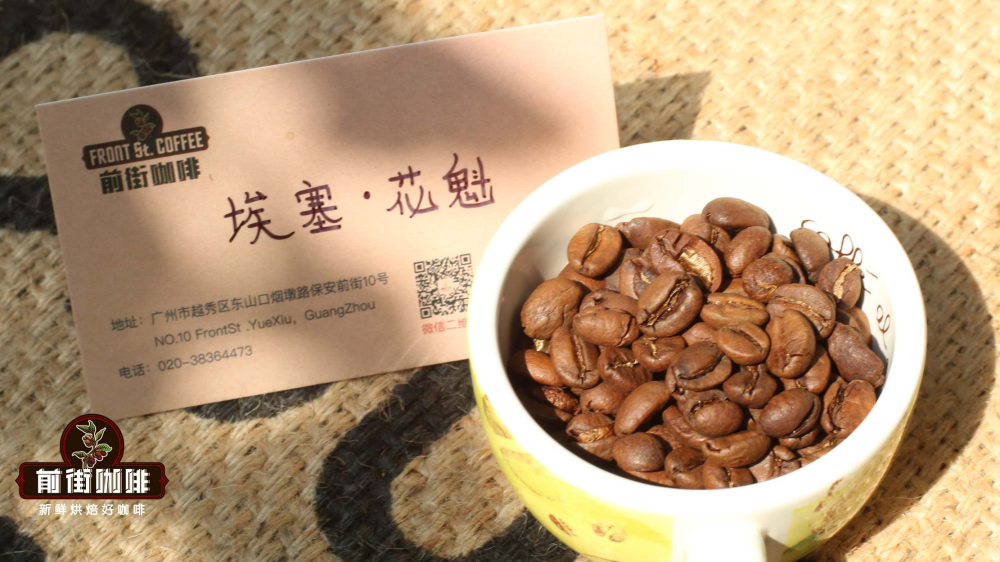
Regarding grind size, it’s suggested to fine-tune based on the standard for pour over coffee. If you’re using medium to light roasted beans with prominent fruity notes—such as those from Ethiopia—it’s recommended to aim for a grind that allows about 75% to 80% of the grounds to pass through a #20 sieve, which is slightly coarser than the medium-fine grind used in typical pour over. This setting helps extend extraction time while avoiding over-extraction that could bring out sharp acidity and saltiness.
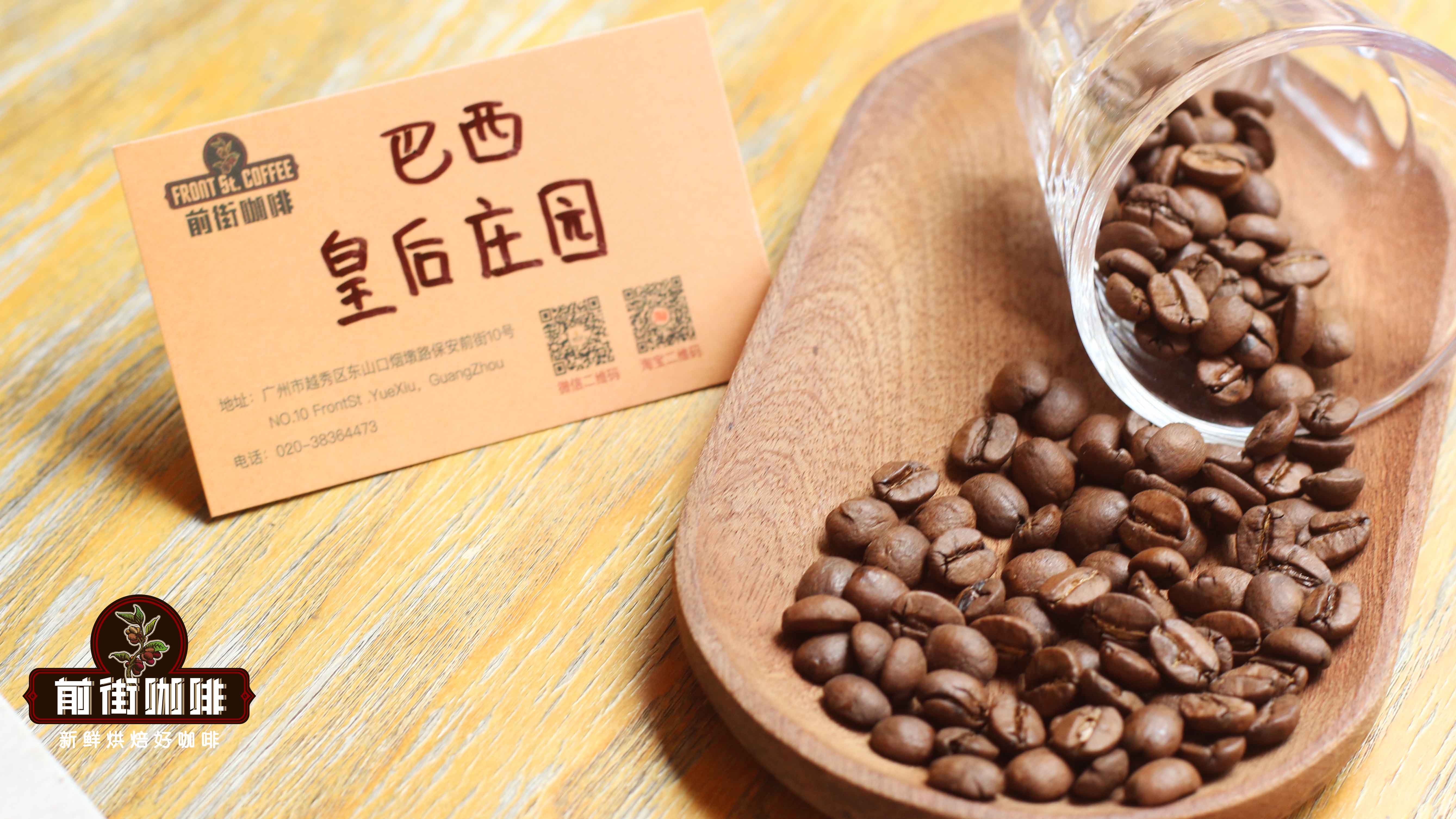
For medium to dark roasted beans with caramel or chocolatey profiles—such as those from Indonesia’s Sumatra or Golden Mandheling—it’s advisable to use a coarser grind, aiming for around 70% to 75% passing through a #20 sieve, roughly similar to the coarseness of French press. A coarser grind reduces the risk of over-extraction, resulting in smoother and less cloying coffee flavors.
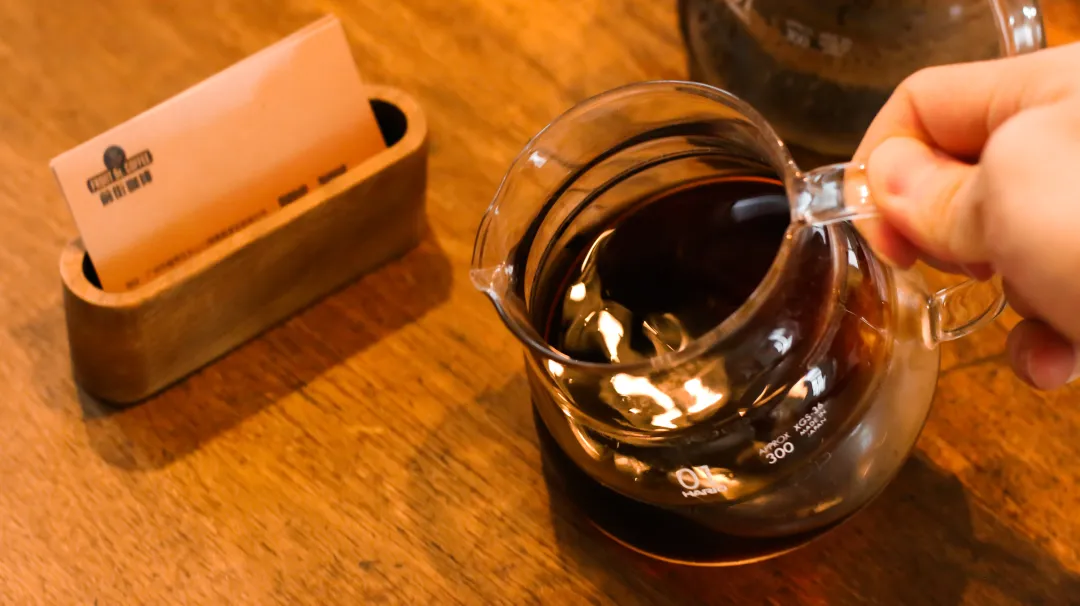
As for steeping time, cold brew doesn’t have as strict a time constraint as pour over or espresso. It’s generally recommended to steep in the fridge for 8 to 12 hours. This duration is sufficient for the soluble compounds in the coffee grounds to fully extract without overdoing it. If you prefer a stronger taste, you can extend it slightly to 14 hours, but it’s best not to exceed 16 hours, as the flavor balance may deteriorate.
Additionally, experienced coffee enthusiasts suggest that after filtering the coffee, you can let it sit in a sealed container for another 2–4 hours—sometimes referred to as “secondary fermentation” or “resting maturation.” This step helps stabilize and concentrate the flavors, enhancing the overall smoothness and complexity.

In summary, to consistently brew a delicious cup of cold brew, the key lies in controlling the coffee-to-water ratio, choosing the right grind size, and mastering the appropriate steeping time. Though these parameters may seem simple, they have a decisive impact on the final flavor. By following the suggestions above, you’ll be able to easily brew a smooth, balanced cold brew with distinct flavor layers.
The above content is compiled by CoffeeHunters, a coffee news website.


