







Introduction:Why has civet coffee (commonly known as cat poop coffee) become one of the most expensive coffees in the world? This article delves into the truth behind this legendary Indonesian coffee, from its unique fermentation process and historical origins to its flavor profile. For readers who are not keen on trying it or have budget constraints, we also suggest a dark roasted Mandheling as an alternative, and compare the flavor characteristics of the two.
"Cat poop coffee" sounds shocking—is it really derived from feline excrement? In fact, the correct name for "cat poop coffee" is civet coffee, which does not literally mean "cat feces," but rather refers to a special type of coffee made from beans that have been digested and excreted by civets. From its processing method to its pricing, this coffee is full of talking points, but the reality and flavor may differ from what you’ve heard.
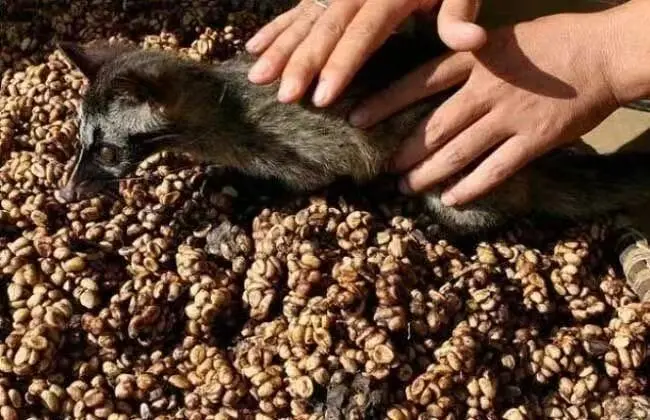
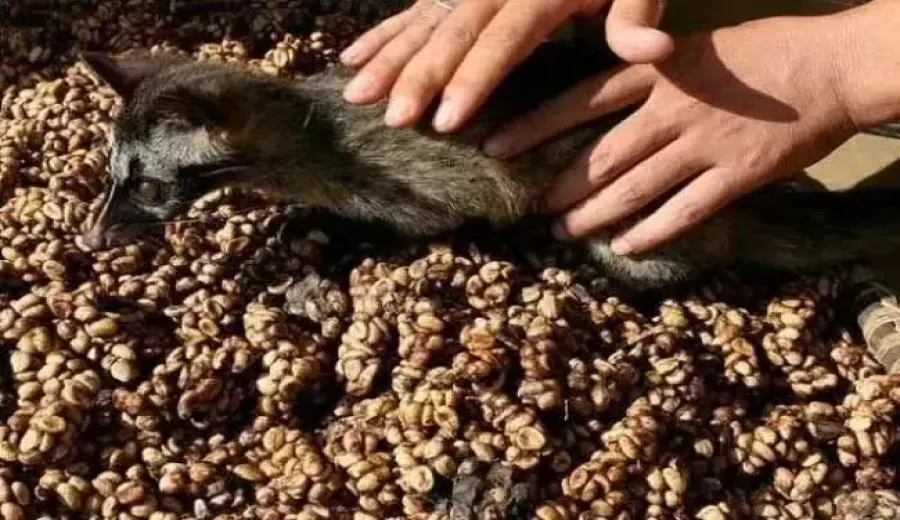
The first question many people ask is: "Is this really from animal waste?" The answer is yes, but it’s not equivalent to "what they ate." The production process of civet coffee is quite unique: coffee farmers let wild civets consume ripe coffee cherries, whose digestive systems remove the fruit pulp and mucilage, leaving only the dense green beans to be excreted in feces. These beans are then manually collected, washed, and dried to become the coffee beans we see. That’s why this coffee is jokingly referred to as the ultimate product of an "animal factory."

Civets, scientifically known as Viverra zibetha, belong to the viverrid family and are native to Indonesia's tropical rainforests. They are omnivorous, with a particular fondness for ripe coffee cherries that emit a strong aroma. When civets eat coffee cherries, enzymes in their digestive tract break down the pulp and mucilage, but cannot digest the hard coffee beans inside. As these beans pass through the intestines, they undergo a unique "in-body fermentation" process, which contributes to their distinctive flavor.

This processing method is completely different from the commonly known washed, natural, honey, or anaerobic fermentation methods. Typical processing methods involve fermentation in either natural or controlled environments, whereas civet coffee undergoes initial fermentation inside an animal’s body, making it a very rare "biological processing method." This also explains why the yield of this coffee is extremely low—according to data, only about 150 grams of usable coffee beans can be extracted from around 500 grams of civet droppings, making the process highly inefficient and thus driving up market prices.
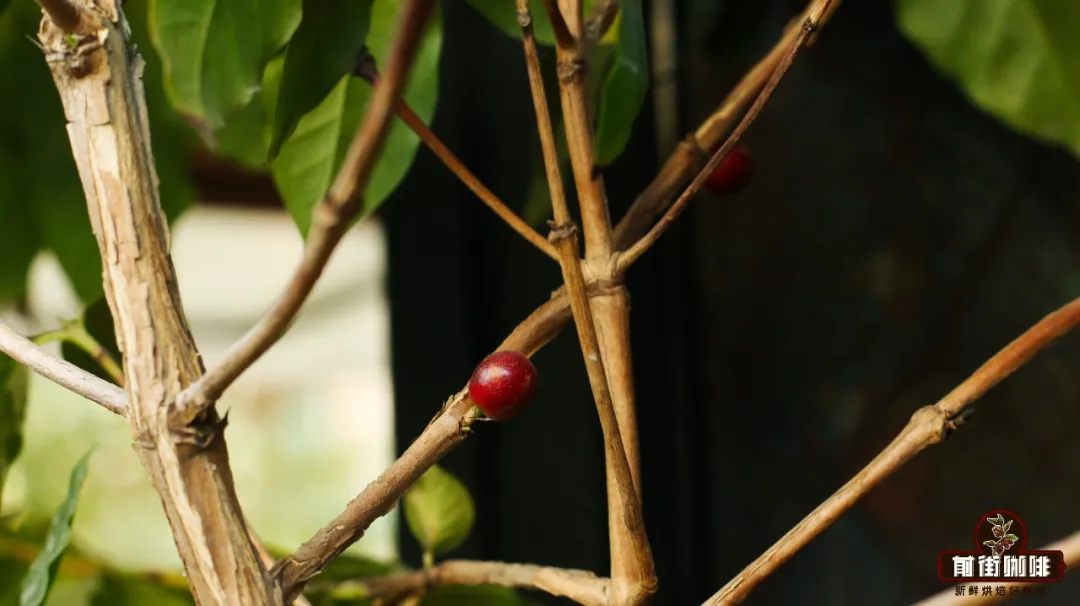
Interestingly, the origin of civet coffee is actually quite "commonplace." Early Indonesian laborers, who had no right to enjoy coffee, accidentally discovered undigested coffee beans in civet droppings. They tried washing, sun-drying, and roasting them, and unexpectedly found that the roasted beans could still be brewed into a beverage with coffee flavor. This marked the beginning of the peculiar history of this coffee. Later, through promotion and packaging by merchants, it gradually became a sought-after delicacy among global coffee enthusiasts.
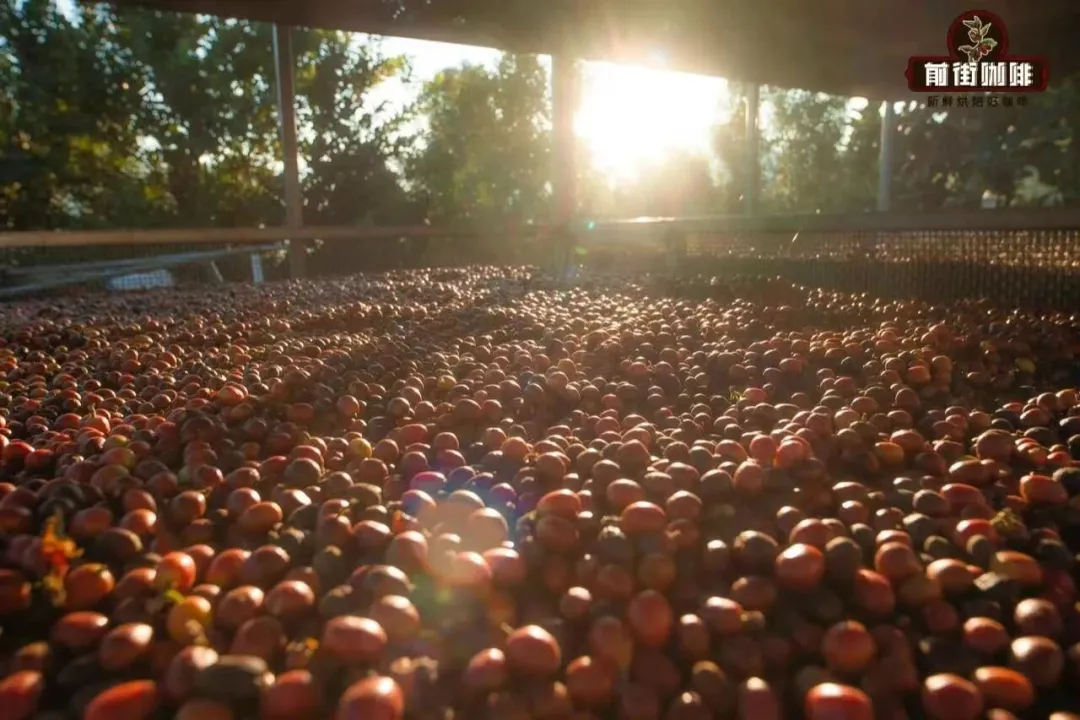
However, what truly brought civet coffee fame was its high price. Aside from its unique processing and scarcity, some vendors even promote so-called "wild civet coffee," emphasizing its natural origin and non-farmed sourcing. Yet, the high profits have also led to rampant illegal capturing and caging of civets, with some businesses even feeding civets only coffee cherries daily to force continuous production of "coffee bean excrement," sparking animal welfare controversies. As these dark sides were exposed, many consumers began boycotting such products, and the market reputation suffered as a result.
So, what does civet coffee actually taste like? In fact, under dark roasting conditions, the individuality of most coffees is greatly diminished, and civet coffee is no exception. Generally, dark roasted civet coffee often exhibits flavors of caramel, chocolate, spices, and mild smokiness, with a smoother, fuller mouthfeel and lower acidity. These characteristics are quite similar to those of Indonesia’s classic dark roasted Mandheling.
If you’re curious about civet coffee but don’t want to pay for a novelty gimmick, a dark roasted Mandheling is a more affordable and similarly flavored alternative. For example, Lintong Mandheling typically shows rich notes of caramel and spices, with a full and smooth body; while PWN Golden Mandheling excels in overall cleanliness and layering, making it suitable for drinkers who prefer delicate flavors. Both of these Mandhelings come from Indonesia, share similar bean varieties and processing environments with civet coffee, and can offer a comparable taste experience—without the high cost or ethical concerns.

The above content is compiled by CoffeeHunters, a coffee news website.


