








Introduction:Have you ever wondered about the stories behind the names of classic Italian drinks like cappuccino, latte, and Americano? How do their recipes, milk foam thicknesses, and flavor profiles differ? This article takes an in-depth look at the origins and naming of these three popular espresso-based beverages, providing practical preparation parameters and flavor characteristics to help you better understand what makes each one unique—whether you're just starting out or looking to deepen your appreciation.
Cappuccino, latte, Americano—these well-known Italian coffee names—are you truly familiar with their origins and differences? This article will comprehensively break down these three classic espresso drinks, covering everything from recipe ratios, foam thickness, and flavor features to the cultural stories behind their names, giving you a clearer picture from selection to sipping.
Let’s start with the cappuccino. This is a classic Italian coffee that combines espresso, a small amount of milk, and a generous layer of foam. Using medium-dark roasted beans as an example, around 20 grams of coffee grounds are typically used, extracted over 30 seconds to yield 40 milliliters of espresso. Then, following a ratio of roughly 1:3.5 coffee to milk, about 140 milliliters of milk are added, along with steamed milk foam that's over 2 centimeters thick, resulting in a cup that’s nearly filled to the brim, about eleven-tenths full.
Because the proportion of milk is relatively low, the coffee flavor in a cappuccino remains distinct, often showcasing layers of chocolate, caramel, cream, and nuts. Paired with a thick, supportive foam that forms a beautiful little pointed cone, it not only looks appealing but also feels smooth and velvety on the palate.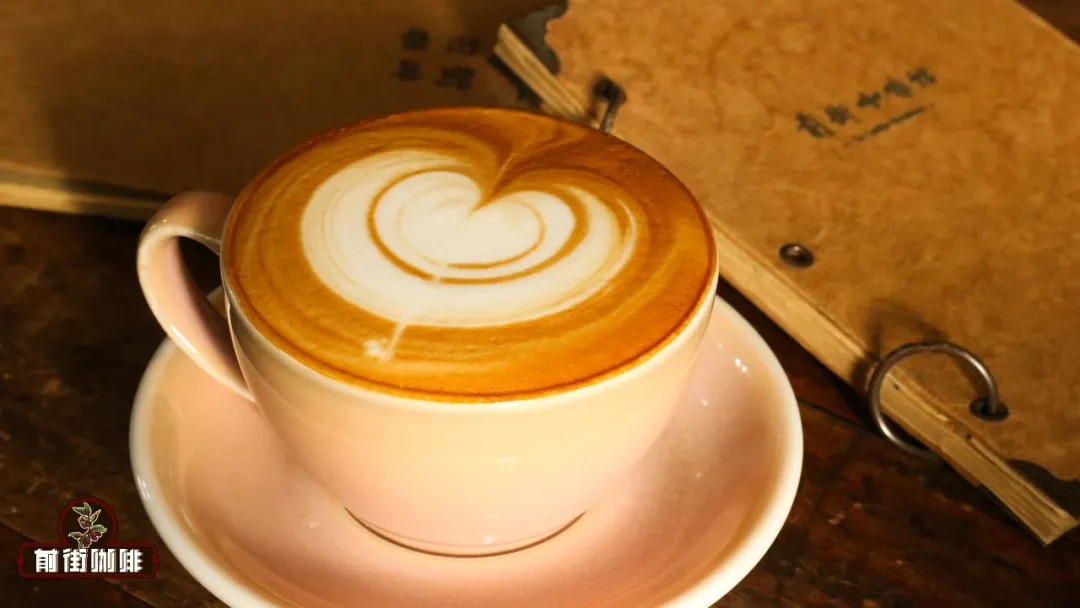
As for the name, cappuccino actually comes from the Italian word "Cappuccio," meaning "hood" or "cowl." This term is linked to the attire of the Capuchin monks in the 16th century. They wore dark brown robes and pointed hoods, and locals referred to them as "Cappuccino," meaning "little hooded ones." The cappuccino coffee earned its name because the shape and color of its foam resemble the monks’ pointed hats and robes.
Next is the latte. Compared to the cappuccino, the latte uses more milk and thinner foam. Using the same medium-dark roasted beans as an example, 20 grams of coffee grounds are still used to extract 40 milliliters of espresso, but the amount of milk is increased to about 180 milliliters, and the foam thickness is controlled to around 1 centimeter.
With the increased proportion of milk, the bitterness of the coffee in a latte is significantly reduced, and the sweetness becomes more prominent. The flavor also exhibits notes of caramel, chocolate, nuts, and cream, but the overall mouthfeel is much softer.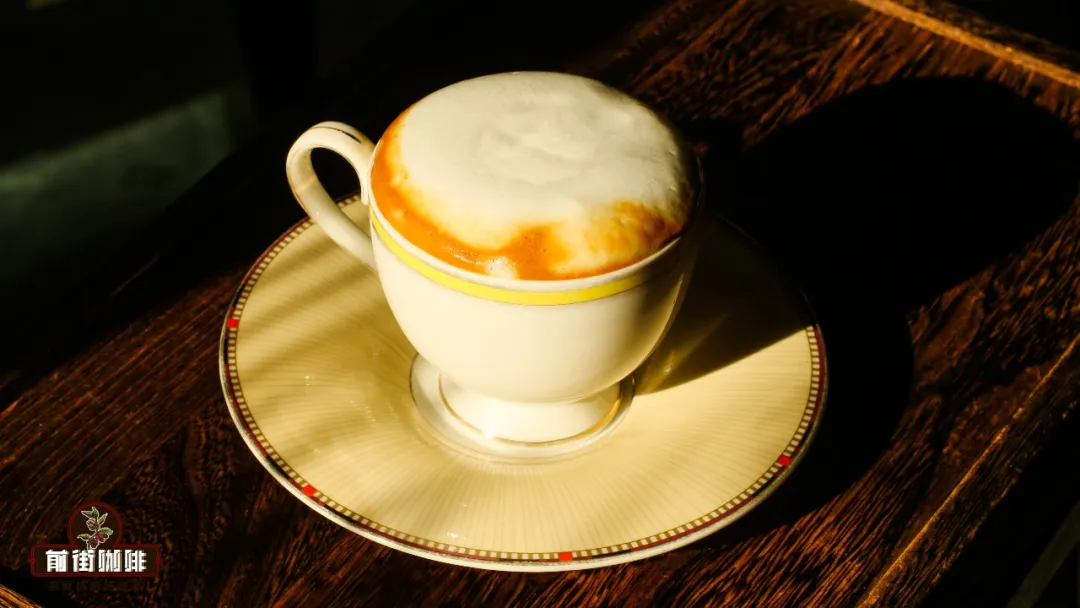
The name "latte" is an Italian transliteration, where "latte" means milk, so it literally translates to "milk coffee." Long before Italian-style coffee became widespread, the combination of "caffè" and "latte" was commonly used to describe coffee with added milk, though it didn’t refer to any specific product. As Italian coffee evolved, "Caffè Latte" gradually became the name for a specific drink.
Interestingly, according to lore, in 1959, Lino Meiorin, the owner of a café in Berkeley, California, wanted to make a smoother version for customers who weren’t used to strong coffee. He adjusted the cappuccino recipe by reducing the foam thickness and increasing the milk, creating a milder version. To distinguish it from the traditional cappuccino, he named it "Caffe Latte." Later, people started shortening it to "latte" for easier ordering. However, this also led to confusion in Italy—if you just order a "latte," you might end up with just a glass of milk.
Finally, let’s look at the Americano. This is the simplest variation of espresso-based coffee, made simply by mixing espresso with hot water. The generally recommended brewing ratio is 1:4—for example, using 20 grams of coffee grounds to extract 40 milliliters of espresso, then adding 160 milliliters of hot water. If using medium-dark roasted beans, such as a classic Italian blend, the flavors will present as chocolate, caramel, nuts, and cream; if you opt for a medium-roasted bean like Ethiopia’s Huila, you’ll get brighter acidic-sweet notes like berries, citrus, floral, and brown sugar.
The origin of the Americano is actually tied to American soldiers. Because Italian espresso is highly concentrated, many soldiers accustomed to lower-strength drip coffee found it hard to drink, so they asked baristas to dilute it with water. Over time, this adjusted coffee became a standard offering and was named "Caffè Americano," later shortened to Americano.

In summary, cappuccino, latte, and Americano not only differ markedly in recipe and flavor, but their names also carry unique cultural significance. Whether you’re a coffee beginner or an enthusiast eager to learn more about espresso-based drinks, mastering this basic knowledge will make your tasting and ordering experience much smoother.
The above content is compiled by CoffeeHunters, a coffee news website.


