







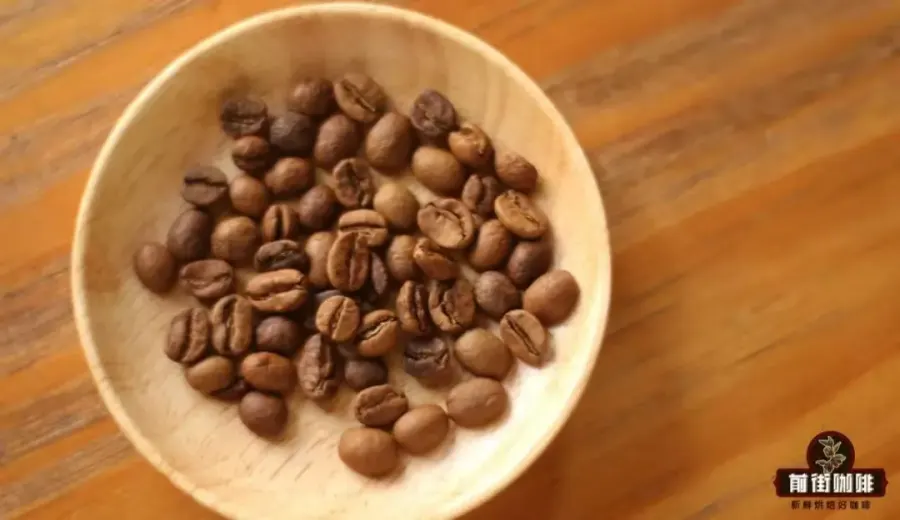
Introduction:Have you ever wondered why the coffee beans you bring home vary in color, or even look like two different types of beans in the same bag? This doesn’t necessarily indicate a roasting issue—in fact, it’s often a natural result of processing methods and agronomic traits. This article delves into how honey processing, anaerobic fermentation, and bean size differences lead to color variations, and why these “color disparities” are often key to flavor diversity.
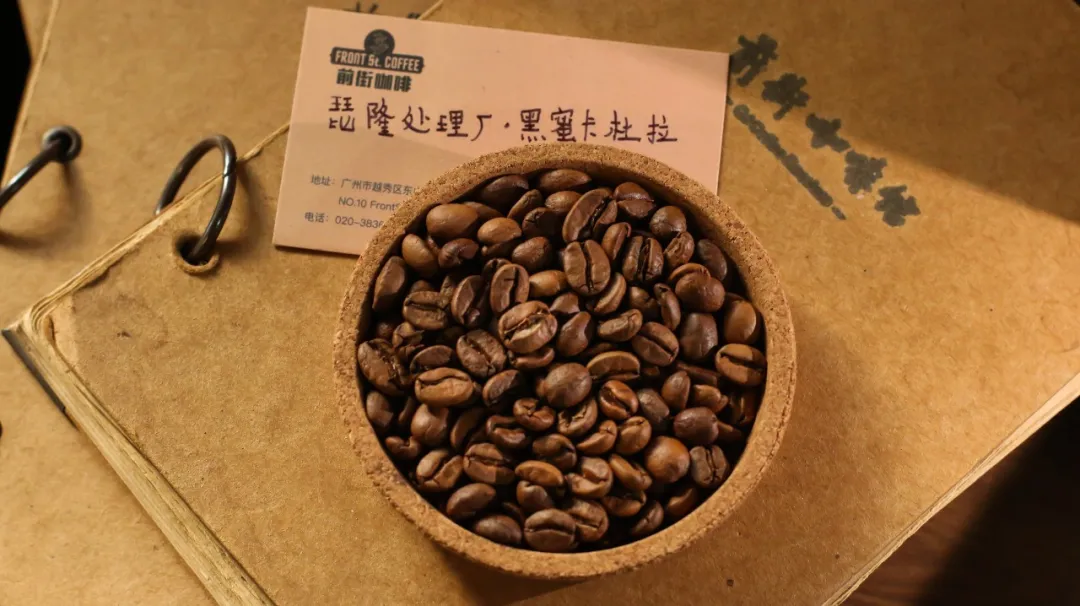
Many coffee enthusiasts, while brewing, notice that some beans in the same pack are darker, while others appear lighter, leading them to suspect uneven roasting. In reality, such color variation is extremely common in specialty coffee and is often not a roasting mistake. On the contrary, it may conceal richer layers and greater flavor potential.
First, we need to understand that coffee beans are agricultural products and cannot be made to be perfectly uniform like industrial goods. Take Ethiopia, for example—coffee beans from this origin are generally not strictly graded by size but mainly evaluated based on defect rates. As a result, many Ethiopian beans contain a mix of different-sized beans, making it unavoidable for slight color differences to occur during roasting due to varying heat absorption.
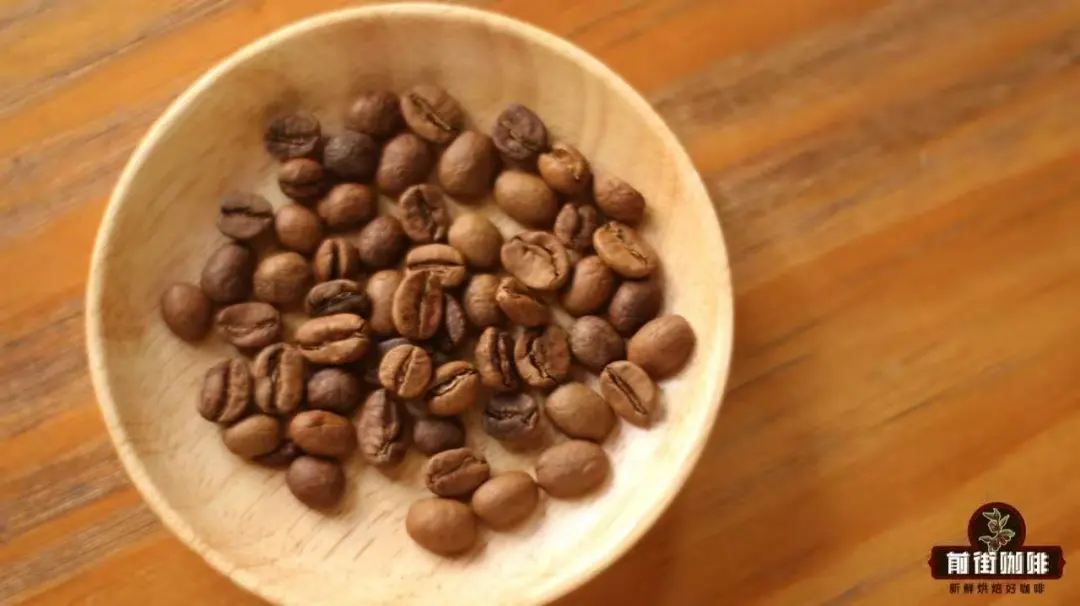
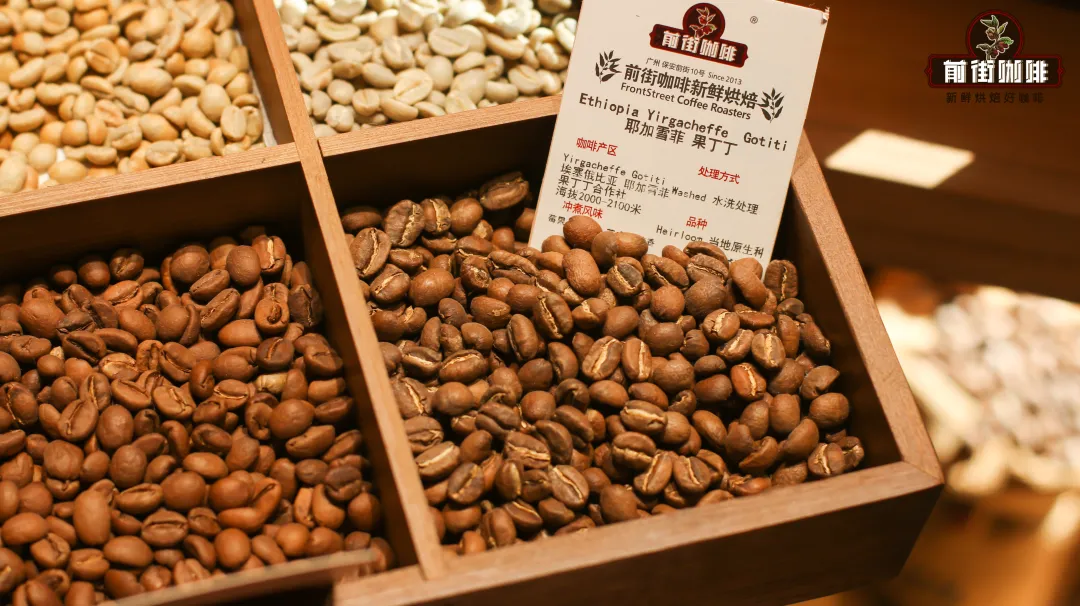
For instance, popular offerings like Yirgacheffe Guji Dingding or Ethiopia Huacai often show slight variations in bean size and color within the same bag, which is actually normal. This difference is especially noticeable under medium to light roasts, but it doesn’t indicate poor quality—in fact, it often contributes to a more complex mouthfeel.
However, what truly makes color differences particularly pronounced is usually the processing method, especially honey processing. Honey processing falls between washed and natural, characterized by retaining some or all of the fruit’s mucilage layer. This mucilage is rich in natural sugars, which gradually seep out and adhere to the bean surface during drying, subsequently triggering varying degrees of caramelization during roasting.
Since the amount of mucilage adhering to each bean varies—some beans retain more, some less—the residual sugar on the bean surface after roasting also differs. The more sugar there is, the more pronounced the caramelization reaction during high-temperature roasting, resulting in a darker bean color; conversely, the color will be lighter. As a result, even within the same batch, you can see an interplay of dark and light beans, especially evident in honey-processed beans like Mirasu Strawberry Sugar, Musician Series Bach, and Costa Rica Blackberry.
It’s worth noting that while increasing the roast level can help reduce color disparity, over-roasting tends to suppress the bean’s inherent floral, fruity, and acidic flavors. In fact, many baristas believe that beans with natural color variations better showcase flavor complexity. For example, Costa Rica Blackberry often releases rich notes of flowers, berries, apricot, and cantaloupe.
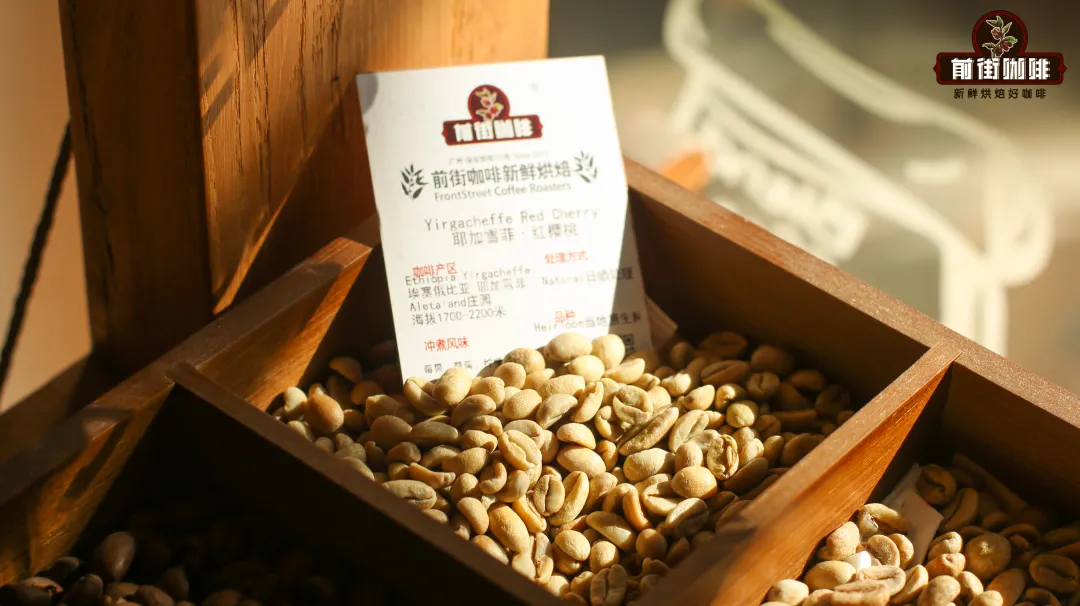
Apart from honey processing, anaerobic fermentation is another major factor contributing to bean surface color changes. During anaerobic fermentation, the sugars and acids around the beans undergo special transformations in a sealed environment. This process sometimes causes more organic matter to adhere to the bean surface, further influencing post-roast color. For instance, certain high-end Geisha products can even show noticeable color differences at the green bean stage—a natural outcome of processing methods and fermentation conditions working together.
Of course, we can’t completely rule out color inconsistencies caused by quality control or storage and transport issues, but such cases are usually accompanied by obvious defects or off-odors, making them relatively easy to identify. For consumers, it’s more advisable to judge a bean’s potential based on actual brewing performance and flavor, rather than appearance alone.
In summary, the color differences in coffee beans may hide the secrets of processing methods and the essence of agronomy. Factors such as bean size, mucilage residue, and fermentation techniques are all key contributors to color diversity. Understanding these differences not only helps us select and brew more precisely but also allows us to better appreciate the subtle layers and stories within each cup of coffee.
The above content is compiled by CoffeeHunters, a coffee news website.


