








Introduction:In the sweltering summer heat, iced coffee is a go-to choice for many to stay refreshed and cool. Yet when making it at home, “how much ice should I use?” is often a dilemma. This article delves into the crucial role of ice in iced coffee—from cooling and aroma preservation to extending that refreshing chill. It offers precise ice-adding techniques and tips tailored to various brewing methods such as Americano, pour over, cold brew, and cold drip, while analyzing how coffee roast levels and ice texture influence the final cup. This guide will help you effortlessly craft the perfect iced coffee with balanced strength, flavor, and a refreshing chill.
Every spring and summer, the crisp and refreshing taste of iced coffee becomes a daily essential for many coffee enthusiasts. However, when making it at home, “how much ice to add” is often the most perplexing part. Ice isn’t just for lowering the coffee’s temperature—it also directly affects the coffee’s aroma expression and how long the chilled sensation lasts. This article targets several common brewing methods—such as iced Americanos and iced lattes made from espresso, pour over coffee, cold brew, and cold drip—and provides practical ice ratios and expert advice based on different roast profiles. It also explores how the size, material, and freezing method of ice can alter the final taste, so you can easily brew a well-balanced, appropriately strong, and thoroughly refreshing iced coffee at home.
 Among the many questions about homemade iced coffee, “how much ice to add” is one of the most frequently asked. Although there are countless online tutorials where you can just gather the ingredients and follow the recipe, truly brewing a great-tasting iced coffee requires a nuanced approach to ice quantity—one that considers brewing method, coffee bean characteristics, and personal taste preferences—not a one-size-fits-all solution. Ice plays three key roles in coffee: rapidly lowering the temperature, minimizing aroma evaporation, and slowing the coffee’s return to room temperature, thus prolonging the chill. Therefore, beyond simply controlling the amount of ice, the texture and hardness of the ice itself also matter greatly.
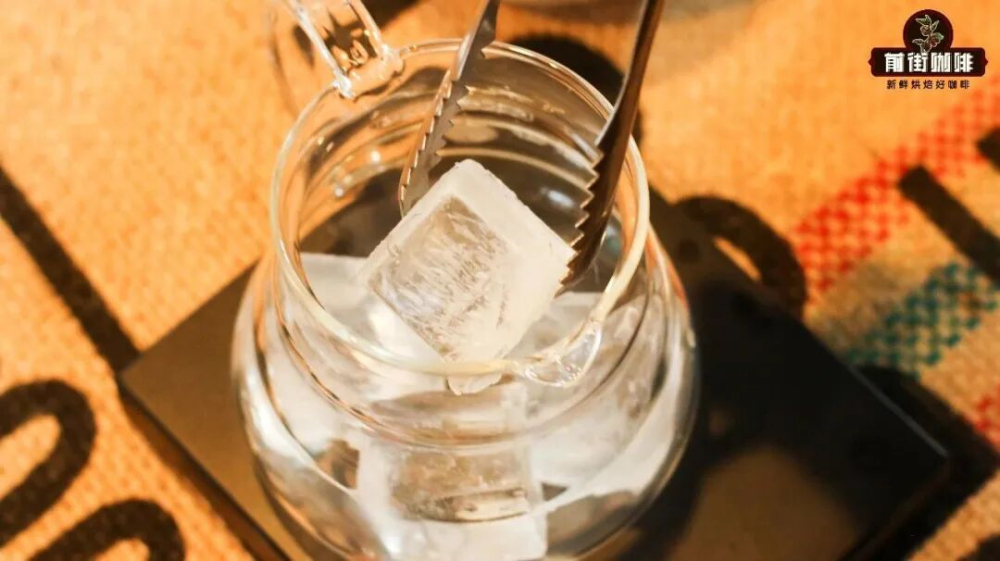
Common household ice molds are usually square or spherical, producing solid ice cubes through static freezing. The larger the size, the slower the melt rate. Moreover, ice that has been double-frozen tends to be harder and can more effectively maintain a lower temperature once added to coffee. If you make iced coffee frequently at home, it’s recommended to use larger ice trays or molds specifically designed to produce big spherical ice cubes, which yield denser, better-cooling ice. If you only have small ice cubes on hand, you can unmold them, place them in a dry, airtight container, and return them to the freezer to maintain their hardness and extend their usability.
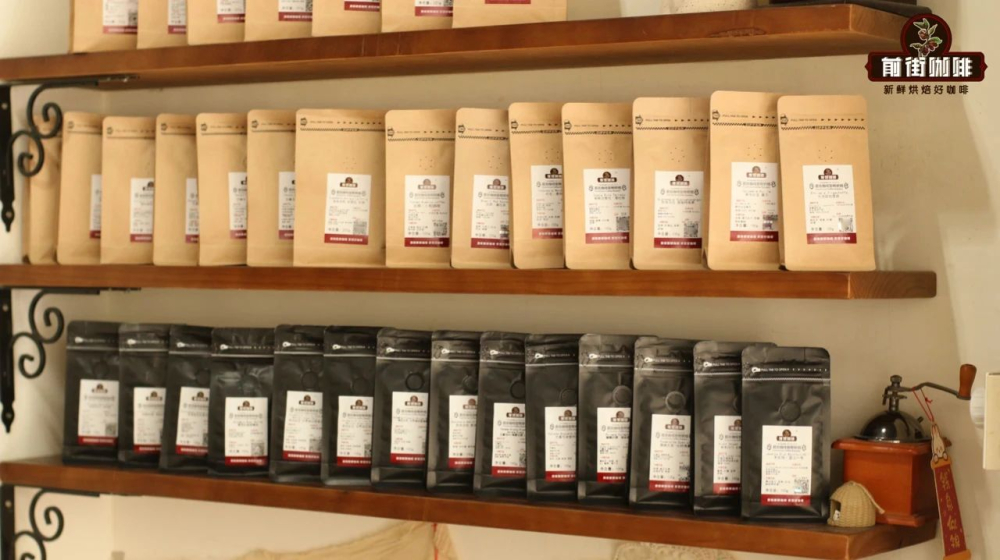 Below, we’ll go through each brewing method one by one, explaining practical ice-adding techniques and recommended proportions.
Espresso-Based Iced Coffee Techniques
For iced Americanos or iced lattes made with espresso as the base, the focus of the flavor lies in the intensity of the espresso shot, while the main function of the ice is to cool the drink and extend the chill. Since these drinks are typically served in larger cups and sipped slowly, it’s important not only to use plenty of ice but also to ensure it maintains a cooling effect for a longer time.
Depending on the roast level of the coffee beans, different ice strategies are recommended. For medium to dark roasted espresso beans—like the classic blends favored by many households—the espresso often has rich crema and bold roasted aromas such as roasted hazelnuts, butter, dark chocolate, and maple syrup. These are well-suited for iced Americanos or iced lattes where more ice helps preserve the layered flavors and the refreshing chill. For example, using 20 grams of coffee grounds to extract 40 grams of espresso over 25–30 seconds, you can add 120 ml of water and 100 grams of ice. Here, the ice amount is about 2.5 times that of the espresso, and it’s recommended to use large, hard ice cubes. For an iced latte, you can add 150 ml of chilled fresh milk and 80 grams of ice, with the ice amount being about twice that of the espresso.
On the other hand, if you opt for medium-roasted beans with pronounced fruity acidity—such as some recently released single-origin beans with fruity profiles (e.g., those featuring notes of honey, lemon, nectarine, or blueberry)—the flavor leans toward a fresh and zesty profile. In this case, it’s advisable to reduce the amount of ice and other liquids to highlight the inherent characteristics of the coffee. Using the same 20 grams of coffee to extract 40 grams of espresso, you might slightly extend the brew time to 30–35 seconds. For an iced Americano, add 100 ml of water and 80 grams of ice, with the ice amount about twice that of the espresso. For an iced latte, use 120 ml of chilled fresh milk with 60 grams of ice, where the ice is about 1.5 times the amount of the espresso.
Pour Over Coffee with Ice
The technique of adding ice to pour over coffee works by having the ice quickly absorb heat, thereby cooling the coffee rapidly while also diluting it slightly to adjust overall concentration. This method is called iced pour over, and its biggest difference from traditional hot pour over lies in the addition of ice, making the ratio of hot water to ice critical.
For beans with floral and fruity profiles, typically medium to light roasts—such as commonly seen varieties like Fruit Ding Ding or Little Tomato—it’s recommended to slightly reduce the proportion of ice to fully extract the sweet compounds in the mid-palate. For example, using 15 grams of coffee grounds with a total water volume of 170 ml over about 2 minutes of brewing time, you can then add 60 grams of ice. Here, the ice amount is about 4 times that of the coffee grounds.
Conversely, if you choose a darker roasted bean, such as Queen Estate or Huilan, it’s best to focus on the bright caramel aromas in the early stages and avoid excessive bitterness later on. In this case, you can reduce the water volume and increase the ice proportion. For instance, using 15 grams of coffee with 150 ml of hot water and 75 grams of ice, the ice amount is about 5 times that of the coffee grounds. This helps bring out a rich yet refreshing taste.
Cold Brew & Cold Drip Coffee Ice Recommendations
Cold brew and cold drip coffee are already low-temperature extraction methods and generally don’t require additional cooling. However, it’s still recommended to add a small amount of ice before drinking to maintain a cool sensation. These brewing methods are gentle, making them ideal for medium to light roasted beans that highlight balanced acidity and sweetness. Beginners might try popular single-origin beans like Strawberry Candy, Blackberry, Mozart, or Kenya.
After extraction, if you end up with 180–200 ml of cold brew or cold drip coffee, it’s suggested to add about 30 grams of large ice cubes. At a ratio of about 1:6 (ice to coffee), this maintains a cool feel without overly diluting the coffee’s flavor.
The above content is compiled by CoffeeHunters, a coffee news website.


