







Introduction:A video of a Mixue employee handling drinks without gloves went viral online, sparking public concern over the hygiene and safety management practices of chain tea beverage brands. Although the store explained that it was an entertainment-oriented skit, the controversy could not be quelled. The company responded swiftly by shutting down the involved outlet for rectification, and dismissing or demoting the relevant staff. This article delves into the incident, official responses, and explores how the tea beverage industry can balance food safety and brand image while chasing online trends.
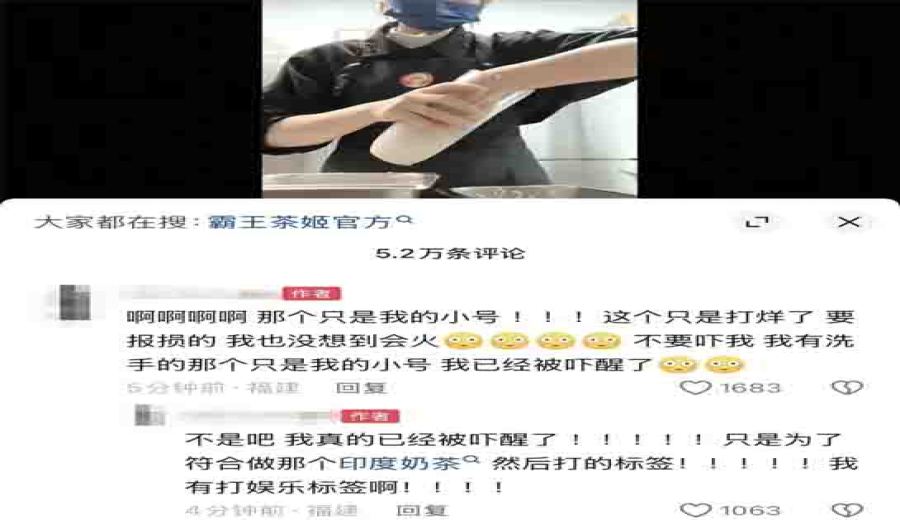
Recently, a short video taken at a Mixue outlet widely circulated on social media platforms. In the footage, a staff member in uniform was seen handling ice cubes and lemons with bare hands, even reaching directly into a shaker to pound and stir ingredients. Many netizens commented that it “looked very uncomfortable” or that there was “no concept of food safety at all,” leading to heated discussions about hygiene standards in tea beverage preparation.
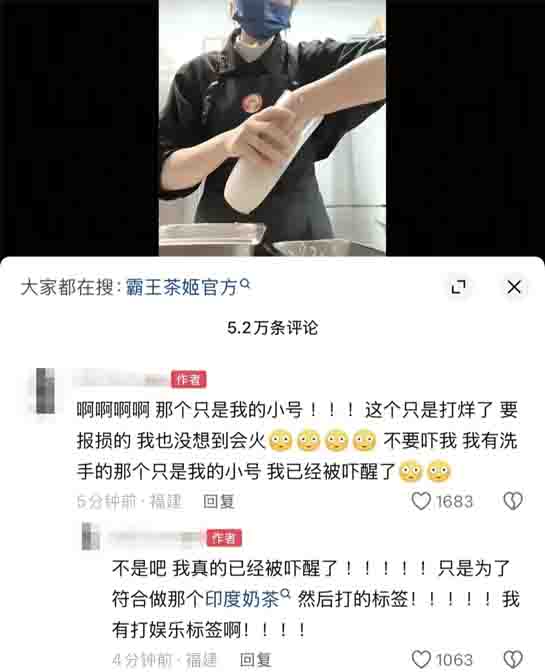
Although the poster later clarified that the video was filmed after store closing using waste ingredients, intended as a parody of the then-popular “Indian milk tea” internet meme, and emphasized that it was for entertainment purposes only with a “for entertainment use” disclaimer, such explanations failed to satisfy the public. The video quickly garnered widespread criticism, and the controversy continued to escalate.
Further investigation revealed that the platform also hosted similar imitation videos from employees of other Mixue outlets across different regions, most of which involved direct hand contact with tea beverage ingredients. Beyond Mixue, well-known chain brands such as Luckin, Heytea, Gong cha, and ChaBaiDao have also had employees post comedic or parody videos of “hand-whipped milk tea.” These videos often feature Indian-style music, with staff members shown touching ice, lemons, tapioca pearls, and other ingredients with bare hands — clearly not adhering to standard operating procedures.
Although most videos were labeled as for entertainment purposes and stressed that the beverages shown were not sold to customers and were discarded after filming, the public still found such “handmade” visuals hard to accept. Many are concerned that if consumers mistakenly believe these videos depict real preparation processes, it could undermine trust in the brands and raise questions about food safety.
Due to the wide circulation of the videos, related topics quickly trended on Weibo’s hot search list, drawing attention from both the public and media. Media reports indicated that Mixue immediately launched an internal investigation upon learning of the incident. According to the official investigation report released shortly afterward, the video was indeed shot at a franchised outlet in Fujian. Surveillance footage confirmed that the employee had created the clip to follow the trending “Indian milk tea” internet meme, using discarded, damaged ingredients at the end of the day before closing. The ingredients were handled on-site and did not leave the store.
However, the company emphasized that the employee, in an attempt to cover up their actions, falsely claimed it was part of normal closing procedures. This act seriously violated company regulations and touched upon the core values of the brand.Mixue clearly stated in the announcement: “Food safety must never be treated as entertainment.”
According to the announcement, the involved outlet has been shut down indefinitely for rectification until comprehensive improvements are made and pass a strict official inspection. The employee directly involved in the incident was dismissed for violating operational protocols and principles of integrity. Additionally, the store manager and regional supervisor were both demoted due to poor management and inadequate supervision.
This incident not only exposed lapses in daily operations and staff training at some tea beverage outlets but also prompted reflection on the boundaries of entertainment-driven marketing within the tea beverage industry. While pursuing online traffic and community engagement, ensuring that production processes meet hygiene standards and do not mislead consumers has become a critical issue that brands cannot afford to overlook.
Experts pointed out that tea beverage brands should strictly adhere to hygiene protocols during production — such as wearing gloves, using dedicated tools for handling ready-to-eat items, and avoiding direct hand contact with raw materials — to reduce the risk of cross-contamination. Moreover, employee training should not only cover operational skills but also reinforce awareness of food safety and brand responsibility, preventing momentary amusement from undermining consumer trust.
For consumers, understanding the standard procedures and basic hygiene requirements of tea beverage production can help identify whether video content is realistic, thereby avoiding being misled. When choosing tea beverages in the future, it may be wise to pay more attention to whether brands have publicly shared hygiene control measures and quality commitments — ensuring peace of mind with every sip.
The above content is compiled by CoffeeHunters, a coffee news website.


