








Introduction:Panama Geisha (Geisha / Gesha) from Hacienda La Esmeralda is widely recognized in the coffee industry as a top-tier variety. It boasts an elegant and delicate flavor profile, yet its price remains exceptionally high. This article explores the reasons behind Geisha’s premium pricing—from limited production, cultivation challenges, to market supply and demand—while also introducing its classic flavor characteristics and offering practical advice on how to select coffee beans that truly showcase the essence of Geisha.
When it comes to Geisha (Geisha / Gesha), many coffee enthusiasts immediately think of its astonishingly unique flavor and jaw-droppingly high price. A cup of top-tier auction-grade Geisha can cost over NT$5,000 for just about 15 grams. Even the more commonly available batches on the market are priced significantly higher than most other coffee varieties. What exactly makes Geisha so special? This article will provide a detailed analysis of the supply and demand logic behind its pricing, and take an in-depth look at the typical flavor profile of Panama Hacienda La Esmeralda Geisha, helping you grasp the key factors in choosing truly high-quality Geisha beans.

First and foremost, the “high price” of Geisha is closely tied to its scarce production. The growth characteristics of Geisha plants differ significantly from those of typical Arabica varieties. Their branches are more widely spaced, with noticeably longer internodes, resulting in fewer fruits per plant. Moreover, Geisha is a tall tree variety, which further limits the number of plants that can be cultivated per unit area. These two inherent factors combined lead to a total yield that is far lower than that of other common coffee varieties.
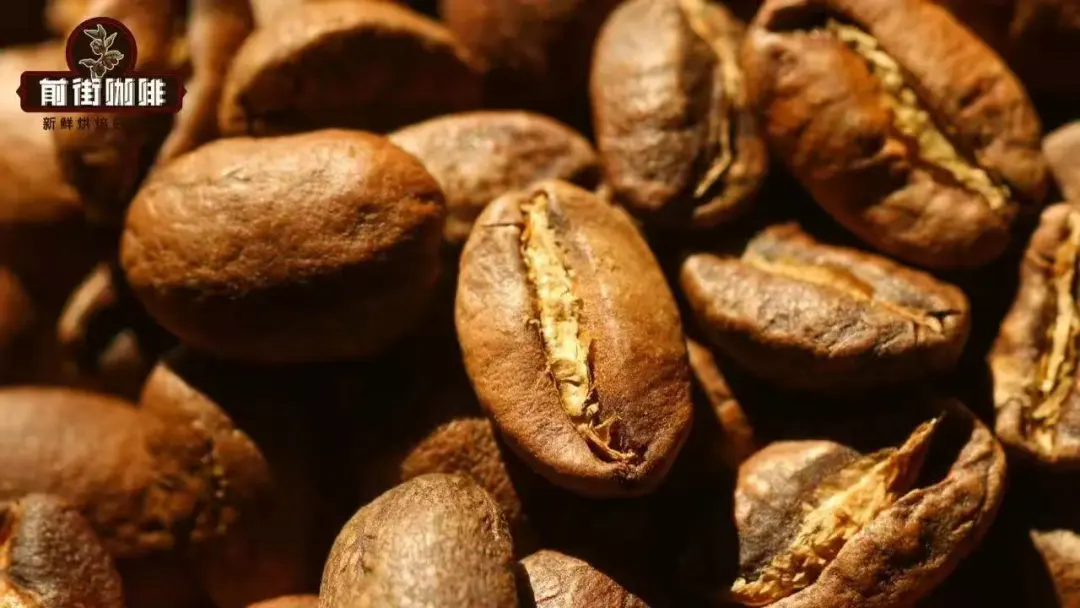
Not only that, but Geisha is also extremely demanding in terms of environmental conditions. Factors such as altitude, temperature, humidity, and soil pH must all be precisely matched, and it requires meticulous field management to ensure stable yields. Currently, the commercial cultivation history of Geisha is still relatively short, and it has not yet fully entered the stage of large-scale planting. However, global market demand for it continues to rise. This supply-demand imbalance naturally drives up its market price.
If Geisha beans further stand out in international evaluation competitions (such as the Best of Panama, or BOP) and are traded through auction processes, their prices can soar to even greater heights. Winning such competitions not only signifies professional recognition of quality but also brings significant brand exposure. As a result, every year during auction events, major specialty coffee brands compete fiercely, further driving up the winning bid prices.
When we talk about the “expensiveness” of Geisha, we cannot overlook its flavor performance. Elegant floral notes, bright citrus tones, fresh green tea aromas, paired with a honey-like creamy body, form the unique sensory profile of Geisha. This “coffee that doesn’t taste like coffee” experience is exactly what many coffee lovers associate with the flavor of Geisha. However, fully expressing these flavor characteristics relies not just on the variety itself, but also involves multiple factors such as growing environment, processing methods, and roasting techniques.
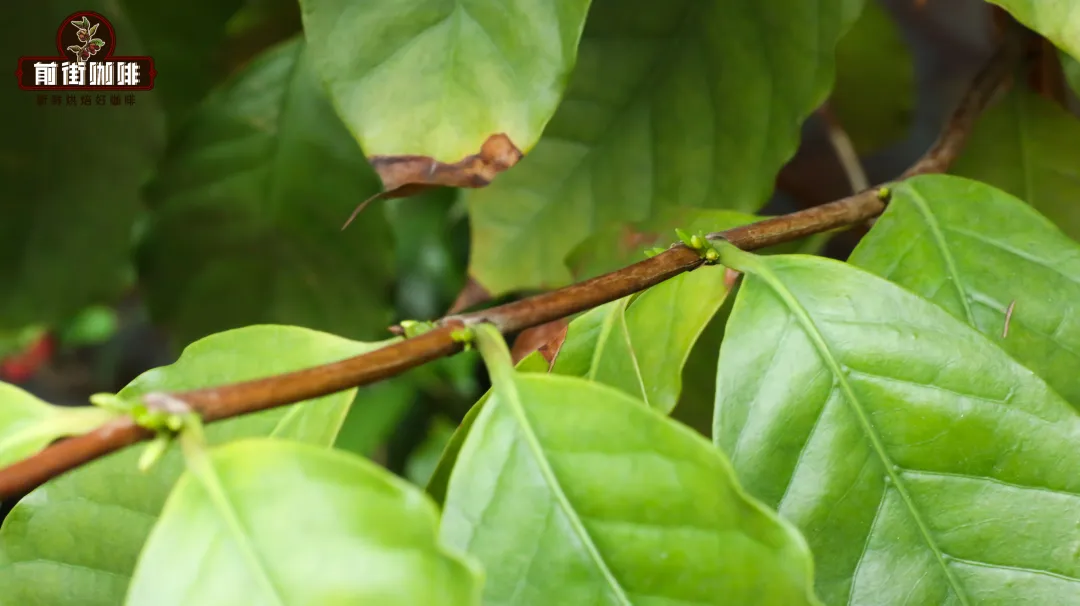
It is worth noting that many coffee beans on the market that claim to be “Geisha” may not actually be the true Geisha (variety T2722) from Panama. In fact, Geisha was first discovered in Ethiopia in 1931, and after being introduced to several countries, it eventually revealed its unique potential in Panama. Therefore, unless it is from Panama, processed using the washed method, or not roasted too dark, it is likely unable to deliver the classic Geisha flavor. Many consumers report not tasting the so-called “Geisha flavor,” which is often due to differences in these variables.
If you wish to experience the most authentic Geisha flavor, it is recommended to prioritize coffee beans from Panama, processed using the washed method, and roasted to a medium-light level. Such processing methods can preserve the delicate aroma and acidity of Geisha to the greatest extent, showcasing its layered characteristics.

For example, Geisha from the Boquete region of Panama often exhibits rich floral and fruity notes, including pronounced jasmine aromas, citrus acidity, honey sweetness, and a green tea-like refreshing finish. If your budget is more flexible, the Green or Red Label Geisha from Hacienda La Esmeralda are classic choices. These beans not only come from the very estate where Geisha gained fame, but also offer multi-layered fruit and berry flavors in their flavor profile, with a clean taste and long-lasting aftertaste.
If you’re looking to get started at a more affordable price, other high-quality Geisha beans from the same region are also great options. As long as you confirm that the variety is T2722, the processing method is washed, and the roast level is maintained at medium-light, you’ll typically be able to enjoy the unique flavor charm of Geisha.
The above content is compiled by CoffeeHunters, a coffee news website.


