







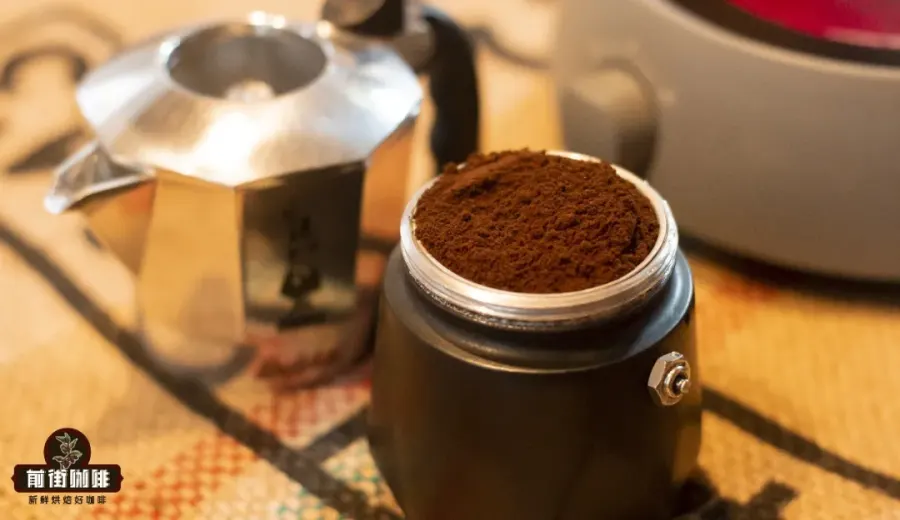
Introduction:Whether or not to tamp when brewing coffee with a moka pot has long been a hotly debated topic among coffee enthusiasts. This article delves into the necessity of tamping in moka pot usage, explores the operational details and potential risks, and analyzes how different tamping pressures affect extraction performance and flavor. It also recommends types of coffee beans well-suited for moka pot extraction that can produce delicious lattes, helping you better master moka pot techniques and elevate your overall coffee experience.
During the use of a moka pot, many details can influence the final flavor of the coffee, and one common question users have is whether to tamp after distributing the coffee grounds. Generally speaking, if conditions allow, applying moderate tamping after leveling the grounds helps form a more compact coffee puck, thereby improving the evenness and efficiency of extraction. The benefit of tamping is that it increases resistance as water passes through, allowing the hot water to have more contact time with the coffee grounds. This results in more intense aroma and flavor, as well as richer crema on the surface.
Practical observations have shown that tamping—or not—has a noticeable impact on the results of moka pot extraction. When using the same amount of coffee grounds, grind size, and water volume, tamped coffee not only achieves higher concentration but also improved extraction yield. For example, using 19 grams of coffee and 100 milliliters of water, where 70 milliliters of coffee liquid is extracted, the untamped coffee yields a concentration of about 5.66% and an extraction yield of 21.57%; whereas the tamped version increases the concentration to 6.12% and the extraction yield to 23.37%. These figures indicate that moderate tamping helps improve extraction performance.
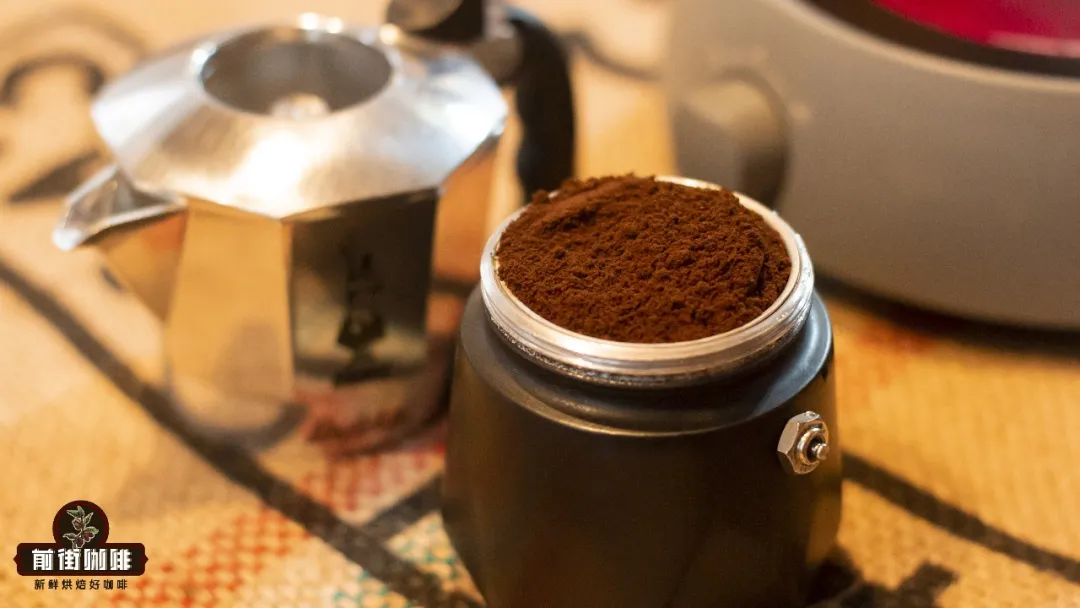
The primary role of tamping is to form a tightly structured coffee puck. When the coffee layer is compressed, water encounters greater resistance, slowing down its penetration rate and allowing more time to extract flavor compounds from the coffee. In contrast, without tamping, the coffee bed remains loose, which can cause water to pass through too quickly—not only shortening the extraction time but also potentially leading to channeling. This results in some areas being over-extracted while others under-extracted, negatively impacting overall flavor balance.
However, tamping is not simply about pressing down hard—the amount of pressure needs to be adjusted based on grind size and overall extraction parameters. If the coffee is ground too fine and excessive tamping pressure is applied, the coffee puck may become overly dense, preventing water from passing through smoothly. This can prevent pressure from being properly released and, in the worst-case scenario, may even cause steam to be ejected from the lower chamber’s safety valve. With lower-quality moka pots, this poses a potential explosion risk. Additionally, if the brewed coffee yield and heat level are not properly controlled, over-extraction can easily lead to pronounced bitter or burnt flavors, detracting from the drinking experience.

Therefore, users are advised to flexibly adjust tamping pressure based on actual conditions. If using a coarser grind or aiming for a lighter-tasting coffee, light or no tamping is recommended to avoid over-extraction. But if you prefer a stronger flavor or are using a finer grind setting, moderately increasing tamping pressure can enhance extraction efficiency and flavor expression. Generally, a moderate tamping pressure helps maintain a stable puck structure while avoiding excessively high pressure that could lead to flavor imbalance or equipment damage.
For those wanting to use a moka pot to make milk-based coffee drinks like lattes, choosing the right coffee beans is also crucial. It is recommended to select blends with a rich taste and appropriate sweetness, such as those combining beans from Indonesia, Brazil, and Vietnam. These beans typically offer a full body and good crema performance, blending well with milk to produce a balanced and rich coffee flavor. When brewed in a moka pot, such beans can showcase notes of chocolate, nuts, and caramel—making them highly suitable for all kinds of milk coffee.
In summary, whether or not to tamp when using a moka pot should be adjusted based on personal preference and actual conditions. Moderate tamping can enhance extraction efficiency and flavor intensity, but it is important to match it with the appropriate grind size and extraction parameters to avoid negatively affecting the final outcome due to excessive or insufficient pressure. With the right tamping technique and coffee bean selection, you can easily brew moka pot coffee at home that rivals the quality of professional café brews—whether it’s a single origin or a latte—you’ll enjoy a satisfying flavor experience.

The above content is compiled by CoffeeHunters, a coffee news website.


