







Introduction:The siphon (vacuum pot) and pour over are two common yet distinctly different brewing methods. This article delves into their extraction principles, filtration mechanisms, and actual flavor differences, using the classic Blue Mountain beans as an example to help you understand which method better highlights the coffee characteristics you prefer. It also provides recommendations on siphon water temperature, coffee-to-water ratio, and suitable bean types to help you find the brewing method that suits you best.
Many coffee enthusiasts have heard that coffee brewed with a siphon is richer and more aromatic than that made with pour over. But such claims are actually closely related to the siphon’s unique extraction method and filtration mechanism. This article will thoroughly analyze the differences between siphon and pour over in terms of brewing principles, flavor profiles, and operational parameters, and through practical examples, help you gain a more comprehensive understanding of the characteristics of these two classic brewing methods.
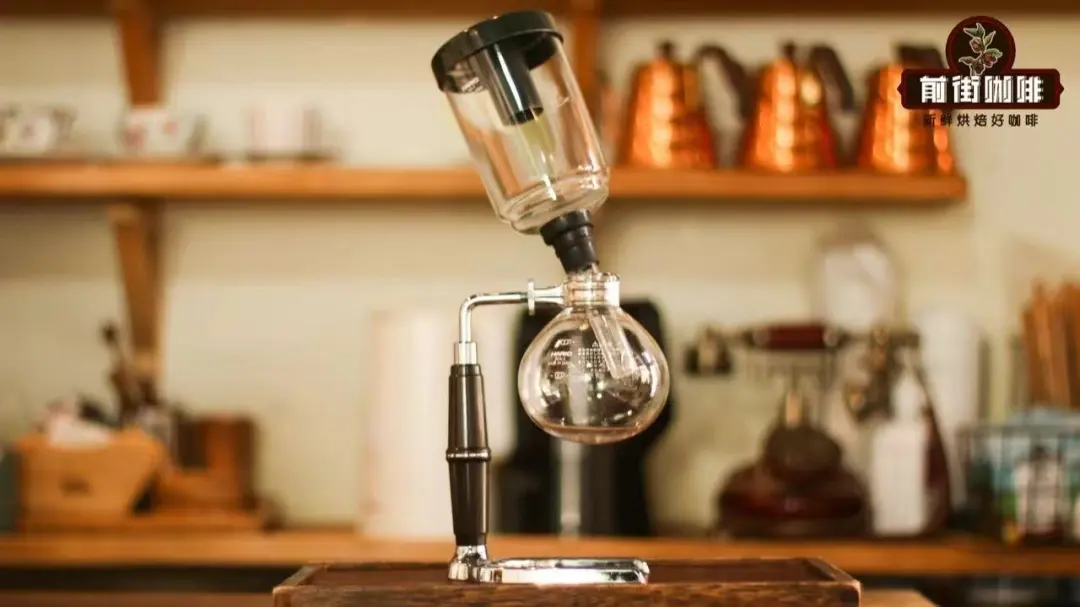
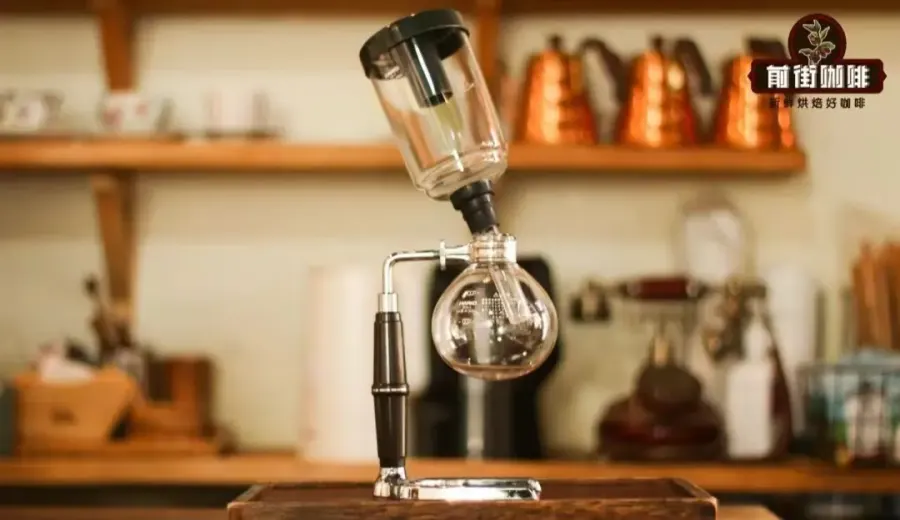
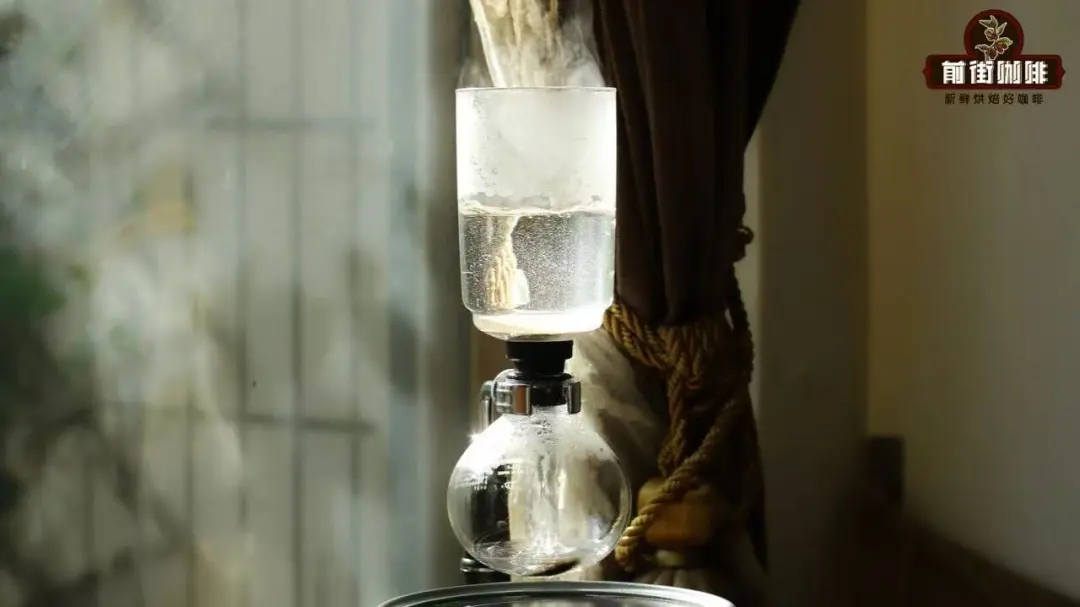
The siphon’s structure is relatively simple, but each component has its specific function. It mainly consists of three parts: the upper chamber, the lower chamber, and the stand. The lower chamber is the heating vessel, with a spherical design that helps achieve even heat distribution; the upper chamber is where the coffee grounds and hot water mix for extraction, and it features a slender tube at the bottom that is responsible for pushing water up to the upper chamber and eventually guiding the brewed coffee back down into the lower chamber. The stand securely supports the entire structure, ensuring a stable connection between the upper and lower chambers.
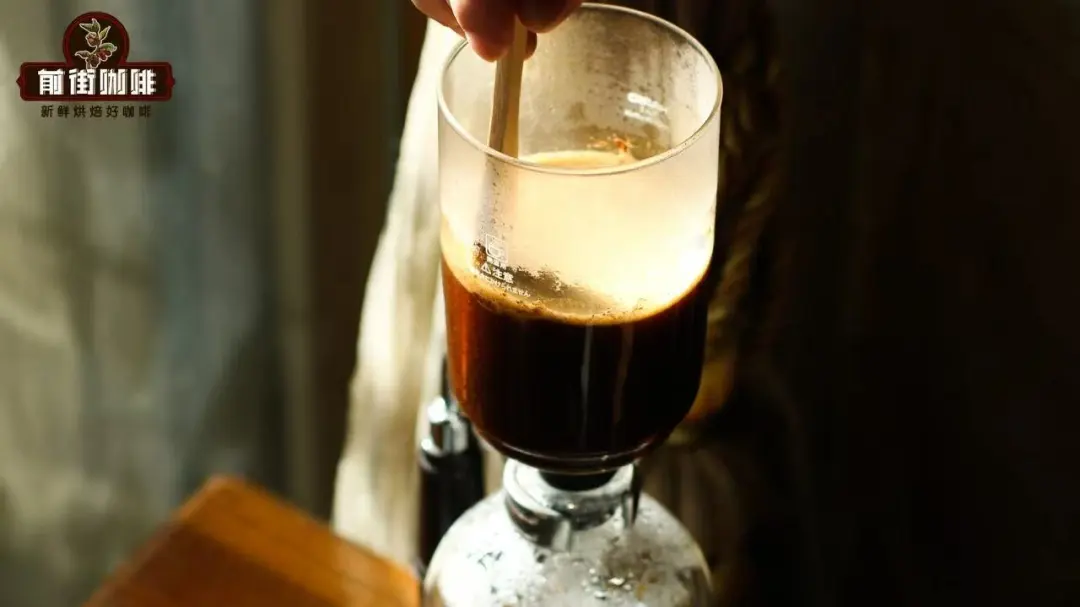
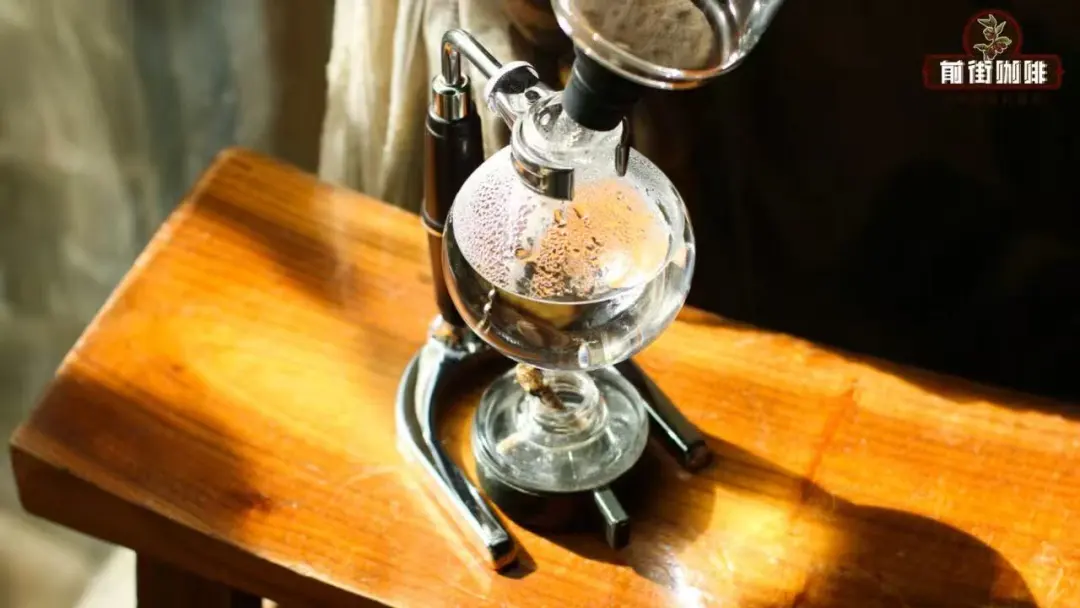
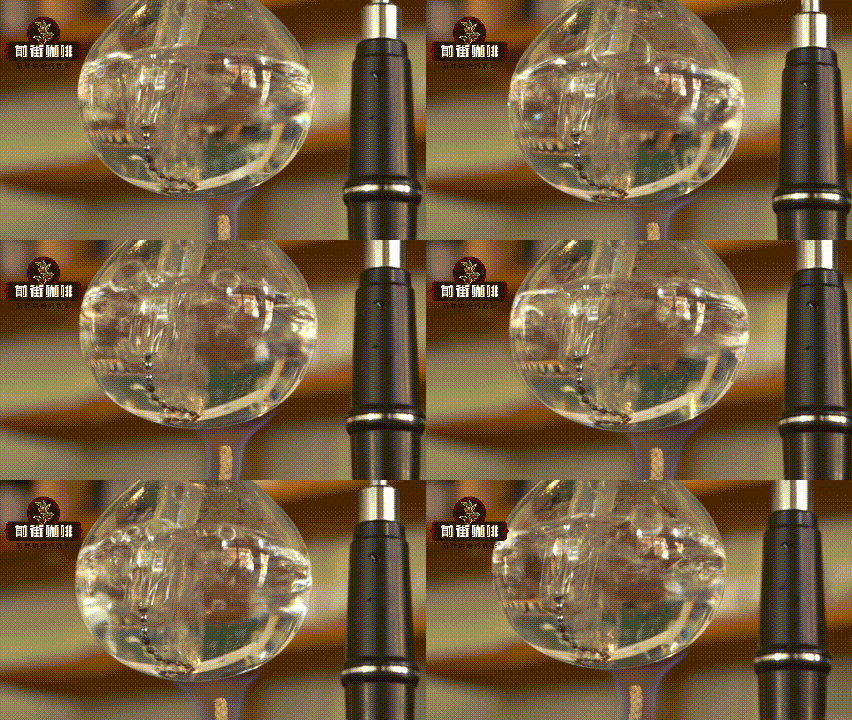
Although the siphon brewing process may seem complicated, its core extraction principle is immersion-based. First, the lower chamber is heated, causing the water to produce steam and build pressure that pushes the water up into the upper chamber. Then, coffee grounds are added, allowing them to steep and extract fully in the hot water. Once the desired extraction time is reached, the heat source is removed, the lower chamber cools, and the brewed coffee flows back down into the lower chamber, completing the entire process.
This immersion-style extraction method, compared to the drip-style pour over, involves longer and more stable contact time between coffee grounds and water, resulting in a more balanced flavor profile. However, its complexity of layers may not be as pronounced as that of high-flow drip brewing. Additionally, the filters used in siphons are typically paired with either cloth (such as flannel) or paper, which can filter out most coffee grounds but still allow a small amount of coffee oils and very fine particles to enter the brew. This is one of the key reasons why siphon coffee has such rich aroma and full-bodied mouthfeel.
In contrast, pour over primarily uses high-flow paper filters, which effectively block coffee oils and fine particles, resulting in a cleaner, crisper taste with distinct flavor layers. This method is often favored by coffee lovers who seek nuanced flavors. Take the classic Jamaican Blue Mountain No. 1 as an example: when brewed with pour over, it can showcase distinct notes of chocolate, hazelnut, cream, and caramel, with a smooth, mellow mouthfeel, long and clean aftertaste. Meanwhile, using the same beans with a siphon not only retains those flavors but also offers more concentrated aroma, a fuller and richer mouthfeel, and a longer-lasting aftertaste. However, the overall clarity is slightly lower, and there may be a mild sense of haziness.
If you prefer coffee with intense aroma and a robust mouthfeel, the siphon is a great choice; if you favor a cleaner, more layered taste, pour over is more suitable. In practice, the siphon is recommended for use with medium-light to medium-roasted coffee beans, with water temperature controlled between88~92°C, a coffee-to-water ratio of approximately1:12 to 1:15, and an extraction time of about40–60 seconds. For pour over, the recommended water temperature is90~94°C, with a coffee-to-water ratio set at1:15 to 1:17. Adjust the brewing time based on grind size, typically around2–3 minutes.
In summary, there is no absolute superiority between the siphon and pour over; each showcases different charms of coffee. The siphon, with its unique sense of ritual and visual experience, along with its richly extracted flavors that carry oils and fine particles, has become a classic favorite among many coffee enthusiasts. Pour over, on the other hand, is preferred by more everyday drinkers for its stable, clear, and clean flavor profile. Feel free to choose the method that best matches your preferred taste and brewing enjoyment, and savor your own coffee moments.

The above content is compiled by CoffeeHunters, a coffee news website.


