








Introduction:The blooming stage of pour over coffee often puzzles beginners when it comes to water volume: is twice the coffee dose enough? Can four times the dose really enhance flavor? This article presents practical tests comparing 30ml and 60ml bloom water with 15g of coffee, combining sensory evaluation and instrumental data to analyze changes in concentration and extraction yield. We also delve into the science behind the 30-second bloom to help you find the most suitable blooming strategy.
The blooming step in pour over coffee may seem simple, but there’s no shortage of debate over how much water to use: some say twice the coffee dose is the standard, while others recommend four times to help the grounds degas more evenly. Which method better unlocks the coffee’s potential? One café conducted an experiment using Ethiopia’s Chaka variety as an example.
The test conditions were consistent: 15g of coffee, a 1:15 brew ratio, 92°C water temperature, and a grind size passing through a #20 sieve at 75%–80%, with total extraction time kept under 2 minutes. The only variable was the bloom water volume—one group used 30ml (about twice the coffee dose), the other 60ml (about four times). The overall brewing process followed a common three-pour method, with subsequent pours adjusted proportionally based on the bloom volume to ensure the total brew time didn’t exceed the limit.

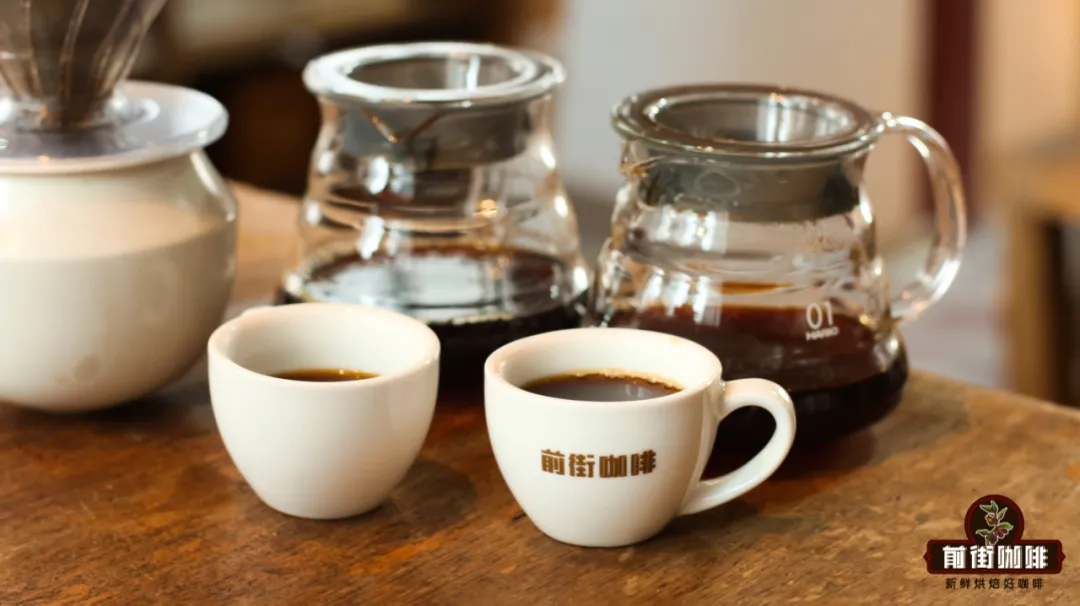
Sensory evaluation results showed that coffee bloomed with twice the coffee dose (30ml) exhibited a more defined flavor profile and fuller body, with clear notes of berries, citrus, white flowers, and an oolong tea-like nuance. In contrast, coffee bloomed with four times the dose (60ml) had a flatter flavor and slightly underperformed overall.
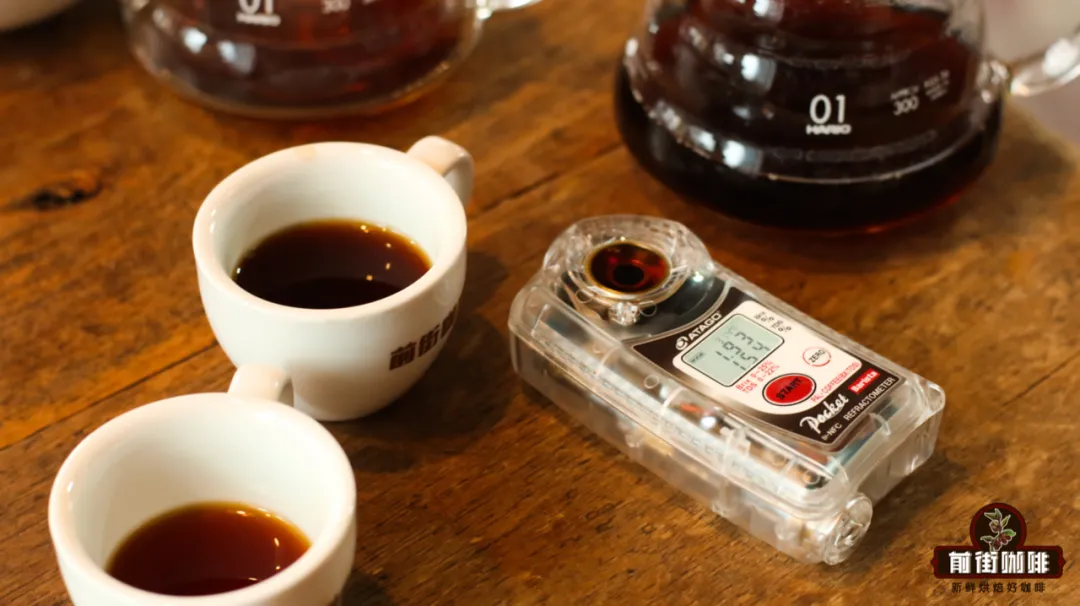
Not just subjective perception—concentration meter readings also confirmed this difference: the coffee bloomed with twice the water measured a concentration of1.54%, with an extraction yield of21.2%; whereas the four-times group registered1.48%and20.36%, indicating a slightly lower overall extraction performance.
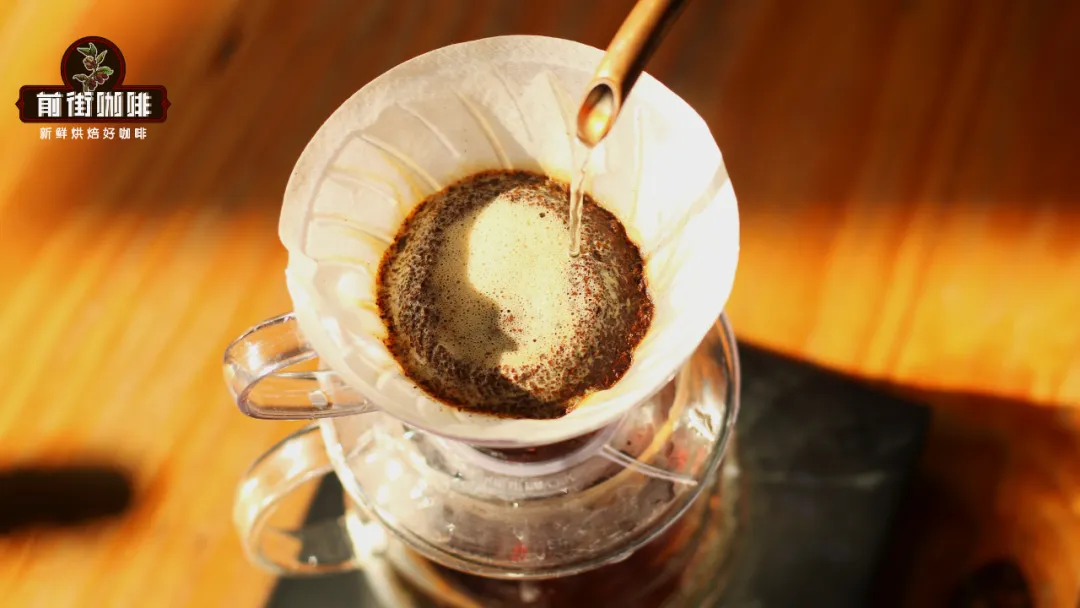
Why does blooming with twice the water perform better? To answer that, we need to first understand the core purpose of blooming.The primary function of blooming is to allow the residual carbon dioxide in the coffee grounds to escape. If these gases aren’t released in time, they hinder the contact between hot water and the grounds, reducing the dissolution efficiency of flavor compounds and ultimately affecting the coffee’s body and complexity.
Therefore, before the main extraction, we pre-wet the grounds with a moderate amount of hot water to prompt early CO₂ release and create optimal conditions for subsequent extraction.This is also why blooming usually lasts around 30 seconds—long enough for gases to dissipate without unnecessarily extending the total brew time.
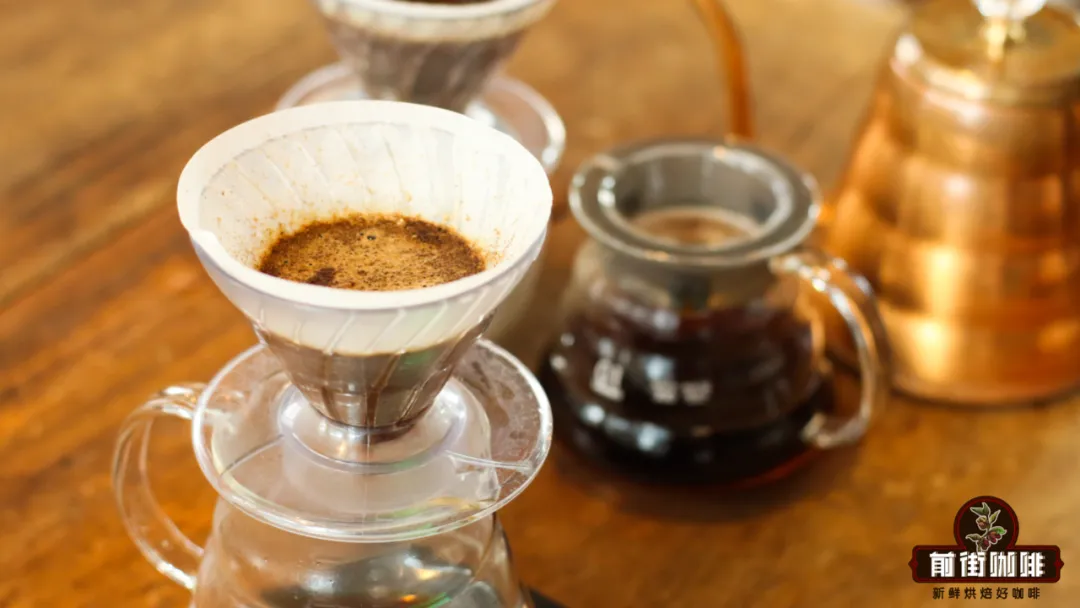
So why is the conventional recommendation to use twice the coffee dose in water for blooming? This relates to the absorption characteristics of coffee grounds. Dry coffee can absorb roughly twice its weight in water, a volume just sufficient to wet all the grounds’ surfaces, initiate degassing, and avoid compromising later extraction stages with excess moisture.
Of course, this doesn’t mean four times the water is entirely out of the question. If you find that twice the dose doesn’t uniformly wet the grounds, increasing the bloom water slightly is a reasonable adjustment—but you’ll need to be more careful with subsequent pour distribution and flow control to avoid under-extraction.
It’s worth noting that in certain advanced brewing techniques, such as the “stirring method,” we accelerate CO₂ release through agitation during the bloom, often requiring more water to aid the process. In practice, some professional baristas opt to bloom with four or even more times the coffee dose in specific methods.
In summary, there’s no absolute standard for bloom water volume in pour over—it depends on your brewing approach and desired extraction outcome. For most users,twice the coffee dose in water is a safe and efficient choice, effectively wetting the grounds, promoting degassing, and leaving ample water and time for subsequent extraction. But if you’re using special techniques or notice uneven pre-wetting, feel free to adjust the volume flexibly to find the best flavor balance for your taste.
The above content is compiled by CoffeeHunters, a coffee news website.


