







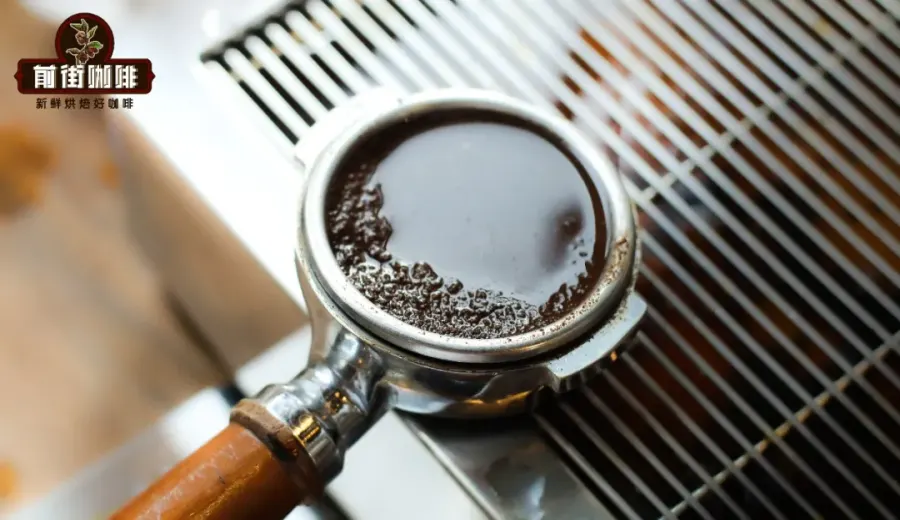
Introduction:Do you often find that after brewing espresso, there is residual water pooling in the portafilter basket, with the coffee puck appearing soggy and losing its shape? This issue is actually closely related to factors such as coffee dose, grind size, and even the stability of your machine’s pressure. This article will take an in-depth look at the common causes of portafilter water retention—including insufficient coffee dose, improper grind setting, and unstable machine pressure—to help you identify the root of the problem, optimize extraction parameters, and improve the overall quality of your coffee.
When making espresso, many coffee enthusiasts frequently encounter a frustrating issue: after extraction, a significant amount of water remains pooled in the portafilter basket, and the coffee puck appears wet and fails to maintain a solid, compact shape. While this phenomenon is not uncommon, it is often indicative of several key factors related to extraction parameters and machine condition.
Generally speaking, when a coffee machine is functioning properly and all parameters are set correctly, the portafilter basket should be relatively dry after extraction, and the coffee puck should appear firm and intact. However, if water pooling frequently occurs, it may suggest issues with your coffee dose, grind size, or machine pressure. Understanding these factors can not only help you improve the condition of the coffee puck but also enhance extraction efficiency and flavor performance.
Common Cause 1: Insufficient Coffee Dose
Each type of portafilter basket has a recommended coffee dose range, which is determined based on the basket’s design and the expected extraction pressure. When the amount of coffee you dose is significantly lower than the recommended value, a larger gap forms between the coffee puck and the group head. At the start of extraction, the machine first injects hot water to fill this space before gradually building up pressure. This process leads to a longer overall extraction time and increased water usage.
By the end of extraction, during the depressurization phase, the excessive amount of residual water in the basket may not be fully reabsorbed by the machine’s vacuum system, ultimately resulting in water pooling.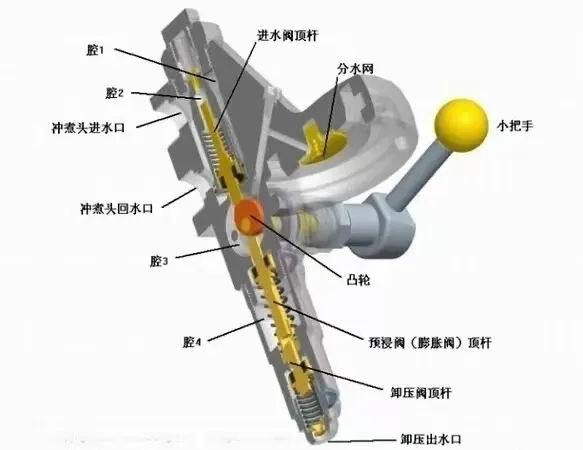
However, if the flavor of the coffee is not noticeably affected, this situation may not warrant excessive concern. The key is to observe the taste profile of the coffee rather than focusing solely on whether there is water in the basket. If you notice flavor deviations—such as under-extracted or weak-tasting coffee—you might consider slightly increasing the dose or making minor adjustments to the grind size to improve overall extraction.
Common Cause 2: Improper Grind Size
Another common cause of water pooling in the portafilter basket is incorrect grind size settings. Whether the coffee is ground too coarse or too fine, it can affect the structure of the coffee puck and the speed of water flow during extraction.
If the coffee is ground too coarse, the overall resistance of the puck is reduced, making it difficult for the machine to build sufficient extraction pressure. In this case, even if extraction completes successfully, the vacuum effect during depressurization may not be strong enough to fully draw back the remaining water in the basket, leading to pooling.
Conversely, if the grind is too fine, although the puck builds better resistance, the speed at which water passes through the coffee bed slows down. This can result in some water remaining trapped in the coffee layer by the end of extraction, causing the puck to retain higher moisture content. Once the moisture level exceeds a certain threshold, the puck becomes noticeably wet, and water pooling is clearly visible when removing the portafilter.
It’s worth noting that while both scenarios can lead to water pooling, they do not necessarily directly impact the taste of the coffee. If extraction parameters are correct, even a slightly moist puck may still yield good flavor. However, if you notice the coffee tasting overly sour, astringent, or bitter, it’s time to revisit the combination of grind size and dose, and make appropriate adjustments.
Common Cause 3: Unstable Machine Pressure
Beyond operational parameters, the condition of the espresso machine itself is another critical factor affecting water pooling in the portafilter. If the machine’s pressure output is unstable or fails to reach the standard extraction pressure (typically 9 bar), it can lead to poor puck formation and subsequently affect the vacuum reabsorption effect during depressurization.
Pressure instability may stem from various causes, including inadequate machine preheating, aging internal components, system malfunctions, or suboptimal pressure control design inherent to the machine model. If you suspect a machine-related issue, check whether the machine has been sufficiently preheated or observe whether the pressure gauge readings remain stable within a reasonable range during extraction.
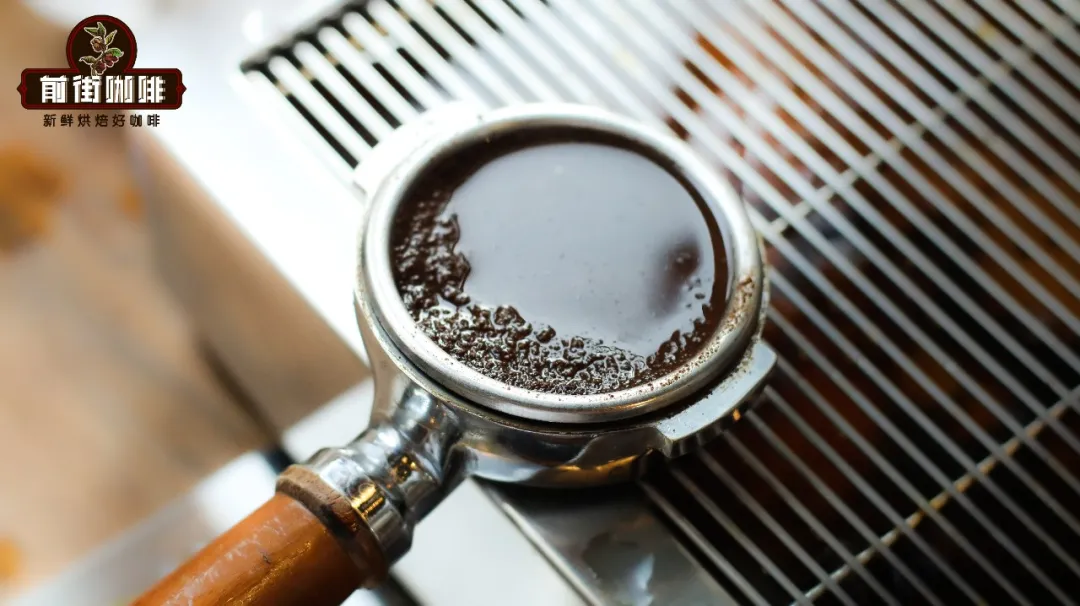
In summary, water pooling in the portafilter is not necessarily a direct sign of poor coffee flavor. More often, it reflects the compatibility between extraction parameters and machine condition. When facing water pooling issues, it is advisable to start with fundamental parameters such as dose, grind size, and machine pressure, and systematically troubleshoot potential problems—not by focusing solely on the presence of water. By optimizing these variables, you can not only reduce water pooling but also significantly enhance the overall extraction quality and flavor performance of your espresso.
The above content is compiled by CoffeeHunters, a coffee news website.


