








Introduction:Have you ever come across wine-related terms like "red wine" or "whisky" in coffee flavor descriptions? These aromas actually come from the coffee’s own aromatic compounds, not from added alcohol. This article delves into the origins of coffee’s wine-like notes, exploring how processing methods, roast levels, and brewing techniques influence their expression. It also explains how cold brew, ice drip, and cold steeping naturally bring out fruity, wine-like flavors. By the end, you’ll better appreciate the complex layers in your cup.
In coffee flavor profiles, terms such as "red wine," "champagne," and "whisky" frequently appear, leading many consumers to wonder: Does coffee contain alcohol? Is it safe to drive after drinking? In reality, these wine-evoking aromas stem from the coffee’s natural aromatic molecules, not from any added alcohol. This article will systematically break down the sources of coffee’s wine-like notes, analyzing how factors like processing methods, roast levels, and brewing techniques shape these characteristics. It also highlights why cold brew, ice drip, and cold steeping can naturally showcase the captivating flavors of fruit wines.
"Red wine," "champagne," "whisky"... These alcoholic beverage terms often show up in coffee flavor descriptions, prompting many to immediately ask: Does this coffee contain alcohol? Is it safe to drive after drinking? Once assured that the coffee is alcohol-free and safe to consume, most people then wonder: "So why does it taste like wine?" That’s the core question this article aims to answer.

The various flavors in coffee—including wine-like notes—primarily come from the aromatic molecules released by the coffee. For example, when we perceive strawberry or citrus notes in coffee, it’s because the coffee contains aromatic molecules similar to those found in those fruits, which may not be identical but are close enough to trigger our associations. Similarly, floral and wine-like aromas such as jasmine, chamomile, red wine, and whisky are perceived in coffee because corresponding aromatic compounds exist within it, allowing us to detect these complex scents.
The allure of coffee lies in how different origins and processing methods can produce vastly distinct aroma profiles. Some coffees excel in bright floral notes, others in pronounced fruitiness, and some in captivating wine-like aromas. Numerous factors contribute to these differences, including variety, origin, processing method, roast level, and even the final brewing technique—in short, the entire journey from seed to cup.
Among the many influencing factors, the coffee’s processing method has the most significant impact on the expression of wine-like notes. Whether using washed, natural, or anaerobic processing, coffee beans go through a fermentation stage during processing. During this phase, the coffee produces lipid and alcohol compounds similar to those found in wine. The deeper the fermentation, the more likely the coffee is to exhibit pronounced and rich wine-like aromas.

For seasoned coffee enthusiasts, it’s not hard to notice that compared to washed processing, natural and anaerobic processed coffees are more likely to display wine-like traits. This is because these two methods typically involve longer fermentation times and greater fermentation intensity, allowing the coffee beans to accumulate more aromatic molecules associated with wine. For instance, certain natural or anaerobic processed coffees—such as those from the Hamashu, Blackberry, or Sidamo regions—are often described as having distinct fruity-wine aromas.
However, not all natural or anaerobic processed coffees necessarily have wine-like notes. This is because variations in processing techniques across different origins, the specific coffee varieties used, and even microclimatic differences in growing environments can all affect the resulting aroma profiles and their intensity. This explains why some natural-processed coffees exhibit prominent wine notes, while others are more subtle.
Besides processing methods, roast level also influences the expression of wine-like notes, though its effect is more about the tone of the wine aroma. For example, light roasts and medium-dark roasts: light-roasted coffee often presents a fresh, champagne-like light wine aroma, whereas slightly darker roasts may showcase a richer, more wine-like depth. By adjusting the roast profile, roasters can enhance or soften the wine-like qualities in coffee, aligning them with specific desired flavor profiles.
Notably, even coffee beans that don’t inherently possess strong wine-like characteristics can still develop intriguing wine aromas through specific brewing methods. Among these, cold brew coffee is the most representative example.
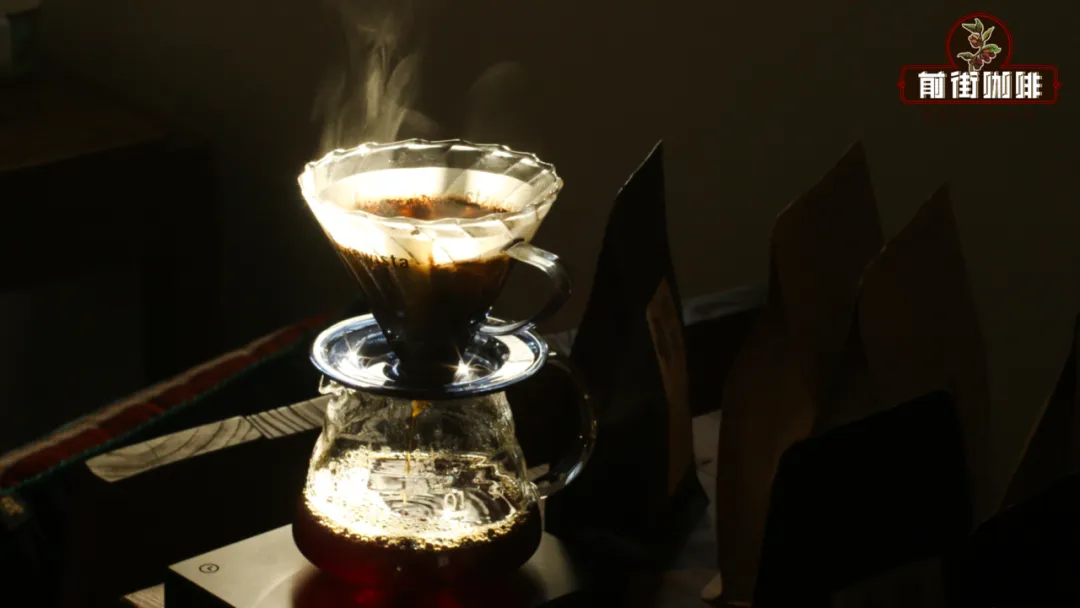
Cold drip, cold steeping, and other methods that use cold water for extended extraction are collectively referred to as cold brew coffee. Many who have tried it will notice that such coffees often carry intense wine-like aromas. However, this wine note doesn’t entirely come from the coffee beans themselves but rather forms gradually during a special stage of the process—the cold storage and resting period.
In the production of cold brew coffee, the extracted coffee liquid is not recommended for immediate consumption right after the initial brewing. This is because the coffee’s flavors haven’t fully developed at that stage. Only after a period of cold storage and resting do the aromas and tastes fully integrate and transform—including the formation of wine-like notes. In other words, the refinement of cold brew coffee’s flavor largely depends on this fermentation-like process, which is also why cold steeped and ice drip coffees require a resting period after brewing to achieve their optimal flavor.
In summary, the wine-like notes in coffee primarily stem from natural fermentation during processing, the influence of roast levels, and subsequent fermentation induced by specific brewing methods (like cold brew). However, readers should note that the wine aromas discussed here refer exclusively to pure black coffee without any added flavorings. If wine-like notes appear in specialty coffee drinks, it’s very likely that actual alcoholic ingredients have been added—always double-check before drinking to avoid any risk of driving under the influence.
The above content is compiled by CoffeeHunters, a coffee news website.


