








Introduction:Blended coffee is not just about mixing different beans together, but rather a combination of science and experience to create a coffee experience with harmonious flavors and rich layers. This article delves into the core logic of blending—from purpose-driven bean selection strategies, matching roast levels, to the practical differences between pour over and espresso blends—and provides two tested blend recipes along with extraction parameter suggestions to help you easily craft your own signature coffee.
The charm of blended coffee lies in the ability to stimulate complex flavors that single-origin beans alone cannot achieve through the clever combination of different beans. However, this technique is not as simple as randomly mixing a few types of beans. A successful blend requires starting with a clear goal, carefully selecting base beans and proportions, and ensuring roast levels are well-matched to achieve a final result that is both flavor-coordinated and layered.

Many coffee enthusiasts may already have realized that this is precisely the essence of blending—creating a taste experience distinct from single-origin beans by combining two or more types of coffee beans. In the past, blending techniques were mostly applied to espresso, primarily to ensure consistency in the final product. But in recent years, more and more pour over and cold brew enthusiasts have also begun experimenting with blends to pursue more distinctive flavor expressions.
The value of blending goes far beyond maintaining quality consistency. As many baristas emphasize, it can bring entirely new sensory experiences—whether it's unique fruitiness, delicate floral notes, or a well-balanced “six-sided warrior” profile—all achievable through clever blending, creating a 1+1>2 surprise effect.
However, achieving a successful blend is not easy. Randomly mixing different beans not only makes it difficult to achieve the desired flavor, but may even result in an overall performance worse than that of a single origin bean. Therefore, we need to carefully select base beans and proportions based on the target flavor, avoiding the disruption of the original coffee characteristics due to haphazard combinations.
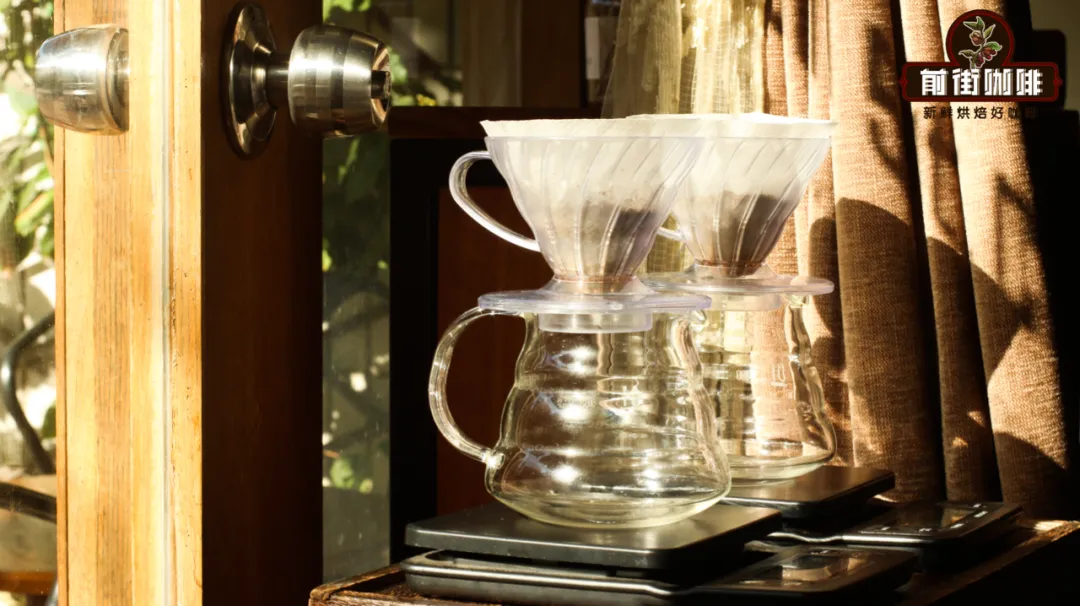
Next, we will delve into the practical strategies of blended coffee, including how to adjust bean selection based on different brewing methods, the key impact of roast levels, as well as practical blend recipes and parameter suggestions to help you create your own unique coffee flavor.
First, defining the purpose of the blend is the key first step. For most coffee enthusiasts purchasing roasted beans, there’s no need to consider the complex process of green bean blending, but rather focus on “what kind of coffee experience you want to achieve.” Based on this goal, selecting a suitable combination from existing beans can not only control costs but also quickly realize the desired flavor.
If the goal is pour over or cold brew, it can generally be divided into two main directions: creating a distinctly unique new flavor, or crafting a balanced bean with both flavor and mouthfeel. The former should primarily base bean selection on flavor characteristics, while the latter needs to balance the overall acidity, sweetness, bitterness, and astringency.
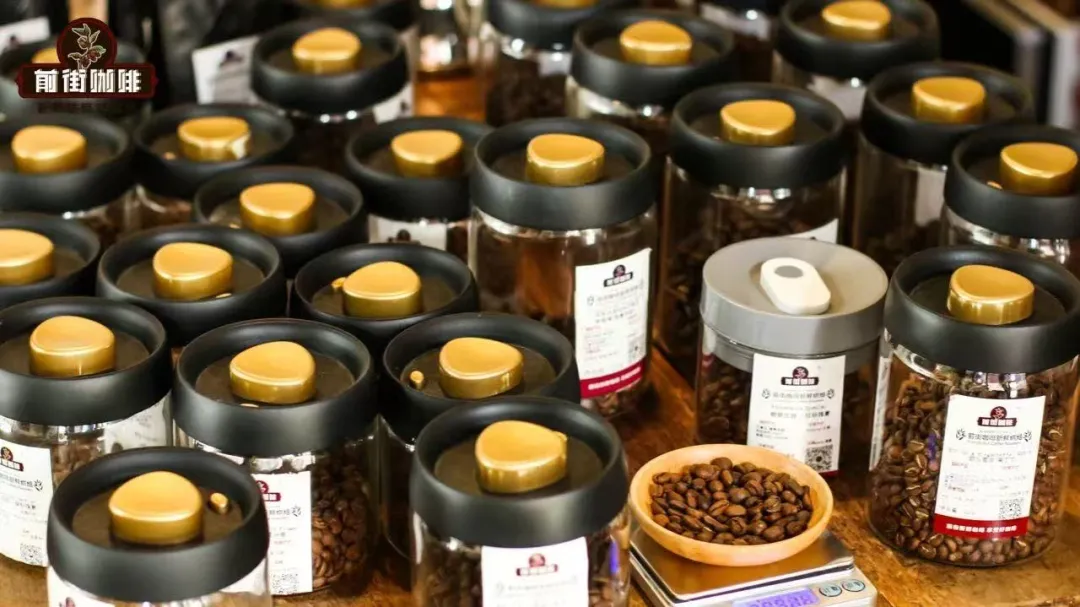
Taking practical examples, for pour over-oriented blends, a common strategy is to choose beans with complementary or enhancing effects. For instance, to enhance fruity and floral notes, one might pair beans with distinct berry tones and jasmine aromas. By adjusting the proportions reasonably, specific flavor characteristics can be amplified, creating a more distinctive coffee experience.
On the other hand, espresso blends place more emphasis on overall mouthfeel stability and richness. An ideal espresso blend should strike a balance between acidity, sweetness, and bitterness, while also having sufficient body and crema performance. This usually requires selecting beans with a darker roast level or using blending techniques to adjust the overall flavor direction.

Matching roast levels is an important foundation for successful blending. Beans with different roast levels exhibit significant differences in the rate at which flavor compounds are released. Darker roasted beans, due to their looser structure, release flavor compounds more quickly. When mixed with lighter roasted beans, uneven extraction can easily occur under the same brewing conditions.
Specifically, when the difference between light and dark roasts is too large, issues such as over-extraction of dark roasted beans (excessive flavor release leading to bitterness and astringency) and under-extraction of light roasted beans (flavors not fully expressed) may arise. Therefore, it is recommended to blend beans with similar roast levels to help maintain stable extraction performance.
In addition, adjusting the blend ratio is also a key technique. If you wish to highlight a particular flavor, you can moderately increase the proportion of beans with that characteristic. For example, if you want to enhance floral notes, you can raise the proportion of beans with pronounced floral characteristics; if you prefer fruity notes, you can adjust the corresponding ratio accordingly.

In practice, it is recommended to adjust extraction parameters based on the average roast level of the blend. If the blend consists entirely of light roasted beans, a high-temperature, short-duration extraction method can be used; if it includes medium to dark roasted beans, the extraction time may need to be appropriately extended, and grind size adjusted to balance the flavor expression.
Finally, here are two tested and effective blend recipes for coffee enthusiasts to reference and try out: one is Colombian Gesha paired with Ethiopian Huila, with a suggested ratio of 4:6; the other is Panamanian Boquete Geisha, Ethiopian Yirgacheffe Aloysie, and Colombian Maragogype, in a ratio of 3:5:2. These combinations, tested in practice, deliver rich flavor layers and good extraction stability.

The above content is compiled by CoffeeHunters, a coffee news website.


