








Introduction:The Piccolo Latte is often mistaken for a small cup of latte, but it actually differs significantly in milk ratio, espresso dosage, and extraction methods. This article delves into the distinctions between a piccolo and a latte, covering everything from their origins and cup size design to how to prepare them at home or in a café, along with practical espresso extraction parameters and milk steaming techniques to help you better grasp the essence of this "mini latte."
Though the Piccolo Latte and latte may seem similar, they differ greatly in details, especially in the proportions of milk and espresso used. Many people wonder why the Piccolo Latte is called a "small latte." In fact, this name originates from the Italian word "Piccolo," meaning "small," combined with "Latte" (milk), which literally translates to "small cup of milk coffee." Not only that, but it usually has only half the volume of a latte and is more commonly found in Australian cafés as a tool drink for dialing in beans.

Talking about the origin of the Piccolo Latte, it was not originally designed for formal service but was created by Australian baristas when testing new beans or adjusting espresso recipes to reduce material waste. A traditional latte is about 200 to 300 milliliters, which often results in too much leftover liquid in scenarios requiring frequent tasting. Therefore, some baristas came up with the idea of using a single shot of espresso as the base, paired with a proportionally reduced amount of milk, creating this mini version of a latte—what later became known as the Piccolo Latte.
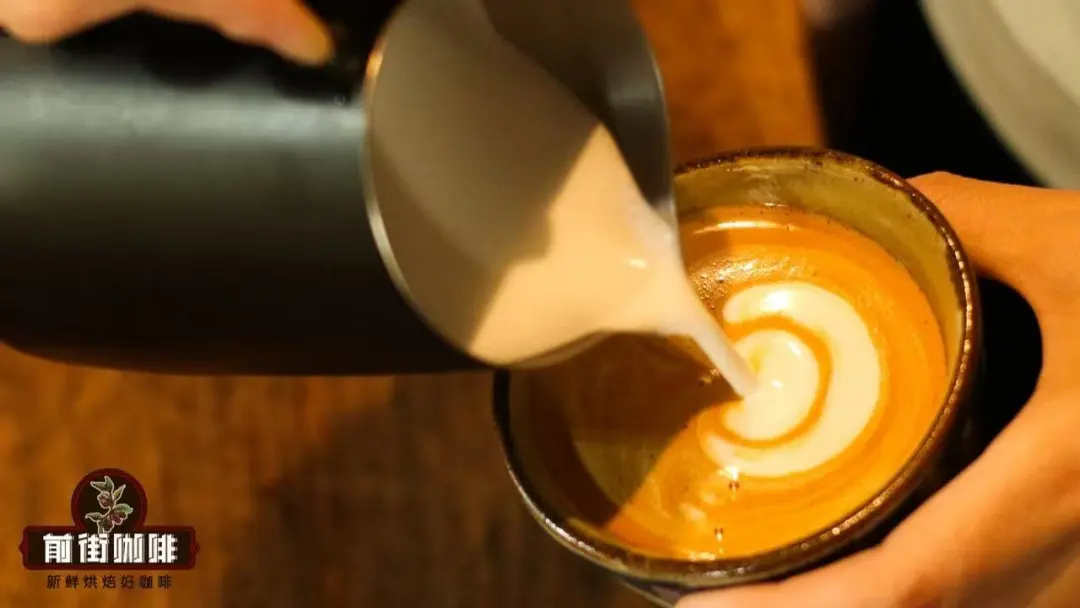
This small-sized milk coffee, being light on the stomach, low in cost, and affordably priced locally in Australia, gradually gained popularity. To distinguish it from a regular latte, it was named "Piccolo Latte"—a straightforward and fitting term. Although it’s often jokingly referred to as a "small latte" in the Chinese-speaking world, it actually has its own unique character in extraction method, milk foam thickness, and overall flavor presentation.

It’s worth noting that in many cafés domestically, the Piccolo Latte is not commonly found on the menu. The main reason is that most cafés use a double shot of espresso (Doppio) as the standard offering, extracting about 36 milliliters of espresso using 18 grams of coffee grounds at a 1:2 coffee-to-water ratio. Since a single shot of espresso (Solo) typically uses only one portafilter basket, many cafés are concerned about channeling effects that could impact extraction stability, and thus are reluctant to spend extra time extracting a single piccolo.
Additionally, if a double shot is extracted using a double basket, the unused half may also face waste if not used immediately. Therefore, unless specifically requested by a customer, the Piccolo Latte is rarely offered alone in domestic cafés. However, if you want to try making one at home or in your shop, you can simply split a double shot of espresso in half to easily recreate an authentic piccolo.

If you want to make a delicious Piccolo Latte at home or in your shop, it’s recommended to follow a stable double shot espresso extraction method and then split it evenly. Taking a common classic espresso blend as an example, use 18 grams of coffee grounds, extract 36 milliliters of espresso at a 1:2 coffee-to-water ratio, with an extraction time of around 30 seconds, to achieve a base with rich crema and balanced flavors. Then, divide the 36 milliliters of espresso evenly into two parts, each 18 milliliters, and add approximately 90 milliliters of hot milk to each (a ratio of about 1:5). If you want to add visual and textural layers, you can also prepare a small amount of milk foam for simple latte art.
In terms of actual flavor profile, the Piccolo Latte, due to its relatively lower milk ratio, offers a more concentrated overall taste with a noticeable sweetness, featuring notes of chocolate, caramel, and nuts. It’s similar to a regular latte but feels even more refreshing. The addition of milk softens the intense bitterness of the espresso without completely masking the coffee’s layered complexity, making it highly suitable for those who enjoy milk coffee but want to try a more refined version.

In summary, the main differences between a Piccolo Latte and a latte lie in cup size, espresso quantity, and milk ratio. The Piccolo typically uses a single shot or a split double shot of espresso, paired with about 90 to 100 milliliters of hot milk, resulting in an overall volume of around 150 milliliters. It’s a mini milk coffee specifically designed to highlight the harmony between espresso and milk. Whether you’re a barista, an amateur enthusiast, or someone looking to challenge professional-level flavors at home, mastering these basic parameters and techniques will give you more confidence in recreating the unique charm of this "small latte."
The above content is compiled by CoffeeHunters, a coffee news website.


